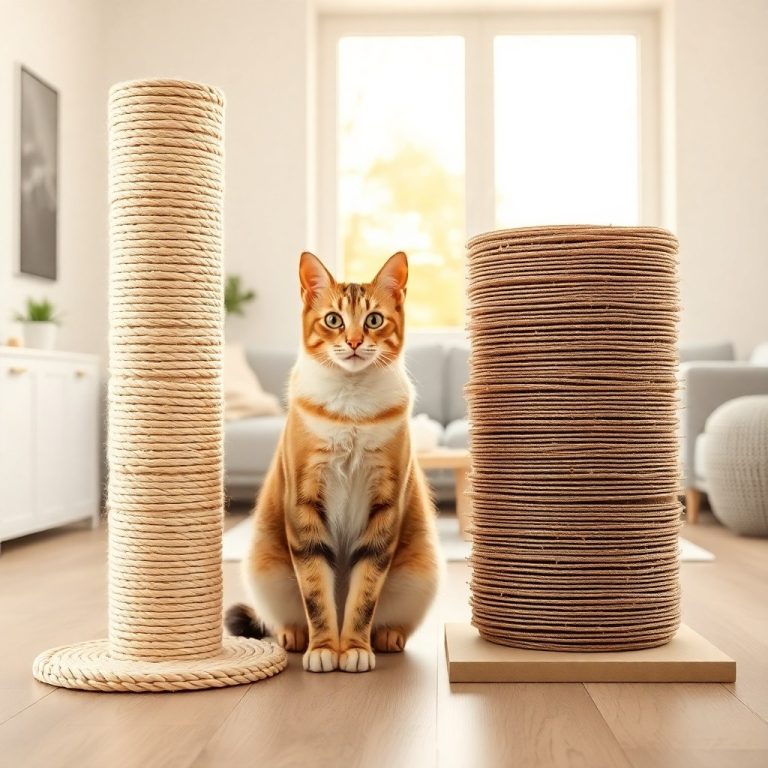

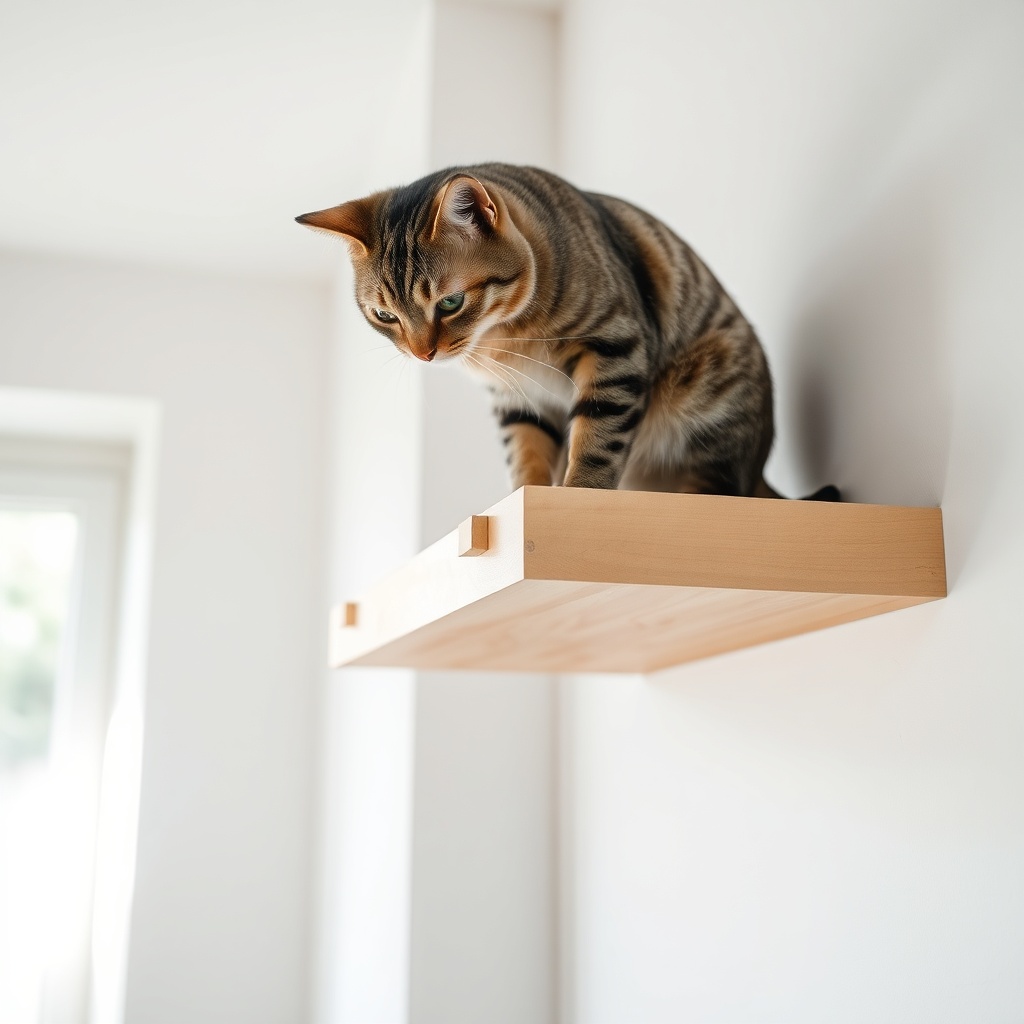
Cats spend a large chunk of their day seeking out the highest vantage point in the room, whether it is the top of the refrigerator, the back of the sofa, or the highest shelf in the bookcase. Giving a cat access to vertical territory is not just about keeping them out of trouble; it is a fundamental part of satisfying their hardwired instincts for safety, observation, and territory management.
Cats love sleeping on high places because of evolutionary instincts that provide them with a superior vantage point to spot prey, monitor potential environmental threats, keep warm, and establish social hierarchy. This vertical preference is a deeply hardwired survival mechanism inherited from their wild ancestors.
The Evolutionary Drive: Why Heights Mean Safety
To understand why a domestic cat climbs to the top of the refrigerator or a tall bookshelf, it is necessary to look at their ancestral origins. The wild ancestors of modern cats, such as the African wildcat, were small predators that occupied a unique middle spot in the food chain. They hunted small rodents and birds, but were also hunted by larger carnivores.
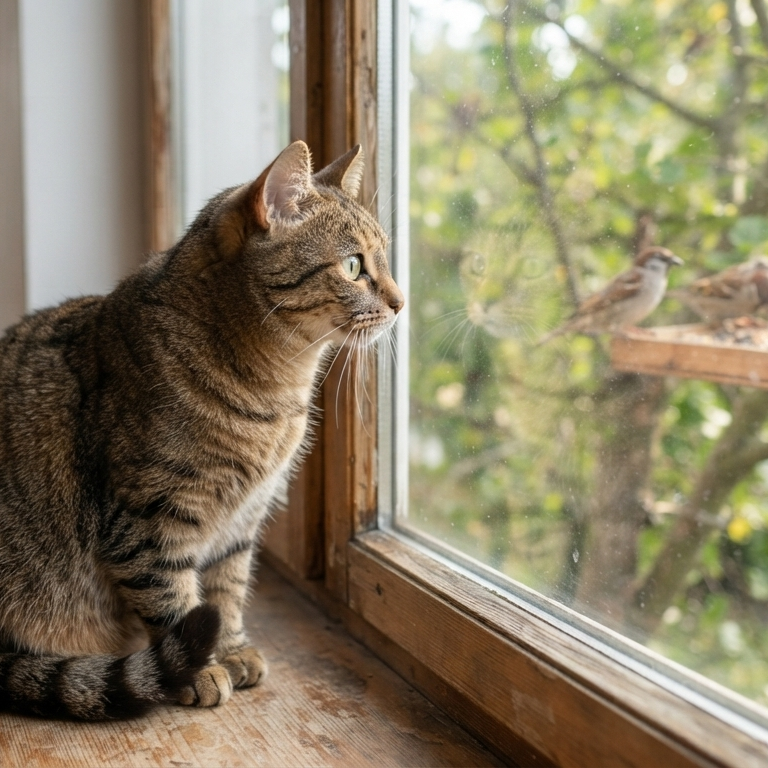
High perches solved both ecological problems simultaneously. From an elevated position, a cat can survey the surrounding area for potential prey while remaining completely out of reach of ground-dwelling predators. When your cat sleeps on top of a tall cabinet, they are satisfying a primal need to rest in a location where they cannot be easily ambushed.
Thermal Comfort and the Physics of Heat Rising
Beyond security and hunting, feline physics plays a major role in perch selection. Warm air naturally rises, making the upper half of a room noticeably warmer than the floor. Cats have a high basal metabolic rate and a natural body temperature ranging between 101.0 and 102.5 degrees Fahrenheit.
Maintaining this high body temperature requires energy. By sleeping in elevated microclimates, cats minimize the energy required to stay warm during periods of rest. A high shelf, particularly one near a sunny window or a heating vent, acts as a perfect natural incubator.
The Social Hierarchy of the Vertical World
In multi-cat households, vertical space serves as an important social organizer. Cats use height to communicate status and resolve conflicts without physical confrontation. A dominant or highly confident cat will often claim the highest physical spot in a room, sending a clear visual signal to other pets.
Conversely, an anxious or timid cat may use high perches to escape conflict. Up high, they can observe social dynamics safely without being forced to interact, effectively reducing household tension and preventing territorial spraying or scratching.
Step-by-Step Action Plan: How to Create Safe Vertical Spaces
Satisfying your cat’s vertical instinct requires more than just letting them climb kitchen counters. Implementing structured, safe high spaces can transform feline behavior. Follow these steps to optimize your home:
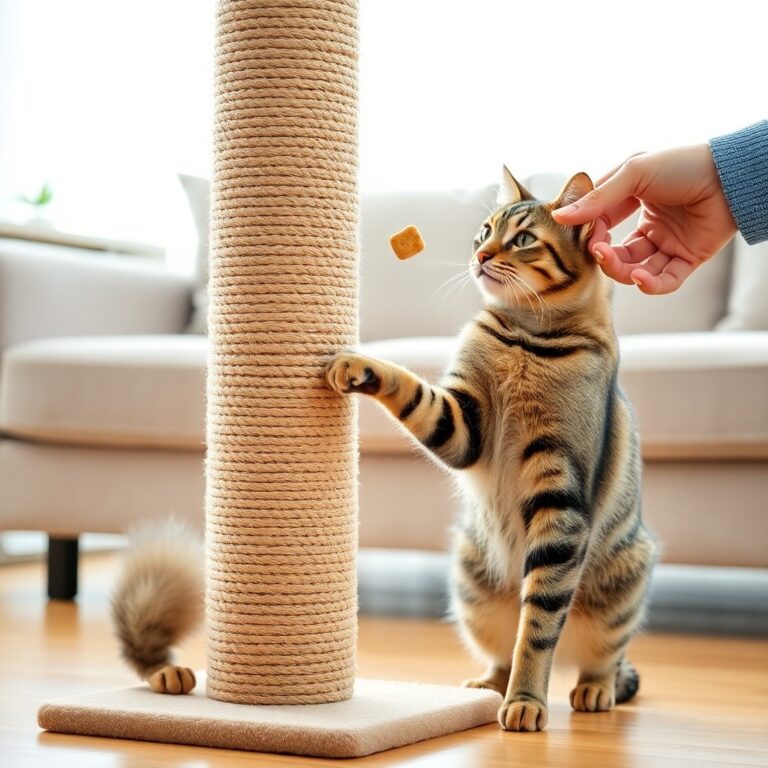
- Step 1: Evaluate Stability. Ensure any cat tree or climbing structure has a wide, heavy base. Cats will not use structures that wobble, as unstable surfaces trigger their falling reflexes.
- Step 2: Install Dedicated Cat Shelves. Use sturdy, wall-mounted floating shelves covered in high-traction material like carpet or sisal. Place them in a stepped pattern so older or less agile cats can ascend safely.
- Step 3: Clear Safe Launching Zones. Keep areas near bookshelves and cabinets free of fragile items. Cats need clear landing and launching zones to prevent slips and accidental falls.
- Step 4: Create Escape Routes. In multi-cat homes, always ensure a high perch has at least two exit paths. A single-entry high spot can easily become a trap if another cat blocks the exit.
Common Mistakes Owners Make with Cat Perches
- Using slippery materials: Smooth wood or laminate shelves offer no grip, making slips highly likely during active play or quick jumps.
- Placing perches in high-traffic zones: Cats climb high to find peace. Locating a cat tree right next to a noisy television or a busy hallway entryway defeats the purpose of a quiet sanctuary.
- Ignoring vertical accessibility for seniors: Older cats with arthritis still want to climb but struggle with steep jumps. Failing to provide ramps or intermediate steps isolates aging pets on the floor.
Frequently Asked Questions
Is it normal for senior cats to stop climbing high?
Yes. If an older cat suddenly stops climbing, it often indicates joint pain, arthritis, or muscle weakness. You can assist them by placing ramp steps or footstools near their favorite elevated spots to reduce the impact on their joints.
Should I worry if my cat refuses to sleep on high places?
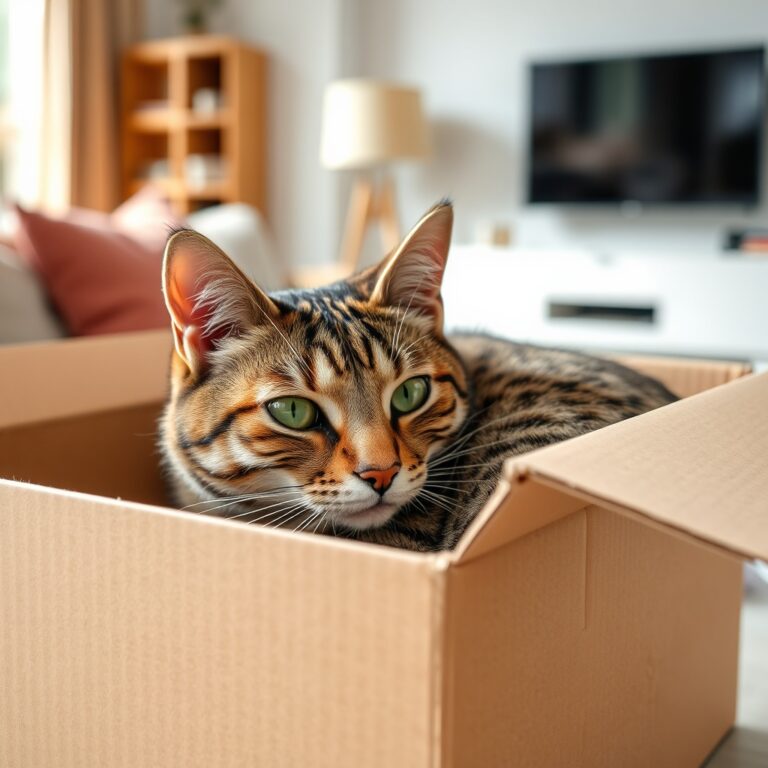
Not necessarily. While the instinct is common, individual preferences vary. Some cats are ‘bush dwellers’ who prefer low, covered hiding spots like boxes or under-bed caves, while others are ‘tree dwellers’ who seek heights. Ensure both options are available in your home.