
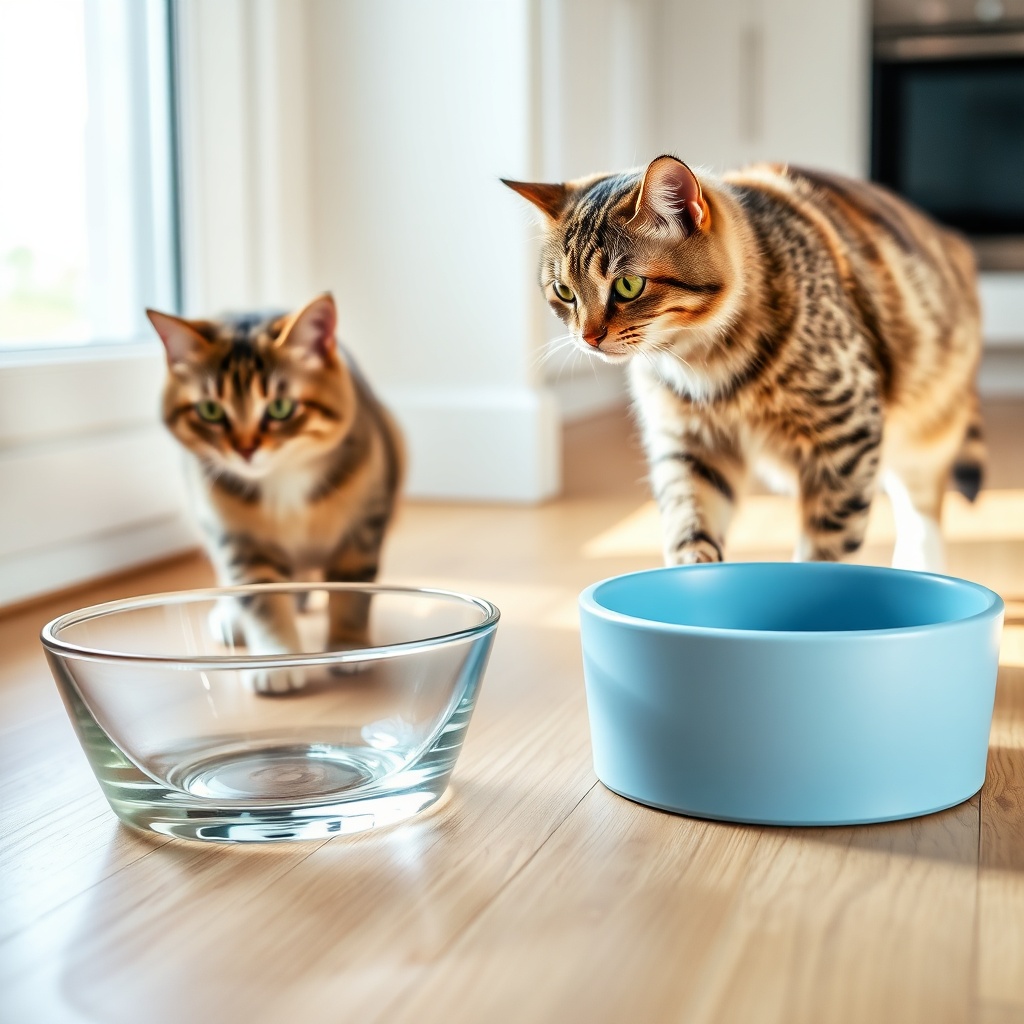
If your cat has been developing mysterious chin acne or suddenly refusing to touch their meals, the culprit might be sitting right in their food dish. While pet stores are packed with colorful plastic bowls, veterinarians are increasingly pointing to glass as the superior choice for your cat’s health, hygiene, and daily comfort.
Yes, glass bowls are significantly better for cats than plastic bowls. Unlike plastic, glass is non-porous, scratch-resistant, and does not harbor bacteria, which directly prevents painful feline chin acne and contact dermatitis.
Why Bowl Material Matters for Your Cat
To a human, a bowl is just a vessel. To a cat, a food or water dish is a highly interactive object that they press their face against multiple times a day. Cats possess incredibly sensitive skin on their chins and highly sensitive scent glands. The material you choose affects not only how easy the bowl is to clean, but also how much bacteria, food residue, and chemical toxins come into direct contact with your cat’s sensitive muzzle.
Glass vs. Plastic Cat Bowls: Key Differences Compared
Understanding how these two common materials stack up against each other can prevent unnecessary vet visits. The table below highlights the critical performance metrics of both materials.
| Feature | Glass Bowls | Plastic Bowls |
|---|---|---|
| Porosity | Completely non-porous | Highly porous |
| Scratch Resistance | Very high (resists sponge and claw wear) | Extremely low (scratches easily) |
| Bacteria Accumulation | Minimal (easily sanitized) | Very high (trapped in micro-scratches) |
| Dishwasher Safe | Yes (high temperature tolerant) | Variable (may warp or leach chemicals) |
| Chemical Leaching | None (inert material) | Risk of BPA, phthalates, and plasticizers |
| Durability (Drop Test) | Fragile (can shatter or chip) | Unbreakable (bounces) |
The Deep Dive: Why Glass Bowls Win
1. Complete Bacterial Resistance
Plastic is soft. Even if you use a soft sponge to wash a plastic bowl, normal wear and tear from dry kibble, metal spoons, or your cat’s claws creates tiny, microscopic scratches. These microscopic grooves become breeding grounds for bacteria, organic matter, and old fats. Glass, by contrast, is an incredibly hard, crystalline surface that resists scratches, ensuring that simple washing actually sterilizes the entire surface.
2. Elimination of Feline Acne
If you have ever noticed black, dirt-like specks on your cat’s chin, you are likely looking at feline acne. This condition occurs when hair follicles become clogged with excess keratin, sebum, and—crucially—bacteria from dirty bowls. Because plastic dishes harbor bacteria that cannot be completely washed away, cats rubbing their chins on plastic bowls suffer from high rates of chronic skin irritation. Switching to glass often resolves this frustrating skin issue within a matter of weeks.
3. Neutral Scent and Taste Profile
Plastic absorbs odors. If you feed your cat smelly wet food, the plastic container will retain those oils and smells long after the food is gone. Cats have a sense of smell that is roughly fourteen times stronger than ours. When they approach a plastic bowl holding fresh food, they may smell stale, oxidized fats from last week’s meals. This can lead to unexplained food aversion. Glass does not retain food odors or soapy residue, providing a clean palette for every meal.
The Drawbacks of Glass Bowls
While glass is superior from a health and hygiene standpoint, it is not without practical challenges. The most obvious downside is fragility. If you drop a glass bowl on a tile kitchen floor, it will shatter. Active cats that enjoy sliding their bowls around the floor could potentially chip the rim of a cheap glass dish, creating a sharp hazard. To mitigate this risk, look for heavy, tempered glass bowls or secure them in a non-slip silicone base.
Why You Should Retire Your Plastic Cat Bowls
Over time, plastic degrades. Exposure to UV light, hot water, and dish detergents breaks down the polymer chains of plastic bowls, causing them to release chemical compounds. Many budget-grade plastic bowls contain bisphenol A (BPA) or other plasticizers that can mimic hormones in animals. Furthermore, the light weight of plastic dishes makes them incredibly easy for cats to tip over, leading to messy spills and whisker fatigue as cats chase sliding kibble around the floor.
Tips for Safely Upgrading to Glass
- Choose Wide, Shallow Designs: Opt for shallow glass saucers rather than deep bowls. This prevents whisker fatigue, a sensory overload that occurs when a cat’s highly sensitive whiskers constantly touch the sides of a deep dish.
- Use a Non-Slip Silicone Base: Pair your glass bowl with a food-grade silicone sleeve or mat. This stops the bowl from sliding during enthusiastic eating and buffers it against accidental impacts.
- Inspect Regularly: Every time you wash the bowl, run your finger along the rim to check for tiny chips or hairline fractures. Replace any damaged glassware immediately.
- Wash Daily: Even though glass does not trap bacteria like plastic, biofilm still forms on the surface of your cat’s water and food bowls. Wash glass dishes daily with warm, soapy water or run them through the dishwasher.
Frequently Asked Questions
How often should I wash my cat’s glass bowl?
You should wash your cat’s glass food bowl after every meal for wet food, and at least once a day for dry food. Water bowls should be emptied, wiped clean, and refilled with fresh water daily to prevent slime and biofilm buildup.
Can ceramic bowls be used instead of glass?
Yes, high-quality ceramic bowls are an excellent alternative to glass, provided they use a food-grade lead-free glaze. However, if the glaze cracks or crazes, the porous ceramic underneath can harbor bacteria just like plastic.
Why does my cat push their glass bowl around?
Cats often push bowls if they are too light, too deep (causing whisker pain), or placed in a high-stress location. Utilizing a heavy glass dish with a rubberized bottom can stop this behavior and make mealtime far more comfortable.