Clay vs Tofu pellet litter—here is what veterinary behaviorists actually recommend for cats struggling with paw sensitivity, litter box avoidance, or post-surgical recovery. While traditional clay litters remain highly popular, their sharp edges and dusty, chemical-laden compositions often cause pain and irritation to delicate feline paw pads.
Biodegradable flushable tofu pellet litter is highly recommended for cats with sensitive paws because its soft, organic soy composition, non-abrasive cylinder shapes, and minimal dust levels prevent micro-abrasions, mechanical discomfort, and allergen flares.
The Sensory Impact of Litter on Feline Paws
Cats have thousands of highly sensitive nerve endings in their paw pads, scientifically known as tactile corpuscles. These pads are designed to navigate natural outdoor terrains, not the jagged, manufactured materials found in many commercial litters. When a cat steps onto sharp silica crystals or heavy, packing bentonite clay granules, these receptors register discomfort or even pain.
For cats suffering from feline plasma cell pododermatitis (a painful inflammatory condition of the paw pads), recovering from declawing surgery, or dealing with environmental allergies, the texture of their litter can determine whether they use the litter box or develop chronic litter box avoidance behavior. Felines are clean animals; if their litter box hurts to step in, they will seek softer surfaces like carpets, bedding, or laundry piles.
Evaluation of Tofu Pellet Litter for Paw Sensitivity
Texture and Shape Analysis
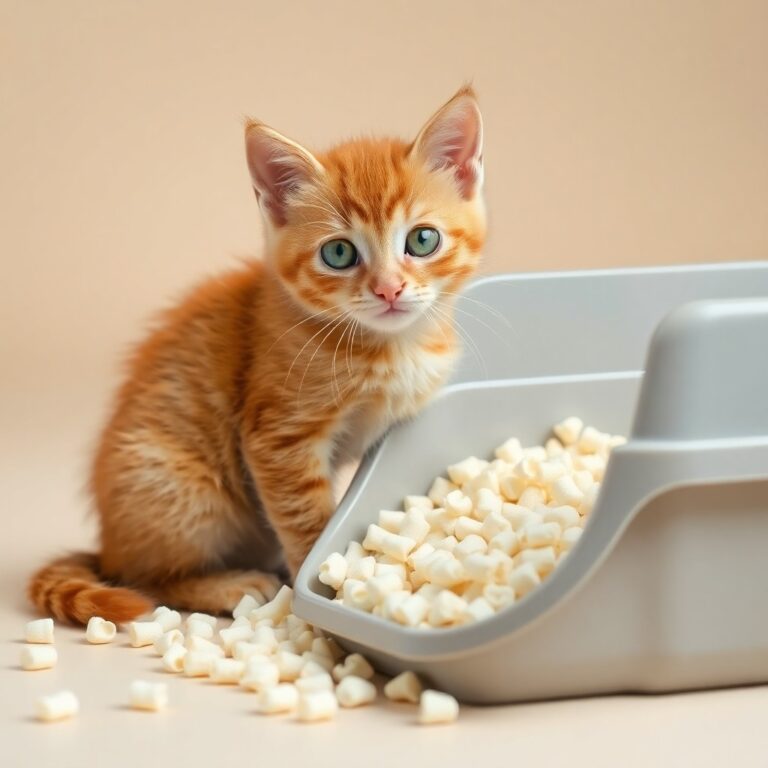
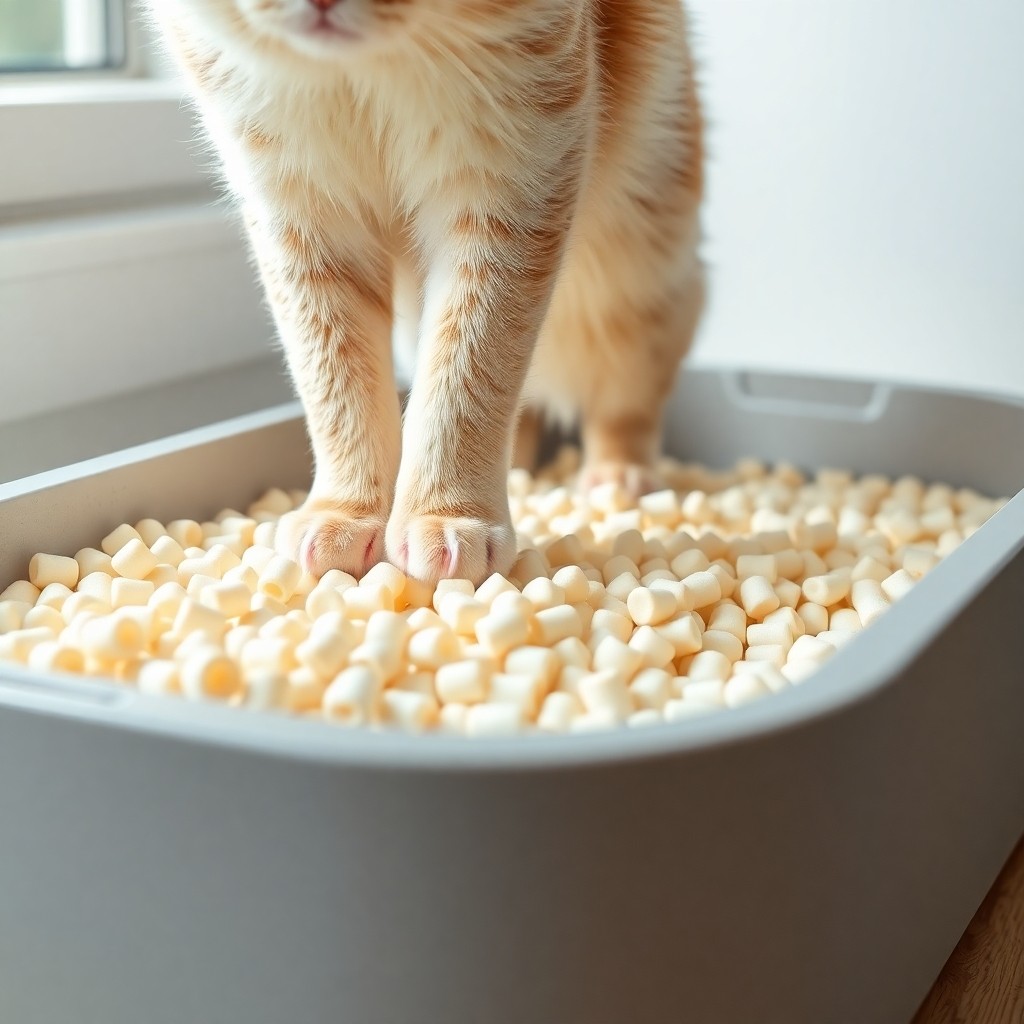
Tofu litter is made from the organic byproduct of soy milk production, known as okara. During manufacturing, this fibrous material is compressed and extruded into smooth, elongated cylinders. Unlike clay granules, which have randomized, jagged edges, tofu pellets feature a uniform, rounded surface. Under paw pressure, these pellets yield and distribute weight evenly, mimicking a soft cushion rather than a bed of gravel.
Dust and Chemical Irritation
Many traditional clay litters release fine crystalline silica dust when poured or scooped. This dust clings to wet paw pads and is later licked off during grooming, leading to chemical and mechanical irritation. Biodegradable tofu litter is inherently low-dust. Because it is free from synthetic fragrances, artificial dyes, and chemical clumping agents, it minimizes the risk of contact dermatitis on vulnerable paw skin.
Comparative Evaluation: Tofu vs. Traditional Litters
Understanding how different litter options perform across key veterinary and sensory metrics helps determine the best choice for an ailing or sensitive cat.
| Litter Type | Paw Comfort Level | Dust Level | Flushability | Primary Concern for Sensitive Cats |
|---|---|---|---|---|
| Tofu Pellets | Excellent (Soft, cylindrical) | Extremely Low | Fully Flushable | Initial acclimation to larger pellet size |
| Bentonite Clay | Poor (Sharp, heavy) | High | Non-Flushable (Clogs pipes) | Micro-cuts on paws; chemical fragrance irritation |
| Silica Gel Crystals | Very Poor (Prickly, sharp) | Moderate | Non-Flushable | Severe mechanical discomfort; chemical drying agents |
| Pine / Wood Pellets | Moderate (Hard, non-yielding) | Low to Moderate | Varies (Can clog septic) | High hardness requires strong stepping pressure |
Pros and Cons of Tofu Litter for Sensitive Cats
While tofu litter offers unparalleled sensory comfort, practical ownership requires a balanced understanding of its benefits and limitations.
- Pro: Immediate Pain Reduction. The soft, spongy nature of hydrated soy fibers provides a gentle stepping surface for cats recovering from paw injuries or surgeries.
- Pro: Safer Ingestion Profile. Sensitive cats who groom their paws excessively run the risk of digesting clumping clay. Tofu pellets are made from non-toxic, food-grade ingredients that do not swell dangerously inside the digestive tract.
- Pro: Clean Tracking. The larger pellet format means fewer particles get wedged between a cat’s toes, reducing post-exit tracking and paw-licking.
- Con: Humidity Susceptibility. Being organic, tofu litter can attract mold if kept in highly humid bathrooms without adequate ventilation.
- Con: Slower Clumping speed. While it clumps naturally via starch binders, it may not clump as instantly as sodium bentonite clay.
Environmental and Practical Considerations: Flushability
A primary benefit of tofu pellet litter is its rapid biodegradability. When submerged in water, the organic soy fibers quickly break down, dissolving the structural bonds of the clump. For pet owners, this means the litter can be flushed down the toilet in small, manageable quantities, eliminating plastic bag waste.
However, responsible flushing is key. Always allow the clumps to sit in the toilet bowl for a few minutes to soften and dissolve before flushing. If your home relies on an older septic system, or if your local municipal regulations prohibit flushing pet waste due to parasite concerns like Toxoplasma gondii, dispose of the biodegradable clumps in an organic waste bin instead.
How to Transition Your Sensitive Cat to Tofu Litter
Cats are notoriously habit-driven, and a sudden texture change can cause stress. Follow this veterinary-approved transition plan to protect your cat’s paws while avoiding litter box rejection:
- Days 1–3: Fill the bottom of the clean litter box with 75% of your cat’s current litter, and layer 25% tofu pellets on top. Do not mix them deeply yet; let your cat feel the new texture under their paws.
- Days 4–7: Gently stir the box to create a 50/50 blend. The soft tofu pellets will begin to buffer the harsh texture of the old litter.
- Days 8–11: Move to a 75% tofu and 25% old litter mixture. At this stage, your cat’s paws will enjoy the primary benefits of the softer organic material.
- Day 12 and Beyond: Clean the box completely and fill it with 100% biodegradable tofu pellet litter. Monitor your cat’s digging behavior to ensure they step comfortably without hesitation.
Frequently Asked Questions
Can tofu litter cause mold in the litter box?
Yes, because tofu litter is made of organic soy material, it can develop mold if left in a humid, unventilated bathroom for extended periods. Keep the litter box in a dry, well-ventilated area and scoop waste daily to prevent moisture buildup.
Is tofu pellet litter suitable for young kittens?
Tofu pellet litter is incredibly safe for young kittens. Kittens often investigate and ingest their litter; unlike bentonite clay, which can cause fatal internal blockages, tofu litter is organic and highly digestible in small amounts.
How often should I completely change the tofu litter in the box?
With daily scooping of solid waste and urine clumps, a complete litter box change is typically required every three to four weeks. Wash the tray thoroughly with mild, unscented soap before refilling it with fresh pellets.