
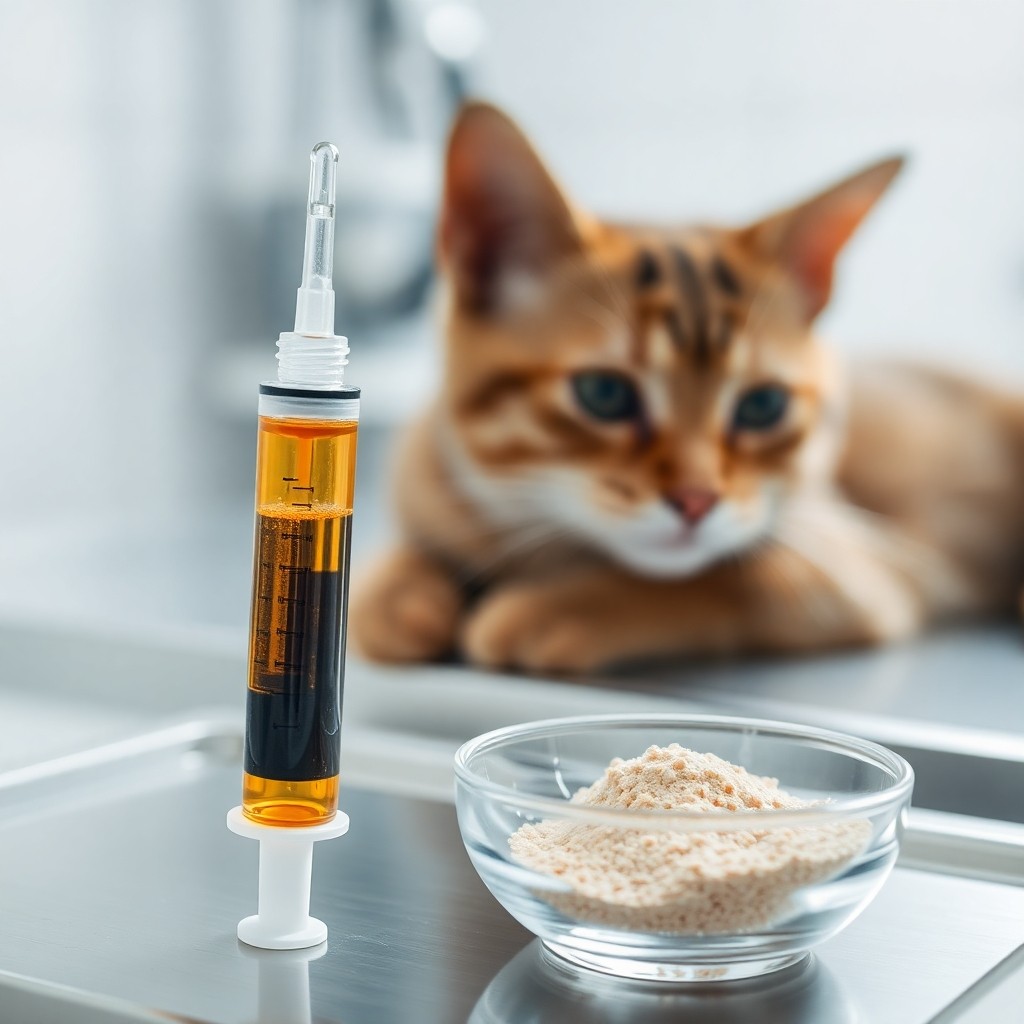
In emergency veterinary triage, we frequently encounter cats presenting with acute anorexia, unproductive retching, and firm, palpable abdominal masses. Distinguishing between a minor gastric hair agglomeration and a life-threatening intestinal blockage is critical for survival. This clinical guide breaks down the physiological differences, therapeutic mechanisms, and exact dosing protocols for using malt paste versus psyllium husk fiber in managing severe feline trichobezoars, helping you make informed decisions before irreversible impaction occurs.
Pathophysiology of Feline Trichobezoars
Cats are meticulous groomers, swallowing up to two-thirds of the hair they shed. Under normal physiological conditions, the feline gastrointestinal tract utilizes spontaneous peristalsis to sweep these keratin fibers through the stomach and small intestines, eventually expelling them in the feces. However, when gastric motility is compromised, or when a cat undergoes excessive grooming due to pain, stress, allergies, or dermatological issues, the hair accumulates.
Over time, these swallowed hairs mix with food particles, mucus, and gastric secretions, dehydrating into a dense, solid mass known as a trichobezoar. When a trichobezoar becomes too large to pass through the pyloric sphincter or becomes lodged in the ileocecal valve, it creates a partial or complete luminal obstruction. This triggers a cascade of clinical events: localized mucosal ischemia, severe dehydration, electrolyte imbalances, and potentially, bowel perforation.
Mechanism of Action: Lubricants vs. Bulk-Forming Laxatives
Choosing between malt paste and psyllium fiber requires understanding how these two substances interact with the feline digestive system and the physical structure of a hairball.
How Malt Paste Works
Malt pastes are primarily oil-based lubricants, typically containing liquid paraffin (mineral oil), petroleum jelly, malt extract, and various fats. Their primary therapeutic mechanism is coat lubrication. Once ingested, the paste does not dissolve or break down the hairball itself; instead, it coats both the gastric mucosa and the exterior surface of the trichobezoar. By reducing friction along the intestinal walls, the paste allows the dense hair mass to slide more easily through narrow luminal passages.
How Psyllium Husk Works
In contrast, psyllium husk is a soluble, bulk-forming dietary fiber derived from the seeds of the Plantago ovata plant. Upon contact with water in the stomach, psyllium absorbs liquid rapidly, expanding to form a highly viscous, slippery mucilaginous gel. This gel acts like a physical sweep, embedding itself within the loose structural matrix of the hairball. The increased volume stretches the intestinal walls, which naturally stimulates localized mechanoreceptors, triggering propulsive peristaltic waves to push the blockage forward.
Comparative Clinical Dosing Guidelines
Administering these treatments requires strict adherence to dosing limits to prevent secondary complications such as osmotic diarrhea or lipid pneumonitis. Below is a clinical dosing matrix tailored to feline body weight and the severity of the suspected obstruction.
| Cat Weight (kg) | Malt Paste Dose (Standard Case) | Malt Paste Dose (Severe Case) | Psyllium Husk Dose (Powder) | Required Water Intake (Min) |
|---|---|---|---|---|
| 2.0 – 3.5 kg | 1.0 – 1.5 cm strip daily | 2.0 cm strip twice daily | 1/8 teaspoon daily | 30 – 45 mL |
| 3.6 – 5.5 kg | 2.0 cm strip daily | 3.0 cm strip twice daily | 1/4 teaspoon daily | 50 – 60 mL |
| 5.6+ kg | 3.0 cm strip daily | 4.0 cm strip twice daily | 1/2 teaspoon daily | 75 – 90 mL |
Step-by-Step Triage and Administration Protocol
When dealing with a severe, palpable hairball obstruction, home care must be systematic and closely monitored. Follow this clinical workflow to maximize therapeutic efficacy:
- Hydration Assessment: Before administering any dry or powdered substance like psyllium, check the cat’s hydration levels. Press your finger against the gums; they should be pink and moist. If they are dry or tacky, or if the skin tent over the shoulders does not snap back instantly, the cat is dehydrated. Never administer psyllium to a dehydrated cat without concurrent subcutaneous fluid therapy, as it will draw remaining moisture from the colon, cementing the hairball further.
- Lubrication Phase (Malt Paste): Squeeze the recommended dose of a high-quality malt paste onto your finger or directly onto the cat’s paw. If the cat refuses to lick it, gently smear it on the roof of their mouth or use a specialized oral dosing syringe. When selecting gastrointestinal lubricants, utilizing high-quality, veterinary-approved products from reliable platforms like BiZOOn.com.ua ensures the purity of ingredients, minimizing the risk of synthetic additives that can further irritate a compromised feline gut.
- Hydro-Fiber Delivery (Psyllium): If choosing psyllium, never administer the dry powder directly. Mix the designated dose thoroughly with wet food, meat baby food (onion/garlic-free), or a low-sodium bone broth. Ensure the mixture is highly hydrated to facilitate the immediate gelling action of the fiber.
- Monitoring Timeline: Once administered, monitor the cat closely for 12 to 24 hours. Keep a designated litter box empty to track feces production, consistency, and the presence of embedded hair.
Contraindications and Emergency Red Flags
While home remedies can resolve mild to moderate transit delays, attempting to force oral therapies during a complete intestinal blockage is dangerous. Mineral-oil-based malt pastes carry a small but serious risk of aspiration pneumonia if a nauseous cat vomits or inhales the substance during forced administration. Avoid aggressive syringe-feeding of oily pastes to struggling animals.
Furthermore, psyllium fiber is strictly contraindicated in cases of suspected dynamic ileus, gastrointestinal perforation, or advanced dehydration. If you observe any of the following clinical signs, abort home treatment immediately and seek emergency veterinary care:
- Continuous, projectile, or unproductive vomiting.
- Extreme lethargy, vocalization when the abdomen is touched, or a hunched, painful posture.
- Complete refusal of water and food for more than 24 hours.
- Tarry, black stools (melena) or the presence of fresh, bright red blood in the stool or vomit.