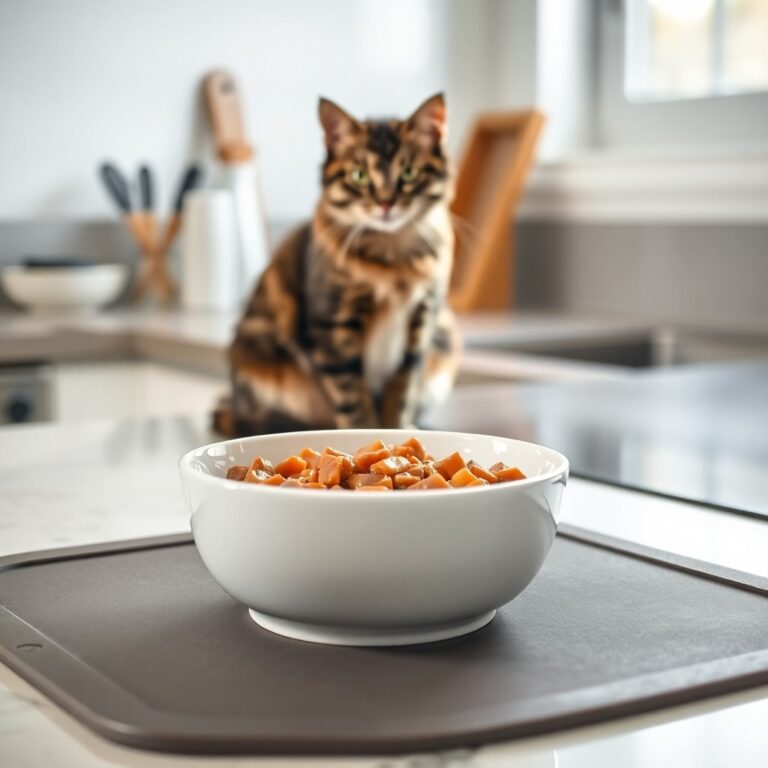

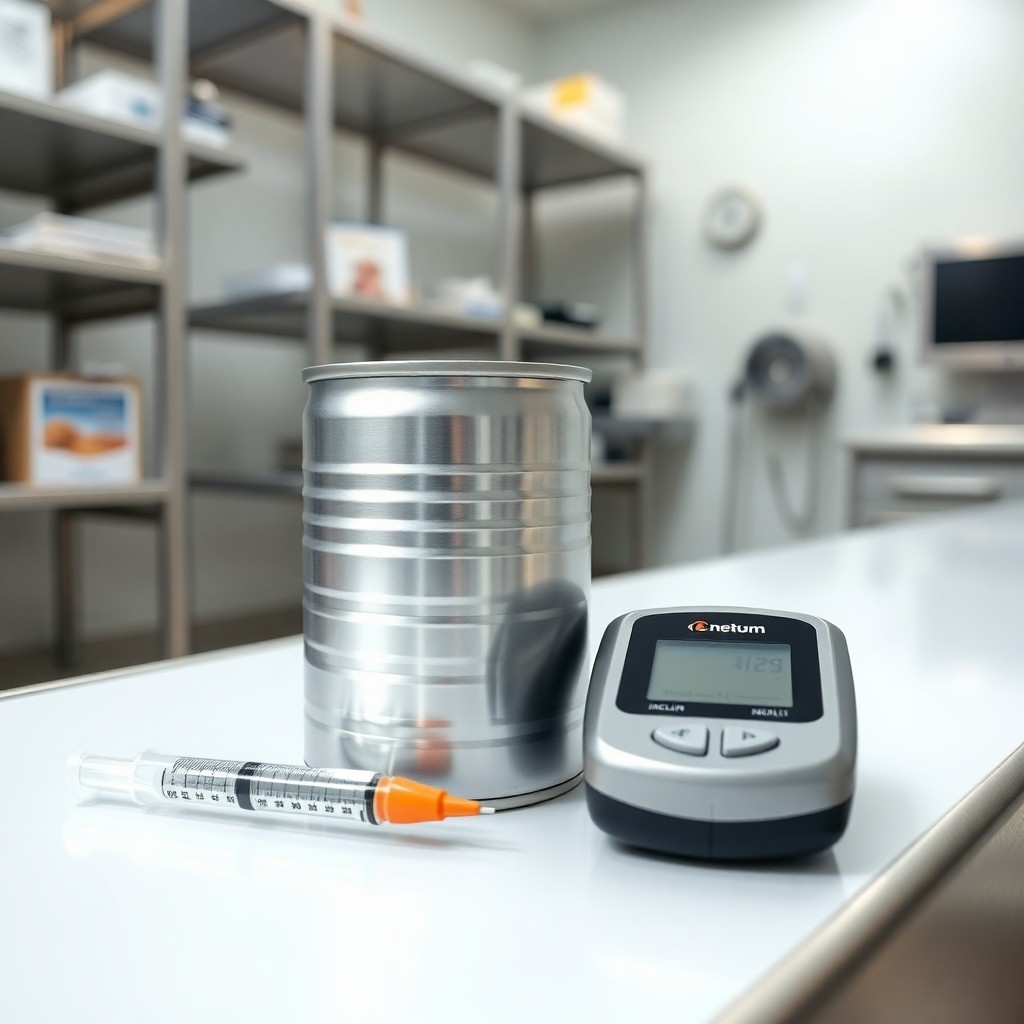
Feline diabetes mellitus presents a complex endocrinological challenge where precise dietary intervention is not merely supportive, but therapeutically transformative. Transitioning an insulin-dependent cat to a wet diet containing less than 10% carbohydrates on a dry matter basis can drastically reduce exogenous insulin requirements and, in some cases, facilitate complete clinical remission. Precise metabolic calculations and rigorous home monitoring are critical to navigating this nutritional shift safely without risking life-threatening hypoglycemic crises.
Feline Macronutrient Physiology and Glucose Toxicity
Cats are obligate carnivores with unique metabolic pathways optimized for a high-protein, moderate-fat, and minimal-carbohydrate diet. Unlike omnivores, felines lack salivary amylase and possess limited hepatic enzyme activity (such as glucokinase) to handle large glucose loads. When fed a diet high in carbohydrates, the feline pancreas is forced to chronically oversecrete insulin, leading to beta-cell exhaustion, insulin resistance, and systemic glucose toxicity.
For insulin-dependent diabetic cats, reducing carbohydrate intake alleviates the constant demand on the remaining functional beta-cells. Clinical trials indicate that low-carbohydrate diets improve glycemic control, lower the daily insulin dose required, and significantly increase the rates of diabetic remission compared to high-fiber, high-carbohydrate clinical diets.
The Dry Matter Basis (DMB) Calculation Protocol
Relying solely on the ‘Guaranteed Analysis’ printed on commercial pet food labels is clinically insufficient. Pet food regulations require values to be listed as-fed, which includes moisture. Because canned wet foods contain between 70% and 85% water, the nutrient percentages must be converted to a Dry Matter Basis (DMB) to accurately evaluate the carbohydrate load.
To calculate the exact dry matter carbohydrate percentage of any canned cat food, use the following standardized multi-step diagnostic formula:
- Determine the Total Dry Matter of the Diet: Subtract the listed moisture percentage from 100%.
Equation: Dry Matter % = 100% – Moisture % - Calculate the As-Fed Carbohydrate Percentage: Since carbohydrates are rarely listed on pet food packaging, estimate them by subtracting all other guaranteed analytes (Protein, Fat, Crude Fiber, Moisture, and Ash) from 100%. If Ash is not listed, use a standard estimate of 2.0% for wet food.
Equation: As-Fed Carbohydrate % = 100% – (Protein% + Fat% + Fiber% + Moisture% + Ash%) - Calculate the Dry Matter Carbohydrate Percentage: Divide the as-fed carbohydrate percentage by the total dry matter, then multiply by 100.
Equation: Carbohydrate % (DMB) = (As-Fed Carbohydrate % / Dry Matter %) * 100
Clinical Target Nutrient Profile for Diabetic Felines
The nutritional profile of canned diet formulations for diabetic cats must be high in highly digestible animal protein to preserve lean body mass, moderate in fat, and ultra-low in soluble carbohydrates. The table below outlines the ideal clinical targets established by veterinary nutritionists for managing feline diabetes mellitus.
| Nutrient | Target Range (Dry Matter Basis) | Clinical Rationale |
|---|---|---|
| Crude Protein | 45% – 60% | Preserves lean skeletal muscle mass and provides a stable, slow gluconeogenesis pathway. |
| Crude Fat | 30% – 45% | Provides dense, highly palatable energy without inducing postprandial blood glucose spikes. |
| Carbohydrates | < 10% (Ideal < 5%) | Mitigates postprandial hyperglycemia and reverses pancreatic beta-cell glucose toxicity. |
| Moisture | > 75% | Supports renal perfusion, promotes voluntary hydration, and prevents lower urinary tract complications. |
Clinical Coordination and Hypoglycemia Risk Mitigation
Adjusting an insulin-dependent cat’s diet to low-carbohydrate canned food must never be done unilaterally or abruptly while maintaining the same insulin dosage. As dietary carbohydrates decrease, the exogenous insulin requirement drops precipitously, often within 24 to 48 hours. Continuing to administer the pre-diet change insulin dose can result in severe, fatal hypoglycemia.
Veterinary endocrinology guidelines recommend initiating a strict blood glucose monitoring protocol prior to starting the transition. Home capillary blood glucose monitoring (using a validated feline glucometer or a continuous glucose monitoring system) is highly recommended. Daily blood glucose curves must guide the downward titration of insulin. In many clinical cases, insulin doses must be reduced by 25% to 50% immediately upon transitioning to an ultra-low-carbohydrate wet diet to ensure patient safety.
Evidence-Based Veterinary References
- American Animal Hospital Association (AAHA): Diabetes Management Guidelines for Dogs and Cats.
- International Society of Feline Medicine (ISFM): Guidelines on the Practical Management of Diabetes Mellitus in Cats.
- Roomp, K., & Rand, J. (2009): Intensive blood glucose control is safe and effective in diabetic cats using glargine and a protocol with helper interventions. Journal of Feline Medicine & Surgery, 11(8), 668-682.
- World Small Animal Veterinary Association (WSAVA): Global Nutrition Committee Guidelines for Nutrient Analysis and Diet Evaluation.