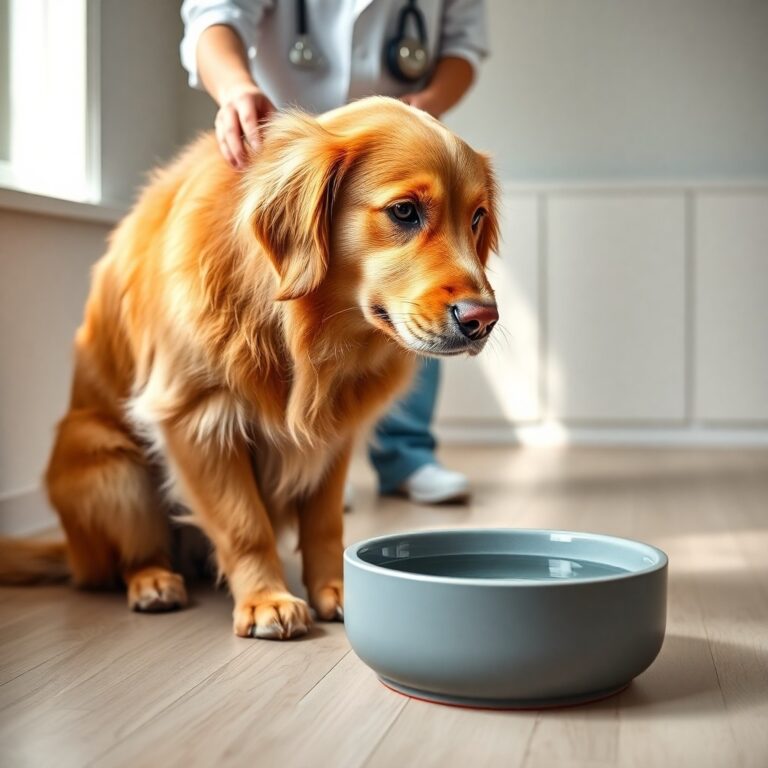

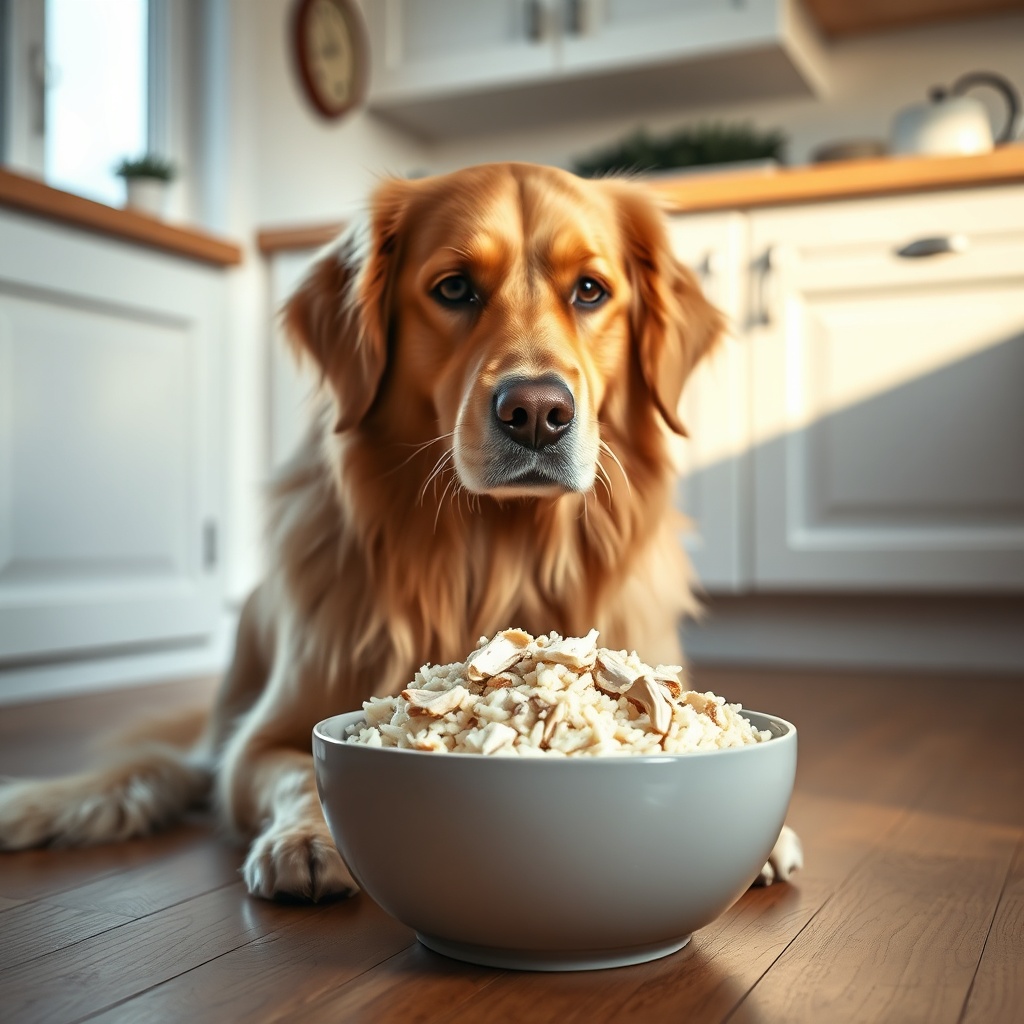
A dog experiencing sudden, watery stool can quickly disrupt a household and signal acute gastrointestinal distress. Preparing a bland meal of boiled chicken and white rice is the gold-standard home intervention to soothe an inflamed canine gut. This temporary diet gives the pancreas, stomach, and intestines a much-needed rest while providing easily absorbable nutrients.
To prepare a bland diet for a dog with acute diarrhea, boil skinless, boneless chicken breast and plain white rice separately without any salt, oil, or seasonings, then mix them in a 2:1 ratio of cooked white rice to cooked chicken.
Why Chicken and White Rice Works
Acute diarrhea often stems from dietary indiscretion, sudden food changes, or mild bacterial imbalances. During these episodes, the mucosal lining of the intestines becomes inflamed. High-fat diets or complex proteins require significant enzymatic breakdown, which taxes the compromised digestive tract.
White rice is a highly digestible, low-fiber starch that absorbs excess water in the bowel and helps bind the stool. Lean chicken breast provides a single, highly bioavailable protein source without the fat that can trigger pancreatitis or worsen diarrhea. Together, they create a low-residue meal, meaning very little waste is left over after digestion, giving the colon a chance to heal.
The Perfect 2:1 Bland Diet Recipe
Precision is key. Adding oils, butter, salt, or garlic can severely worsen gastrointestinal inflammation or even cause toxicity.
Ingredients Needed:
- Boneless, skinless chicken breast: Avoid thigh meat, wings, or any cuts with visible fat. Do not use rotisserie chicken.
- Plain white rice: Do not use brown rice, wild rice, or instant parboiled rice. Brown rice retains its fibrous outer husk, which is too difficult for an inflamed gut to process.
- Water: For boiling. Do not use commercial chicken broth, as it often contains toxic onion or garlic powder and excessive sodium.
Step-by-Step Preparation:
1. Cook the Rice: Rinse the white rice thoroughly to remove excess surface starch. Boil the rice in plain water. Many veterinarians recommend overcooking the rice slightly by adding a bit of extra water, making it even softer and easier to digest.
2. Boil the Chicken: Place the chicken breast in a separate pot of boiling water. Boil until the meat is completely white and cooked through to the center (no pink remaining). Drain the water to discard any fat that cooked out of the meat.
3. Shred and Cool: Shred the chicken into very small, bite-sized pieces appropriate for your dog\’s size. Let both ingredients cool completely to room temperature before mixing.
4. The Golden Ratio: Mix 2 parts cooked white rice with 1 part cooked shredded chicken. For example, combine 1 cup of cooked white rice with 1/2 cup of cooked chicken.
Feeding Guidelines and Portion Sizes
Do not feed your dog their normal portion size of the bland diet. Feed smaller, more frequent meals throughout the day to avoid stretching the stomach and triggering vomiting.
| Dog Weight (lbs) | Total Daily Bland Diet Portion | Recommended Feeding Frequency |
|---|---|---|
| Under 10 lbs | 1/2 to 1 cup per day | 4 small meals daily |
| 11 to 30 lbs | 1 to 2 cups per day | 3 to 4 small meals daily |
| 31 to 60 lbs | 2 to 3.5 cups per day | 3 small meals daily |
| Over 60 lbs | 3.5 to 5 cups per day | 3 small meals daily |
Transitioning Back to Regular Dog Food
According to clinical guidelines from the American Animal Hospital Association (AAHA), a bland diet is not nutritionally complete. It lacks essential vitamins, minerals, calcium, and essential fatty acids. Therefore, it should never be fed for more than 3 to 5 days without veterinary supervision.
Once your dog\’s stool has returned to a normal, firm consistency for 24 to 48 hours, begin a gradual transition back to their regular commercial kibble or canned food over a 3-day period:
- Day 1: Feed 75% bland diet mixed with 25% regular dog food.
- Day 2: Feed 50% bland diet mixed with 50% regular dog food.
- Day 3: Feed 25% bland diet mixed with 75% regular dog food, moving to 100% regular food the following day.
Clinical Red Flags: When to See a Veterinarian
While home therapy is effective for mild dietary indiscretions, acute diarrhea can also be a symptom of more severe systemic conditions such as parvovirus, pancreatitis, parasite infestations, or toxin ingestion. Seek immediate veterinary care if you observe any of the following symptoms:
- Diarrhea that persists for more than 48 hours despite the bland diet.
- Blood in the stool (either bright red blood or dark, black tarry stools).
- Concurrently occurring vomiting or inability to keep water down.
- Extreme lethargy, weakness, or collapse.
- Signs of dehydration, such as dry, tacky gums or loss of skin elasticity.
- The dog is a young puppy (under 6 months) or a senior with pre-existing medical conditions.
Frequently Asked Questions
Can brown rice be used instead of white rice?
No. Brown rice contains the seed coat and outer bran layer, which makes it much higher in fiber. While fiber is healthy for a normal gut, it speeds up intestinal transit and irritates an already inflamed digestive tract during an active bout of diarrhea. Always stick to plain white rice.
Can canned pumpkin be added to the chicken and rice mix?
Yes, but with caution. You can add 1 to 2 tablespoons of 100% pure canned pumpkin (not pumpkin pie mix, which contains toxic spices and sugar) to the meal. Pumpkin provides soluble fiber, which helps absorb excess water in the colon. However, start with a very small amount to ensure it does not cause further upset.
What should be done if the dog refuses to eat the chicken and rice?
If your dog refuses the bland diet, do not force them to eat. A short fast of 12 to 24 hours (for adult dogs only) is often beneficial to allow the bowel to rest. Ensure they still have access to fresh water to prevent dehydration. If they refuse food for more than 24 hours, contact your veterinarian for assessment.