

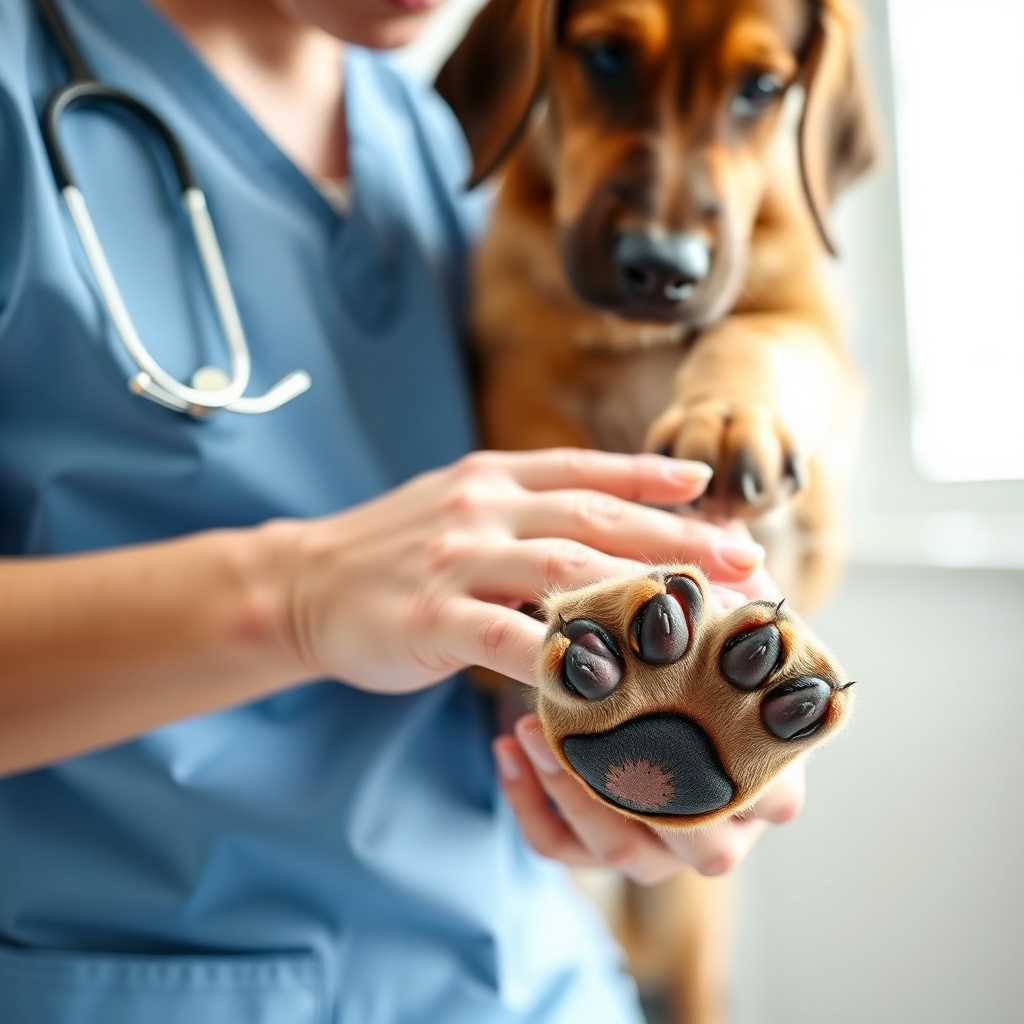
If your dog suddenly starts limping, frantically licking their paws, or planting their feet and refusing to budge on your summer walk, take a closer look at the ground beneath them. While canine paw pads are tough and built for adventure, they are no match for asphalt, concrete, and artificial turf baking under a blazing summer sun.
Pavement temperatures of 125°F (52°C) or higher are too hot for a dog’s paws, capable of causing severe burns, blisters, and tissue damage in under 60 seconds. Even when the ambient air temperature feels comfortable at 77°F (25°C), unshaded asphalt under direct sunlight can easily reach this hazardous threshold.
The Science of Surface Temperature vs. Air Temperature
Many pet owners assume that if the air feels pleasant, the ground is safe for a walk. However, dark materials like asphalt absorb and retain thermal radiation from the sun, heating up far beyond the surrounding air temperature. This thermal retention creates a silent hazard for pets walking close to the ground.
To help visualize this risk, the following data illustrates how quickly ground surfaces can heat up relative to the ambient air temperature under direct sunlight:
| Air Temperature (°F / °C) | Estimated Asphalt Temp (°F / °C) | Risk Level & Safe Exposure Limits |
|---|---|---|
| 77°F (25°C) | 125°F (52°C) | High Risk: Skin damage can occur in under 60 seconds. |
| 86°F (30°C) | 135°F (57°C) | Extreme Risk: Rapid burning; tissue destruction happens quickly. |
| 87°F+ (31°C+) | 143°F+ (62°C+) | Critical Risk: Instant blistering and severe pain on contact. |
For owners, this means that even a mild spring or summer afternoon can pose a serious threat. Testing the surface directly is always necessary before letting a dog walk on unshaded ground.
The 7-Second Rule: How to Test the Pavement
Before stepping out with your dog, perform a quick and reliable diagnostic check known as the 7-second rule. This simple test acts as an immediate safety gauge to determine if the walking surface is safe.
- Find a representative patch of the pavement exposed to direct sunlight.
- Press the back of your bare hand firmly against the surface.
- Hold it there for seven consecutive seconds.
If you have to pull your hand away before the seven seconds are up because the surface is uncomfortably hot, it is entirely unsafe for your dog’s paws. If this is the case, postpone the walk, seek out grassy paths, or use specialized protective footwear.
Recognizing the Signs of Burned Paw Pads
A dog’s instinct is often to mask pain, meaning burns may not be immediately obvious during a walk. Owners must remain vigilant for clinical signs of thermal injury during and after outdoor activities (AVMA).
Common symptoms of burned paw pads include:
- Limping, favoring certain legs, or a sudden refusal to walk.
- Obsessive licking, chewing, or biting at the paws.
- Paw pads that appear darker than normal, discolored, or red.
- Visible blisters, peeling skin, or raw red patches.
- Extreme sensitivity to touch when paws are handled.
Immediate First Aid and Veterinary Escalation
If you suspect your dog has sustained paw burns, immediate first aid is essential to limit tissue damage and reduce pain. Move your dog to a cool, shaded area or grass immediately, and carry them if possible to prevent further friction.
Flush the affected paws with cool, gently running water for 10 to 15 minutes. Avoid using ice or ice-cold water, as extreme cold can constrict blood vessels and worsen the tissue injury. Gently pat the paws dry with a clean towel; do not rub the sensitive pads. To prevent infection and self-trauma, keep your dog from licking the injured areas.
For minor redness, keeping your dog rested on cool, soft surfaces may suffice. However, if you observe open blisters, raw skin, bleeding, or if your dog is in visible distress, seek immediate professional care at a veterinary clinic or emergency animal hospital (AAHA).
Practical Prevention Strategies for Summer
Protecting your dog’s paws does not mean staying cooped up all summer. Adjusting your daily routine ensures your dog gets vital exercise without risking thermal injuries.
Schedule your outdoor activities for the early morning or late evening hours when the sun is low and the pavement has had time to cool down. Whenever possible, choose walking routes that consist of grass, soil, or shaded dirt trails rather than concrete or asphalt. If walking on pavement is unavoidable, consider training your dog to wear protective boots with rubber soles, or apply a veterinary-approved paw protection wax to create an insulative barrier against warm surfaces.
Frequently Asked Questions
Can sand burn a dog’s paws?
Yes. Dry sand absorbs heat very efficiently and can easily reach temperatures high enough to blister a dog’s paw pads, especially near the shoreline where dogs may transition between wet and hot dry sand.
Do dog boots really protect against heat?
Yes, high-quality dog boots with heat-resistant rubber soles act as a highly effective barrier, insulating the paw pads from hot ground surfaces. Ensure they fit securely without chafing and allow the paws to breathe during brief periods of use.
How long does it take for burned paws to heal?
Minor paw burns can heal within 7 to 10 days with basic rest and protection. Severe burns involving deep tissue damage, blistering, or secondary infections can take several weeks to resolve and require dedicated veterinary wound management.
References
- American Veterinary Medical Association (AVMA) – Safe Summer Guideliness for Pets.
- American Animal Hospital Association (AAHA) – Heat Safety and Paw Burn Protocol.