
Most cat owners make the critical mistake of assuming that setting up a window bird feeder is a risk-free way to keep their indoor feline entertained. While visual stimulation is a powerful tool for indoor cats, without the right precautions, ‘cat TV’ can easily cross the line from healthy entertainment into severe behavioral frustration.
Yes, watching birds is excellent environmental enrichment for indoor cats, providing essential mental stimulation that mimics their natural predatory drive. However, to prevent psychological frustration, anxiety, or ‘redirected aggression,’ owners must pair this visual activity with physical play session alternatives that allow the cat to complete its predatory sequence.
The Psychology Behind the Window: Entertainment vs. Frustration
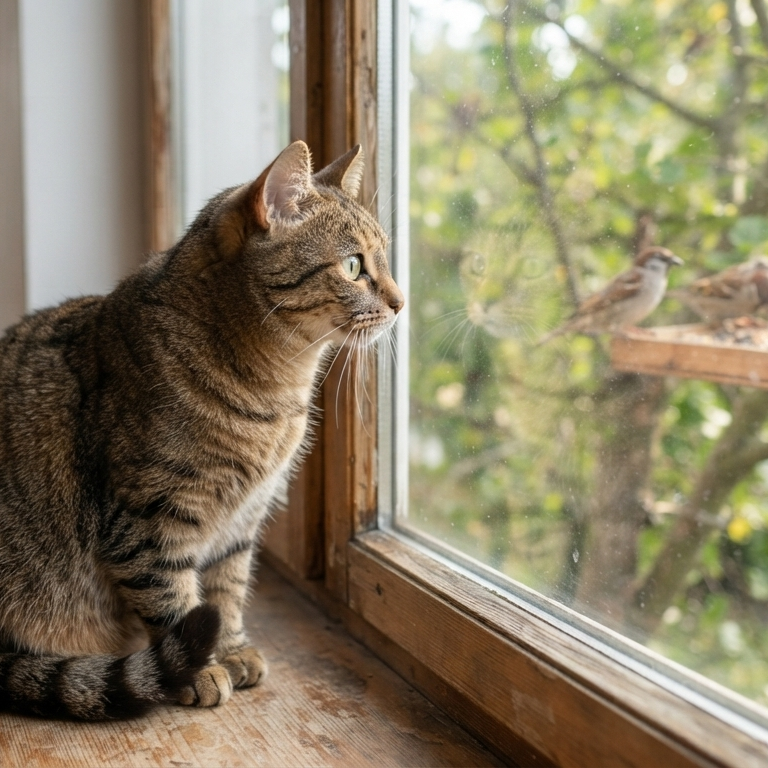
To understand why bird watching impacts cats so deeply, it is necessary to look at their hardwired predatory sequence: stare, stalk, pounce, kill, consume. When an indoor cat watches a bird through a pane of glass, they are highly engaged in the first phase of this sequence. The movement, chirping, and sudden fluttering trigger a dopamine release in the feline brain, keeping them sharp and mentally active.
However, the glass pane acts as an impenetrable barrier. Because the cat can never transition from staring and stalking to pouncing and capturing, the predatory sequence remains unfulfilled. Over time, this unresolved arousal can morph into deep frustration. Instead of feeling enriched, the cat may become chronically stressed, anxious, or hyper-vigilant.
The Warning Signs of ‘Window Frustration’
As a responsible owner, monitoring your cat’s behavior during and after window-watching sessions is crucial. While some tension is normal, certain signs indicate that the enrichment has turned toxic:
- Chittering or Chirping: While often cute, this rapid jaw movement is actually a physical manifestation of anticipation and barrier frustration.
- Tail Thumping or Swishing: A fast, heavy tail whip indicates high arousal and irritation, not relaxation.
- Redirected Aggression: This is the most serious warning sign. If your cat suddenly attacks a companion pet, swipes at your ankles, or bites you immediately after staring out the window, they are redirecting their unspent predatory energy onto an available target.
- Pacing and Vocalization: Meowing loudly at the window or pacing back and forth long after the birds have flown away signals an inability to calm down.
How to Set Up a Safe ‘Cat TV’ Station
Visual enrichment should not be avoided altogether; instead, it must be managed with a structured, interactive approach. Use this step-by-step action plan to design a healthy window-watching experience for your feline companion.
1. Control the Distance
Do not place bird feeders directly against the window glass if your cat shows signs of extreme agitation. Position feeders about 8 to 10 feet away. This distance keeps the birds visible but reduces the intense, immediate trigger response, making the experience more passive and relaxing.
2. Complete the Predatory Sequence
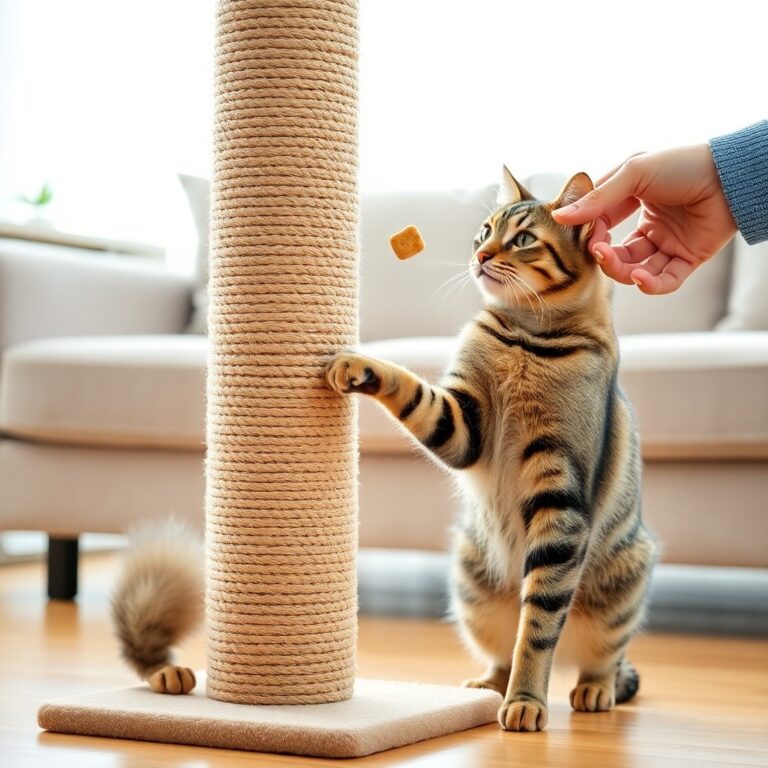
This is the most critical step. Immediately after a high-intensity window-watching session, engage your cat in a 10-to-15-minute physical play session using an interactive wand toy, feather teaser, or laser pointer. Allow your cat to chase, pounce on, and physically catch the toy. Finish the play session by offering a high-value treat or a small meal. This satisfies the predatory sequence (stare, stalk, pounce, kill, eat) and signals to the cat’s brain that the hunt is successfully over.
3. Implement ‘Commercial Breaks’
Do not allow your cat unlimited access to high-intensity viewing areas all day long. Use blinds, curtains, or window films to restrict access during peak bird activity hours if your cat struggle with self-regulation. Introducing puzzle feeders in another room during these times can redirect their focus toward a physical task.
Common Mistakes to Avoid
When introducing visual enrichment, avoiding these common environmental design errors will keep your home peaceful and your cat stress-free:
- Leaving feeders up near multi-cat tension zones: If you have multiple cats that occasionally squabble, placing a bird feeder near their shared space can trigger territorial defense and physical fights.
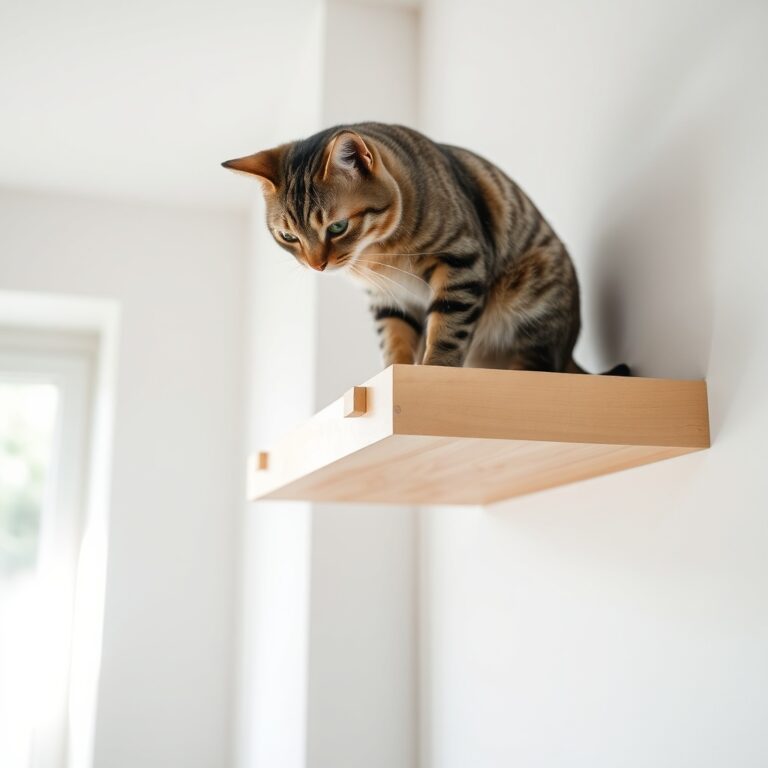
- Neglecting vertical space: Avoid placing the cat perch directly on the floor. Elevating the cat bed or perch near the window gives the cat a secure, high vantage point, which naturally lowers their stress levels.
- Forgetting to clean the window area: Bird feeders attract local wildlife, which can bring mites or fleas close to your window screens. Ensure screens are secure and clean the area regularly to prevent pest transmission.
Frequently Asked Questions
Can bird watching cause permanent anxiety in cats?
No, it will not cause permanent anxiety, but chronic unmanaged barrier frustration can lead to long-term behavioral issues like urine marking, generalized anxiety, and persistent aggression toward other household pets.
Why does my cat chatter at birds?
Chattering is a instinctual prey-directed behavior. It is a mix of excitement, anticipation, and frustration at being unable to physically reach the prey item behind the glass.
Are bird videos on YouTube a safe alternative to real birds?
Yes, digital ‘Cat TV’ is a highly controllable alternative. You can turn the screen off when the session is over, making it much easier to transition your cat immediately into physical play and complete their natural hunting cycle.