
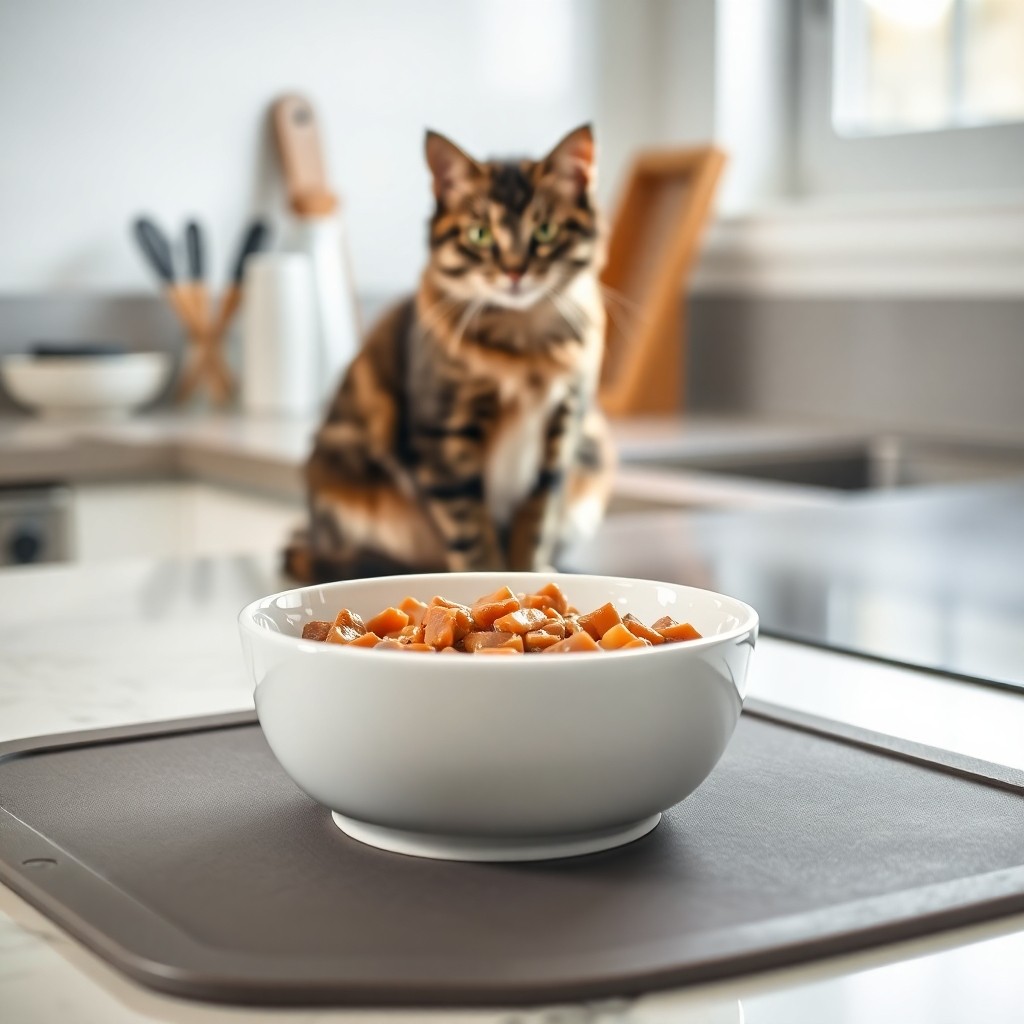
Leaving wet cat food out a bit too long can quickly turn a routine meal into a breeding ground for bacteria, but keeping your feline safe at dinnertime is surprisingly straightforward once you know the right rules.
As a general rule, wet cat food should not stay out at room temperature for longer than 1 to 2 hours. Any canned or wet food left in the bowl past this two-hour window must be discarded to prevent the proliferation of harmful pathogens and foodborne illness.
The Science of Food Spoilage: The Danger Zone
Once wet cat food is opened and exposed to the air, moisture and nutrients create a perfect breeding ground for bacteria. According to nutritional safety standards, biological contamination occurs rapidly within the temperature range of 40°F to 140°F (4°C to 60°C). This range is clinically recognized as the ‘danger zone’ where pathogens like Salmonella, Listeria, and Escherichia coli replicate exponentially.
For owners, this means that even if a room feels comfortable, microscopic bacterial colonies are actively multiplying on the food surface. While a cat’s stomach acid is highly acidic, it is not completely immune to heavy bacterial loads, especially in young kittens, senior cats, or those with compromised immune systems.
Temperature and Safety Guidelines
The rate of bacterial growth is directly linked to ambient room temperature. The following table outlines the maximum safe exposure times based on environmental conditions:
| Room Temperature | Maximum Safe Duration | Bacterial Risk Level | Recommended Action |
|---|---|---|---|
| Below 50°F (10°C) | Up to 3 hours | Low | Discard if left longer; ideal for cool outdoor feeding. |
| 50°F to 70°F (10°C to 21°C) | 1 to 2 hours | Moderate | Standard indoor limit. Pick up leftovers promptly. |
| 71°F to 90°F (22°C to 32°C) | 1 hour | High | Bacteria double rapidly. Feed small portions immediately. |
| Above 90°F (32°C) | Less than 30 minutes | Critical | Extreme risk. Food spoils almost instantly; do not leave out. |
What Happens if a Cat Eats Spoiled Wet Food?
Consuming contaminated food can lead to acute gastroenteritis. Recognizing the early symptoms of food poisoning in felines is crucial for prompt veterinary intervention. Monitor your cat closely for these indicators if you suspect they ingested spoiled food:
- Vomiting and diarrhea: The body’s natural defense mechanism attempting to expel toxins rapidly.
- Lethargy and weakness: A sudden drop in energy levels due to dehydration or systemic inflammation.
- Decreased appetite: A refusal to eat subsequent meals due to abdominal discomfort or nausea.
- Fever: An elevated body temperature as the immune system battles bacterial infection.
If these symptoms persist for more than 24 hours, or if you notice severe lethargy or blood in the stool, contact a veterinarian immediately for supportive care, which may include subcutaneous fluids and anti-nausea therapy.
How to Safely Store and Manage Leftover Wet Food
To maximize freshness and eliminate waste, proper storage protocols should be established. Follow these steps to handle wet food safely:
1. Refrigerate unused portions immediately: Once a can is opened, transfer any unused food into a clean, airtight container or cover the top of the can with a tight-fitting silicone lid. Store it in the refrigerator at temperatures below 40°F (4°C) for a maximum of 5 to 7 days (USDA).
2. Serve in small, controlled portions: If your cat is a ‘grazer’ who prefers small meals throughout the day, serve only a spoonful at a time. Leave the remaining portion in the refrigerator until the next feeding time.
3. Clean the bowls daily: Microscopic biofilm and bacteria can cling to food bowls. Wash ceramic, stainless steel, or glass bowls with hot water and dish soap after every single meal to prevent cross-contamination.
Frequently Asked Questions
Can I put wet cat food back in the fridge after it sat out?
No. If wet cat food has sat out at room temperature for more than two hours, it should not be refrigerated for later use. Refrigeration slows down bacterial growth but does not destroy the pathogens or toxins that have already formed.
How do I warm up cold wet cat food from the fridge?
You can mix a small amount of warm water into the food or let it sit at room temperature for 10 to 15 minutes before serving. Never microwave the food in its original metal can, and avoid overheating, which can destroy vital nutrients.
Can cats tell if wet food has gone bad?
Cats have a highly sensitive sense of smell and will often refuse to eat food that has begun to spoil or ferment. However, harmful bacterial contamination is not always detectable by smell alone, so owners must rely on strict timing guidelines rather than the cat’s behavior.
References
Clinical nutrition guidelines and food safety standards adapted from the World Small Animal Veterinary Association (WSAVA) and the United States Food and Drug Administration (FDA) Animal & Veterinary protocols.