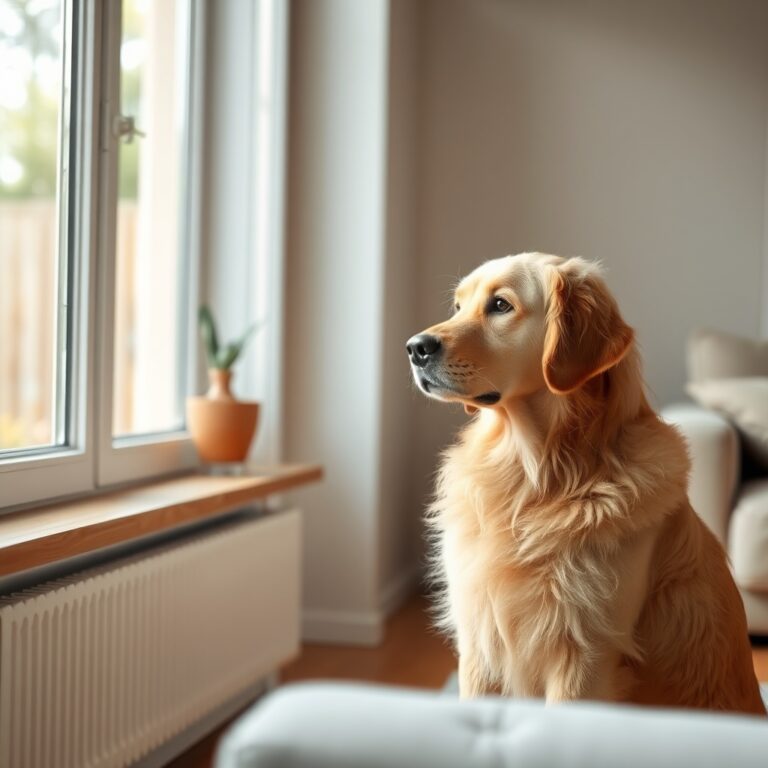

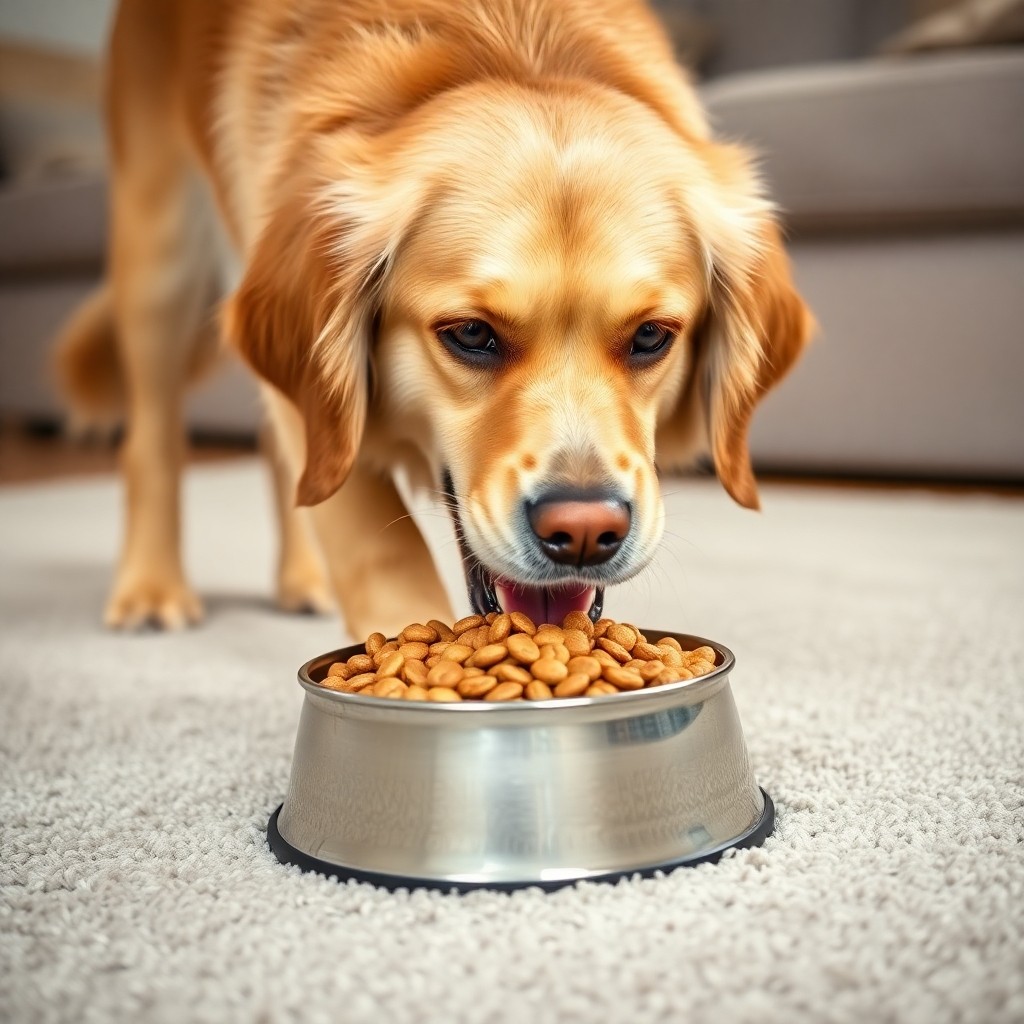
There is a very specific kind of confusion that comes with watching your dog grab a mouthful of kibble from a full bowl, march into the middle of the living room rug, drop the entire pile, and eat it piece by single piece. While it looks like a bizarre dining quirk, that daily kitchen-to-carpet migration is actually driven by a deeply ingrained survival instinct.
Dogs carry food away from their bowl primarily due to evolutionary survival instincts (to protect food from perceived competitors), sensitivity to noisy collar tags hitting metal bowls, or a desire for companionship by eating closer to their human family. Understanding this behavior allows you to adjust their feeding environment to make dinner time stress-free and keep your floors clean.
The Ancestral Drive Behind Bowl-to-Floor Transport
To understand why your dog behaves like a canine caterer, we have to look at their ancestors. In a wild wolf pack, subordinate animals often grab a piece of a carcass and run to a safe distance to eat in peace. This prevents more dominant pack members from stealing their portion. Even though your pampered pup is the only pet in your home, this hardwired ‘survival of the fullest’ instinct remains incredibly strong.
Top 4 Reasons Your Dog Relocates Their Dinner
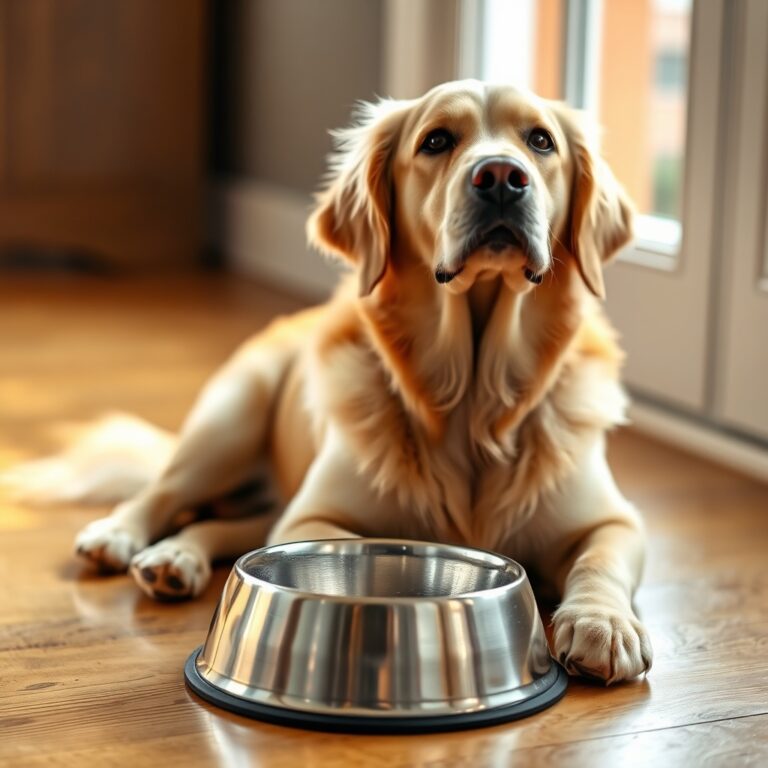
- The Clank of Collar Tags: If your dog wears a collar with metal tags, those tags often clank against the metal or ceramic bowl as they eat. This sharp, sudden sound close to their ears can be startling or annoying, leading them to grab a mouthful and move to a quieter spot.
- The Solitary Feast Instinct: Even in single-dog households, dogs may feel a subtle urge to protect their resource. Carrying food to a carpeted area or a corner creates a physical barrier that makes them feel secure from perceived threats.
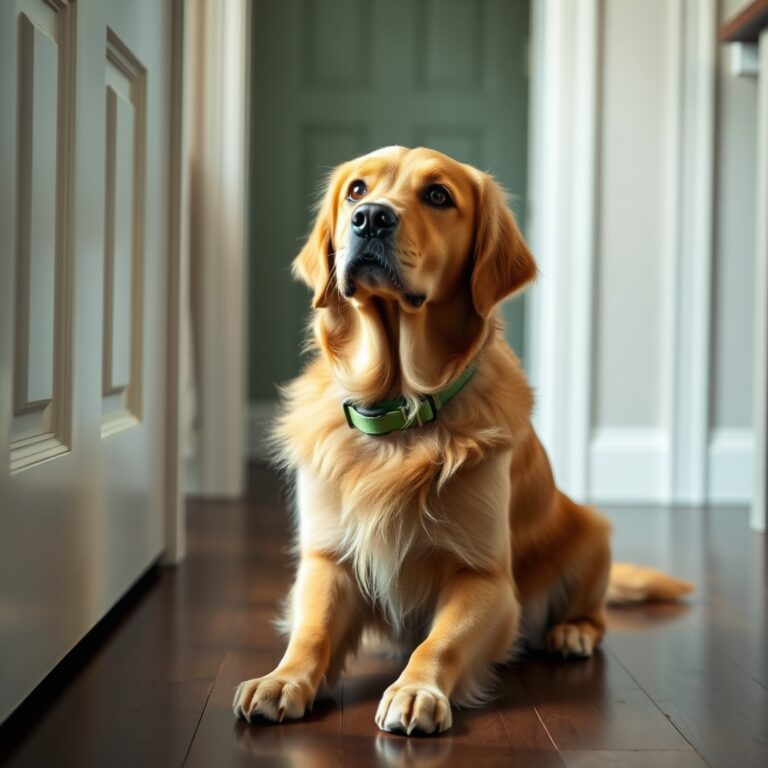
- Social Isolation: Dogs are natural pack animals and prefer to do activities together. If their food bowl is tucked away in a quiet laundry room or a dark hallway, but you are hanging out in the living room, your dog will naturally bring their food to where the ‘pack’ is gathered.
- Substrate Preference: Some dogs simply dislike the feeling of slippery kitchen tiles under their paws while they eat. A soft carpet or rug provides better traction and a warmer surface, making the dining experience physically more comfortable.
Step-by-Step Training Plan to Quiet the Move
If you are tired of vacuuming kibble crumbs off your living room rug, you can gently modify this behavior with a few environmental adjustments. Follow this simple plan to help your dog feel secure at their bowl:
- Step 1: Swap the Bowl. Replace noisy metal or ceramic bowls with shallow plastic, silicone, or paper plates. This eliminates the startling clatter of collar tags and reduces the ‘scoop and run’ reflex.
- Step 2: Relocate the Feeding Station. Move the bowl closer to the action. Place it in the corner of the room where you spend the most time, such as the kitchen or living room, so they do not feel isolated.
- Step 3: Establish a Quiet Zone. If you have a multi-pet home, feed your dogs in separate rooms or behind baby gates. Visual barriers eliminate the competitive pressure to guard and run with food.
- Step 4: Remove the Collar During Meals. Simply taking off your dog’s collar before feeding time can instantly solve the clanking issue and keep them focused on their bowl.
Common Mistakes to Avoid
When trying to correct this behavior, many pet parents accidentally reinforce it or cause unnecessary anxiety. Avoid these common missteps:
- Scolding or Chasing: Never chase your dog or yell at them when they run off with kibble. They may interpret this as a game or, worse, feel that you are trying to steal their food, which escalates resource guarding.
- Forcing Them to Eat in Isolation: Locking your dog in a laundry room to force them to eat from the bowl can increase mealtime anxiety and make them reject their food entirely.
- Leaving Food Out All Day: Free-feeding can make food seem like a scarce resource that needs to be defended or played with. Stick to scheduled, structured meal times instead.
Frequently Asked Questions
Is it bad for my dog to eat off the carpet?
While not inherently dangerous, eating off the carpet can introduce bacteria or carpet fibers into your dog’s digestive system, and it leaves behind grease and food crumbs that can attract pests. Transitioning them to a flat silicone mat is a cleaner, safer alternative.
Could this behavior point to a medical issue?
In most cases, this is purely a behavioral quirk. However, if your dog suddenly starts carrying food away and dropping it without eating it, they may be experiencing dental pain. Have your veterinarian check for loose teeth, gum inflammation, or oral discomfort.
Why does my dog only do this with certain foods?
Dogs often value high-reward foods (like fresh meat, wet food, or premium kibble) much more than standard dry food. They are more likely to protect and relocate foods they perceive as highly valuable.