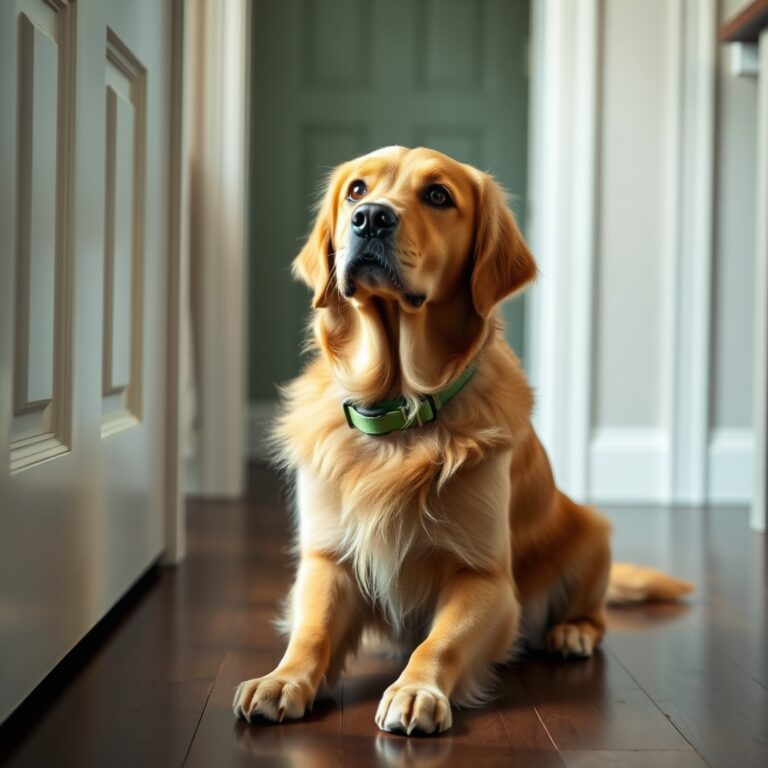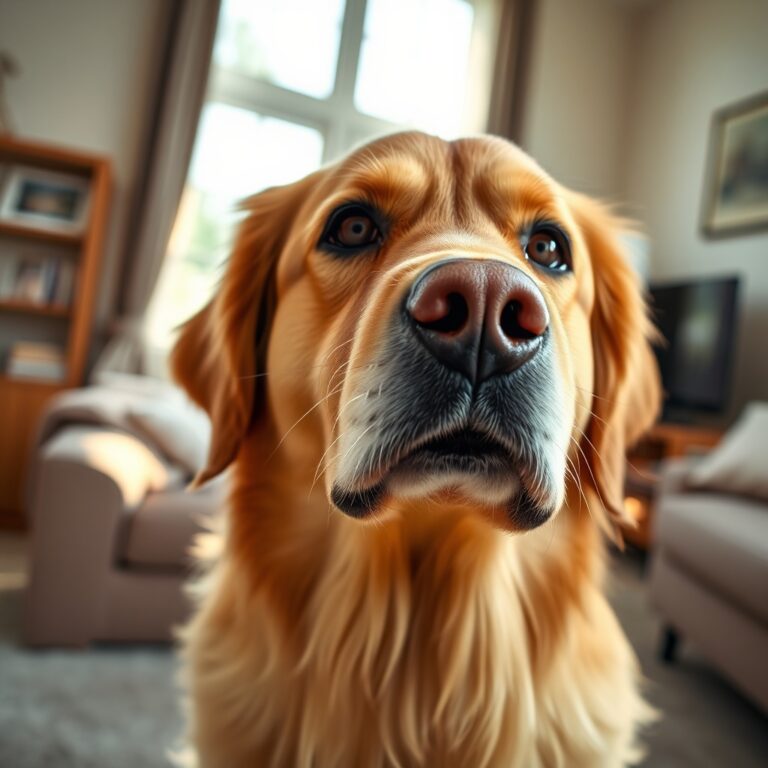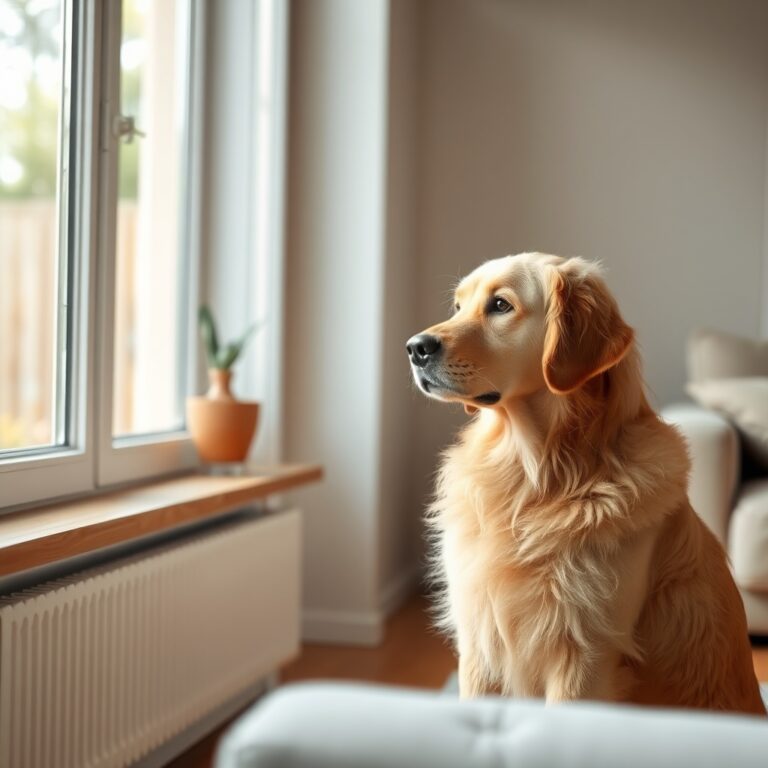

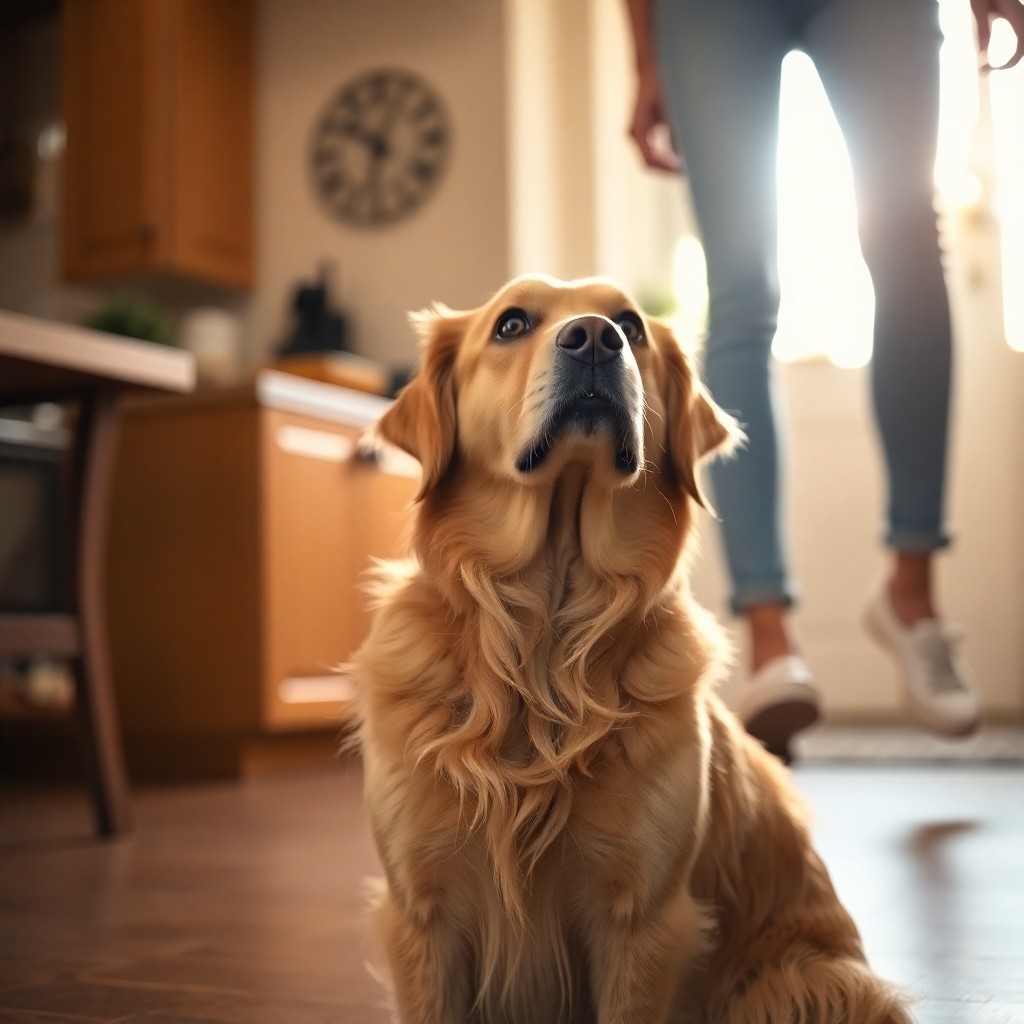
If your dog acts like a furry shadow, constantly tracking your footsteps from the living room to the kitchen, you are dealing with a classic ‘velcro dog’ scenario. While it’s easy to write off this shadowing behavior as pure, unwavering affection, it often masks an underlying anxious cycle that quietly chips away at your pet’s independence.
Dogs follow their owners from room to room primarily due to instinctual pack dynamics, positive reinforcement, and a desire for security or mental stimulation. In some cases, this persistent shadowing is driven by separation anxiety or a seek-and-reward cycle where the dog associates your movement with potential treats, affection, or outdoor play.
The Science Behind the Shadow: Why Your Dog Follows You
To understand why your dog behaves like an inescapable shadow, it helps to look at their evolutionary history and daily routines. Here are the primary reasons why your canine companion is glued to your side:
- The Canine Pack Instinct: Domestication has not erased a dog’s natural desire to stay with their pack. To your dog, you are the provider, protector, and pack leader. Remaining close is a fundamental survival mechanism inherited from their ancestors.
- Positive Reinforcement: Think about what happens when your dog follows you into the kitchen. Do they occasionally get a piece of dropped food, a quick head scratch, or an enthusiastic ‘good boy’? Your dog is highly observant and quickly associates following your footsteps with positive outcomes.
- The ‘Velcro’ Breed Predisposition: Some breeds are genetically predisposed to be closer to their humans. Herding breeds like Border Collies and Australian Shepherds, or working breeds like German Shepherds and retrievers, are bred to work in close partnership with humans, making them natural shadowers.
- Boredom and Mental Understimulation: If your dog lacks mental stimulation, tracking your movements becomes their primary source of entertainment. Watching you wash dishes or fold laundry is their version of watching television.
Healthy Bonding vs. Separation Anxiety
It is important to distinguish between a healthy, affectionate companion and a dog suffering from clinical separation anxiety. If your dog calmly follows you because they enjoy your company, they will typically lie down nearby and relax when you stop moving. However, if your dog shows signs of panic—such as whining, pacing, panting, trembling, or destructive behavior the moment a door is closed between you—this indicates a deeper distress pattern that requires proactive behavioral training.
Step-by-Step Action Plan to Encourage Independence
If you want to teach your dog that it is safe to relax in another room without tracking your every move, follow this structured behavioral strategy:
- Step 1: Master the ‘Place’ Command. Direct your dog to a designated bed or mat. Reward them for staying there while you take a few steps away, gradually increasing the distance and time they must remain on the mat before receiving a treat.
- Step 2: Desensitize Your Movement. Stand up, walk a few steps, and sit back down without leaving the room. By doing this repeatedly without anything exciting happening, your dog will learn that your movement does not always signal a major event worth tracking.
- Step 3: Implement ‘Quiet’ Departures. When leaving a room or returning, ignore your dog for the first few minutes. This lowers the emotional stakes of your movements and teaches them that your departures and arrivals are mundane, everyday events.
- Step 4: Introduce Interactive Solo Toys. Give your dog puzzle toys or food-stuffed rubber toys in another room. This associates being alone with a highly rewarding, self-soothing activity that keeps their brain engaged.
Common Mistakes Owners Make with Velcro Dogs
Correcting this behavior requires consistency from everyone in the household. Avoid these common pitfalls that accidentally encourage your dog to shadow you:
- Accidentally rewarding attention-seeking: Making eye contact, talking to, or petting your dog every single time they nudge you or follow you reinforces the pattern. Practice occasional strategic ignoring.
- Creating a sudden isolation shock: Suddenly locking your dog in a room alone for hours will trigger intense panic. Build up independence in increments of seconds and minutes first.
- Using physical punishment: Scolding your dog for following you will only increase their anxiety, making them more desperate to cling to you for reassurance.
Frequently Asked Questions
Is it normal for my dog to follow me to the bathroom?
Yes, this is completely normal. Dogs do not understand our human concept of bathroom privacy. To them, you are entering a small room where you are stationary, making it the perfect opportunity to seek attention, interact, or simply watch over you.
Why does my dog suddenly start following me everywhere?
A sudden change in behavior can point to health issues, vision loss, cognitive dysfunction in older dogs, or an environmental stressor like loud noises or changes in the household. If this behavior starts abruptly, consult your veterinarian to rule out underlying medical issues.