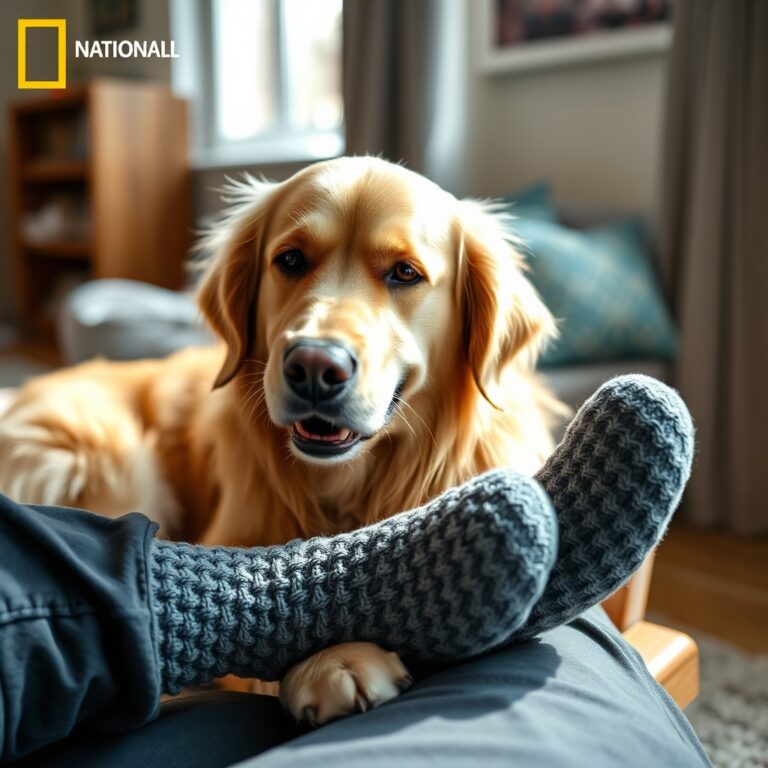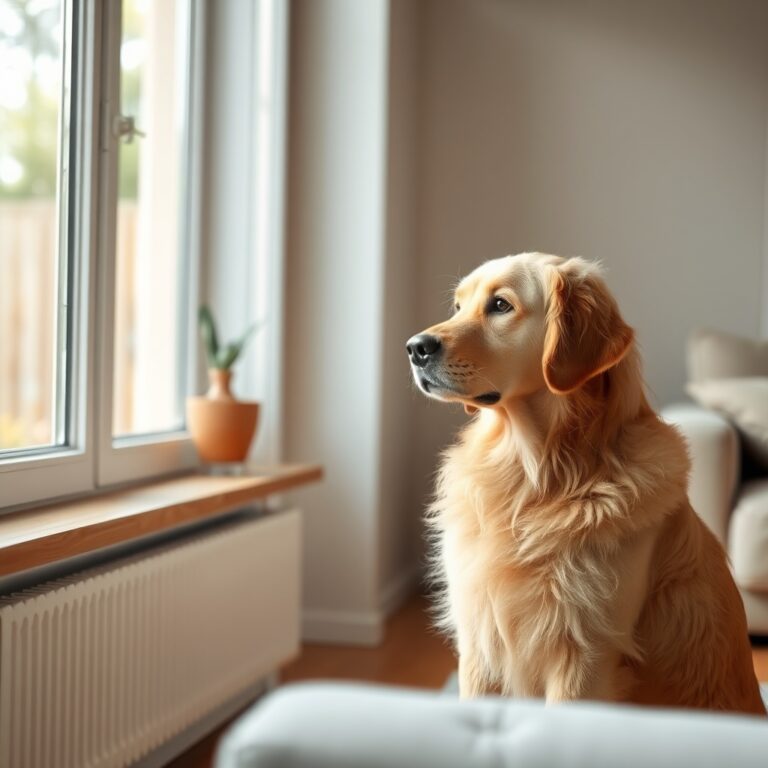

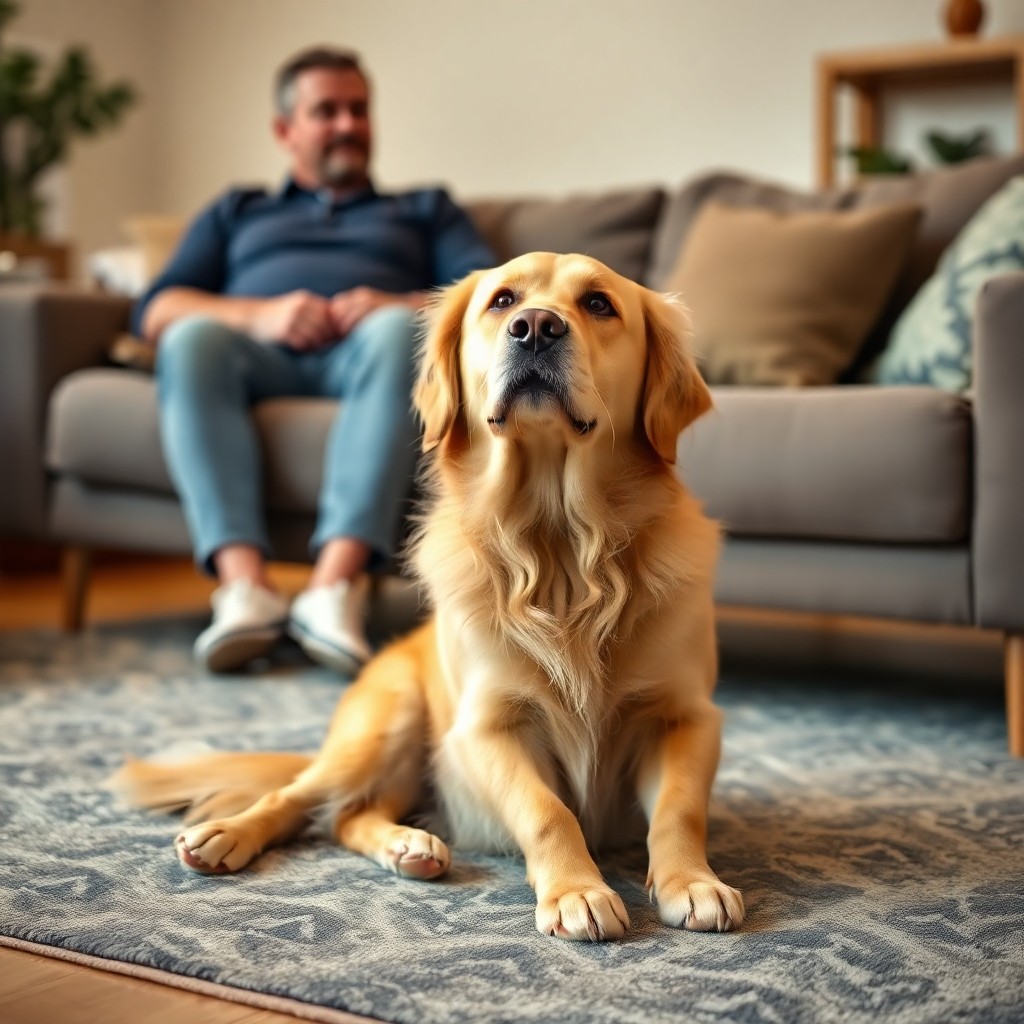
If you can’t walk to the kitchen, use the bathroom, or even shift on the couch without a loyal shadow right at your heels, you’re definitely not alone. While having a canine companion who treats you like the center of the universe is undeniably sweet, this constant shadowing isn’t always just a cute display of affection—sometimes, it’s a subtle signal that your dog is craving more mental enrichment or battling underlying stress.
Yes, it is entirely normal for a dog to follow you everywhere. In most cases, this ‘velcro’ behavior is driven by natural pack instincts, positive reinforcement, and a desire for companionship, though it can occasionally signal separation anxiety or boredom.
The Psychology of a ‘Velcro Dog’
To understand why your canine companion has become your shadow, we have to look at how dogs interact with their world. For your dog, you are the source of everything good: food, safety, playtime, and affection. This close bond is often built on several distinct drivers:
- The ‘Velcro’ Instinct: Some breeds, like Herding or Toy breeds (such as Shetland Sheepdogs, Chihuahuas, or Vizslas), are genetically predisposed to work closely with humans.
- Positive Reinforcement: Every time your dog follows you and receives a smile, a pat, or a dropped piece of food, you are training them to repeat the behavior.
- Natural Pack Behavior: Dogs are cooperative social animals. Staying close to the ‘pack leader’ provides a feeling of safety and security.
When ‘Sweet’ Becomes ‘Stress’: Healthy Bonding vs. Separation Anxiety
There is a fine line between a dog that loves your company and a dog that cannot function without you. Recognizing the difference is crucial for your pet’s emotional well-being.
Signs of Healthy Companionship
If your dog follows you but remains relaxed, lies down nearby without panting, and can easily settle when you leave the room, their behavior is perfectly healthy. They simply enjoy your presence.
Signs of Separation Anxiety
If your dog displays any of the following symptoms when you prepare to leave or when they are blocked from reaching you, they may be suffering from anxiety:
- Pacing, whining, or barking excessively when you change rooms.
- Panting, drooling, or showing dilated pupils when you pick up your keys.
- Destructive behavior near exit doors or windows.
- Refusing to eat or drink when you are not in the same room.
Step-by-Step Action Plan: How to Teach Your Dog Independence
If your dog’s shadowing behavior has become excessive or stressful, you can gently train them to feel safe spending time alone. Use these practical steps to build their confidence:
- Step 1: Master the ‘Stay’ Command. Start by asking your dog to stay while you take one step backward, then reward them. Gradually increase the distance until you can walk into another room out of sight before returning to reward them.
- Step 2: Desensitize Your Departure Cues. Pick up your keys, put on your shoes, or grab your coat without actually leaving. This breaks the association between these objects and your departure, reducing their anticipatory anxiety.
- Step 3: Create a Dedicated ‘Safe Zone’. Set up a comfortable bed or crate stocked with interactive puzzle toys or safe chew treats. Ensure they only get these high-value items when they are relaxing in their designated space.
- Step 4: Ignore Demands for Attention. If your dog follows you and immediately nudges your hand or whines for pets, quietly turn away. Wait until they sit calmly on their own before offering affection.
Common Training Mistakes to Avoid
Many well-meaning owners accidentally reinforce velcro behavior. Avoid these common pitfalls to ensure your training is effective:
- Making departures and arrivals a big deal: Saying long, emotional goodbyes or throwing exciting homecoming parties only highlights the contrast between your presence and absence. Keep departures and returns calm and low-key.
- Scolding or punishing your dog: Correcting your dog for following you or showing anxiety will only increase their stress levels, worsening the behavioral loop. Focus on rewarding calm, independent behavior instead.
- Neglecting mental stimulation: A bored dog is more likely to follow you simply because they have nothing else to do. Ensure they get daily physical exercise and mental puzzles to tire them out.
Frequently Asked Questions
Why does my dog follow me to the bathroom?
Dogs follow you to the bathroom because they do not have a concept of privacy and see you as their pack leader. When you are confined in one small space, it represents a highly predictable, captive opportunity for them to bond with you.
Does my dog follow me because they are protective?
While some guardian breeds follow owners to monitor their safety, most domestic dogs do it out of curiosity, companionship, or to see if your movement will lead to an interesting activity like a walk or a meal.
Can a velcro dog be cured?
Yes, velcro behavior can be managed and improved. By consistently reinforcing independence, using puzzle toys, and building their confidence through step-by-step distance training, you can help your dog learn to relax when they are alone.