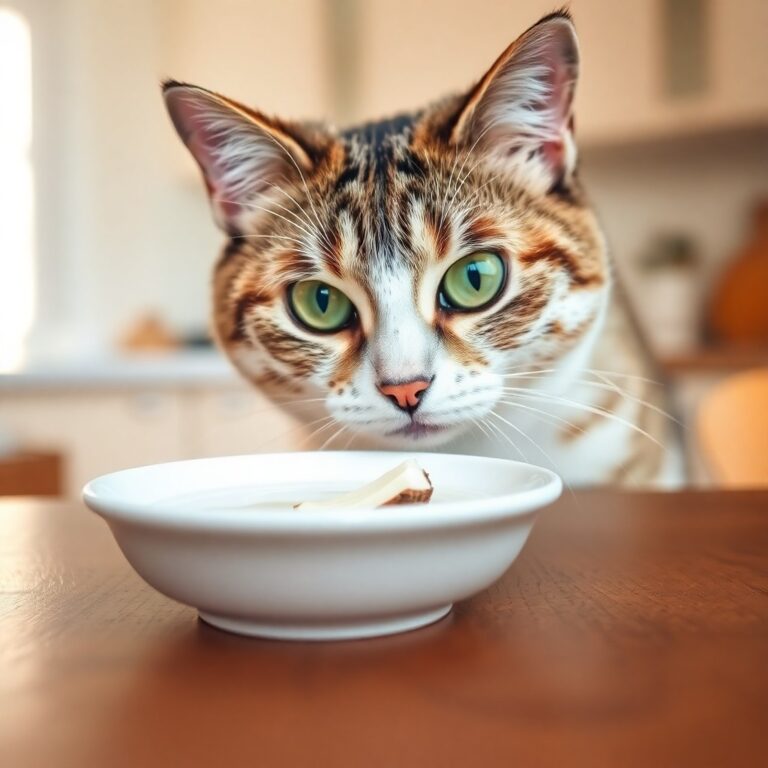

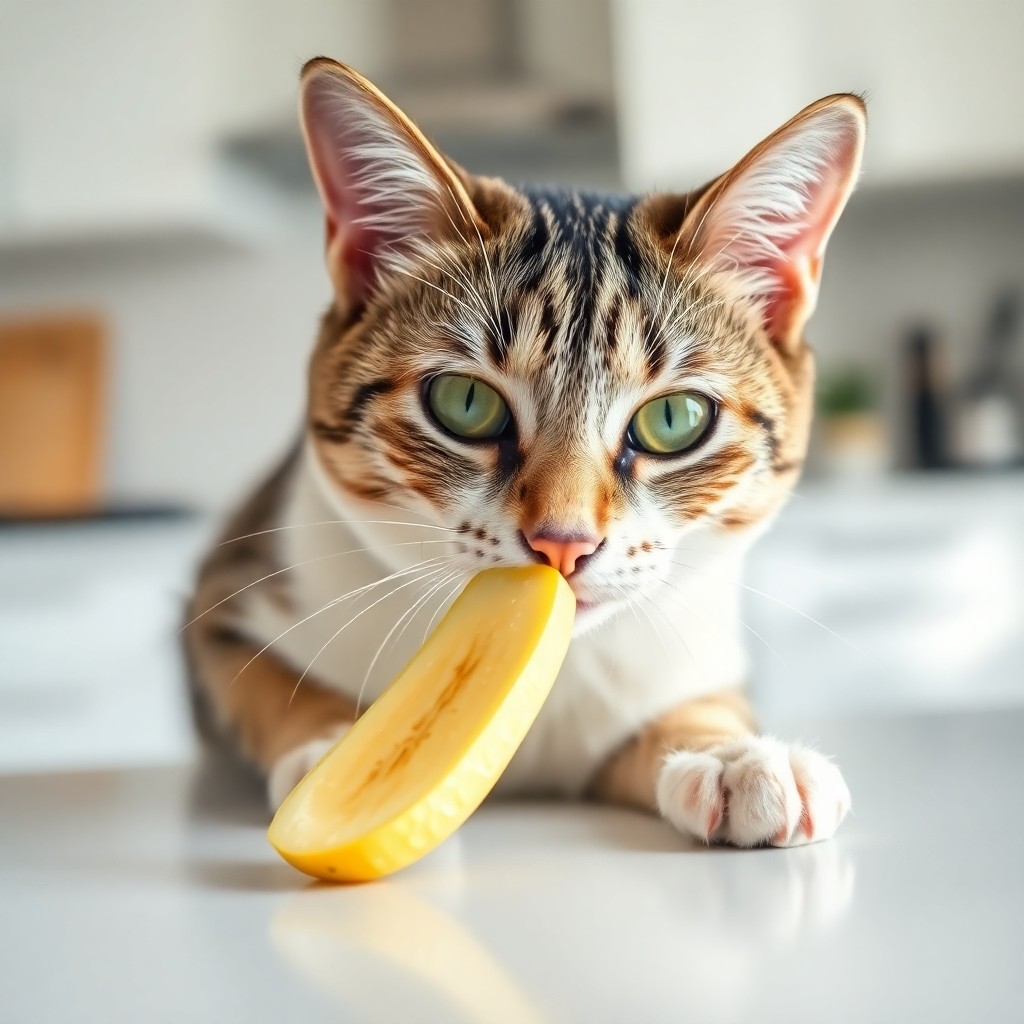
If your cat just took a curious nibble of your morning banana, there is no need to panic. While this sweet tropical fruit isn’t actually toxic to felines, it might not be the ideal, vitamin-packed snack you imagine for your furry friend.
Are Bananas Safe for Cats?
Can cats eat bananas? Yes, cats can safely eat bananas in very small quantities because the fruit is entirely non-toxic to felines. However, because cats are obligate carnivores, their bodies are designed to process animal protein, not plant matter or high-sugar fruits. While a tiny bite won’t harm your cat, bananas should never become a regular part of their diet.
The Nutritional Breakdown: Bananas vs. Feline Needs
Humans value bananas for their high potassium, vitamin B6, and fiber content. However, a cat’s nutritional requirements are drastically different from ours. Felines lack the specific enzymes required to digest large quantities of carbohydrates and sugars efficiently.
For owners, this means that while a banana contains beneficial nutrients in theory, your cat cannot digest or absorb them in a way that provides any real health benefits. They should already be getting all their essential nutrients from high-quality, biologically appropriate commercial cat food.
| Nutrient in Banana | Role in Human Health | Feline Dietary Reality |
|---|---|---|
| Sugar (Fructose) | Quick Energy Source | Hard to digest; can lead to obesity and diabetes. |
| Potassium | Supports Muscle & Heart Function | Already balanced in standard, high-quality cat food. |
| Dietary Fiber | Aids Digestion | Too much fiber can cause diarrhea or gas in felines. |
Potential Risks of Feeding Bananas to Cats
Before offering a slice of banana to your pet, it is crucial to understand the digestive and metabolic risks associated with feeding fruits to carnivores.
1. High Sugar Content and Obesity
Bananas are rich in natural sugars, specifically fructose. Cats do not possess sweet taste receptors, meaning they cannot even appreciate the sweetness of the fruit. Consuming high-sugar foods puts unnecessary strain on their pancreas and can contribute to weight gain, obesity, and feline diabetes over time.
2. Gastrointestinal Distress
A cat’s digestive tract is short and optimized for processing proteins and fats. Introducing fiber-rich and carbohydrate-heavy fruits can easily disrupt their delicate gut microbiome. This disruption typically manifests as stomach upset, vomiting, bloating, or diarrhea.
3. Choking Hazard
Large chunks of firm banana can easily become lodged in a cat’s narrow esophagus. Always mash or cut the fruit into tiny, manageable pieces if you decide to offer a taste.
How to Safely Feed Banana to Your Cat
If you still wish to share a taste of banana with your curious cat, strict portion control is necessary to prevent digestive upset. Follow these safety steps:
- Keep it tiny: Offer a piece no larger than the size of a fingernail (about a quarter of an inch).
- Remove the peel: Banana peels are completely indigestible to cats and present a severe choking and intestinal blockage hazard.
- Serve it fresh: Avoid feeding dried banana chips, as they are too hard to chew and often contain added artificial sugars or preservatives.
- Monitor for reactions: After feeding a tiny bite, observe your cat for the next 24 hours for signs of lethargy, vomiting, or loose stools.
Frequently Asked Questions
Can cats eat banana bread?
No, cats should not eat banana bread. Banana bread contains high amounts of added sugar, butter, flour, and sometimes toxic ingredients like raisins or chocolate, which can cause severe illness in cats.
Can cats eat frozen bananas?
Yes, cats can eat a tiny bite of frozen banana, but the cold temperature might startle them or cause mild tooth sensitivity. Ensure it is mashed or chopped into minuscule pieces before serving.
Are banana leaves toxic to cats?
No, banana leaves are non-toxic to cats. However, if your cat chews on them, the tough fibers can still cause mild vomiting or drooling due to physical irritation of the stomach lining.