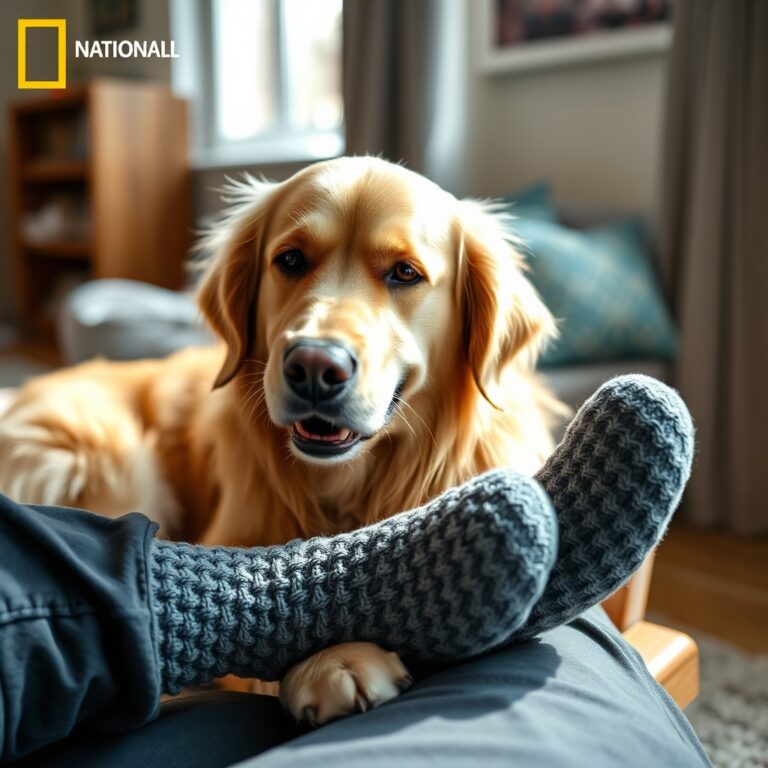


If your normally independent pup has suddenly turned into your shadow, it’s easy to write it off as an extra dose of affection. But when a dog’s clinginess appears out of nowhere, it’s rarely just about wanting a cuddle. That sudden shift in behavior is usually a subtle SOS, pointing toward hidden stress, a changing routine, or a health issue that needs a closer look.
A dog suddenly demanding more attention is usually reacting to environmental changes, age-related anxiety, physical discomfort, or positive reinforcement of attention-seeking behaviors. Understanding the root cause requires analyzing recent schedule shifts or physical signs of stress.
Decoding the Sudden Shift: Key Causes
Before you can address your dog’s newfound clinginess, you must identify what is triggering it. Dogs communicate their internal state through actions, and a sudden change is always a reaction to an internal or external shift.
1. Environmental Stress and Schedule Changes
Dogs thrive on predictability. If you have recently changed your work hours, welcomed a new roommate, moved furniture, or even experienced personal stress, your dog feels the shift. They may cling to you as a secure anchor in an environment that suddenly feels unpredictable.
2. Underlying Pain or Medical Issues
When dogs do not feel well, they handle it in one of two ways: they hide, or they seek constant reassurance from their trusted human. Subtle pain from arthritis, dental issues, or an upset stomach can cause your dog to stay glued to your side, looking for comfort and safety.
3. Age-Related Cognitive Changes
If you have an older dog, sudden clinginess can be an early sign of Canine Cognitive Dysfunction (CCD), which is similar to dementia in humans. As their mental clarity declines, senior dogs often experience increased confusion and anxiety, leading them to seek constant physical proximity to their owners for reassurance.
4. Boredom and Lack of Stimulation
Sometimes the explanation is straightforward: your dog has too much leftover energy. If their physical exercise or mental stimulation has dropped recently, they will resort to nudging, whining, and pawing at you simply because they have nothing else to do.
5. Accidental Reinforcement
It is incredibly easy to teach a dog to demand attention. If your dog nudges your hand and you immediately look at them, talk to them, or pet them, you have just rewarded the behavior. Even minor interactions, like pushing them away or saying ‘no,’ can be interpreted by a bored dog as a successful bid for attention.
Step-by-Step Action Plan to Manage Clingy Behavior
To help your dog regain their independence and peace of mind, follow this structured training approach. This plan addresses both the emotional cause and the physical habit of demanding attention.
- Step 1: Rule Out Medical Issues First. Schedule a veterinary checkup to ensure the sudden behavior shift isn’t caused by pain, vision loss, or cognitive decline.
- Step 2: Ignore Demanding Behavior. When your dog whines, paws, or barks at you for attention, turn your back, cross your arms, and look away. Do not look at, speak to, or touch your dog until they calm down.
- Step 3: Reward Calm Independence. Catch your dog being good. If your dog is lying quietly on their bed across the room, walk over and calmly reward them with a treat or gentle praise. This teaches them that quiet, independent behavior is what actually gets rewarded.
- Step 4: Build a Structured Routine. Keep feeding, walking, and playtimes at the same time every day. Predictability lowers overall anxiety, making your dog less likely to cling to you out of uncertainty.
- Step 5: Increase Mental Stimulation. Introduce puzzle toys, sniffing games, and interactive feeders. Mental workout tires a dog out faster than physical exercise alone, helping them relax independently.
Common Mistakes Owners Make with Clingy Dogs
Correcting this behavior requires consistency. Avoid these common pitfalls to prevent reinforcing the very habits you want to stop:
- Punishing the behavior: Yelling at your dog for whining or nudging will only increase their anxiety, which in turn makes them seek even more reassurance from you.
- Giving in to ‘just one pet’: Consistently ignoring the behavior for ten minutes only to give in when the whining gets louder teaches your dog that persistence pays off.
- Neglecting mental health: Assuming a quick walk is enough physical exercise. Active minds need structured tasks to keep from turning into attention-seeking behaviors.
Frequently Asked Questions
Could my dog’s clinginess be a sign of separation anxiety?
Yes, sudden clinginess can be a precursor to separation anxiety. If your dog paces, drools, whines, or becomes destructive when you prepare to leave the house, they are likely experiencing separation-related distress rather than simple attention-seeking behavior.
How long does it take to correct attention-seeking behaviors?
With consistent training and a stable routine, you should see improvements within two to three weeks. However, if the behavior is linked to medical issues or age-related decline, the timeline will depend entirely on managing the underlying health conditions.