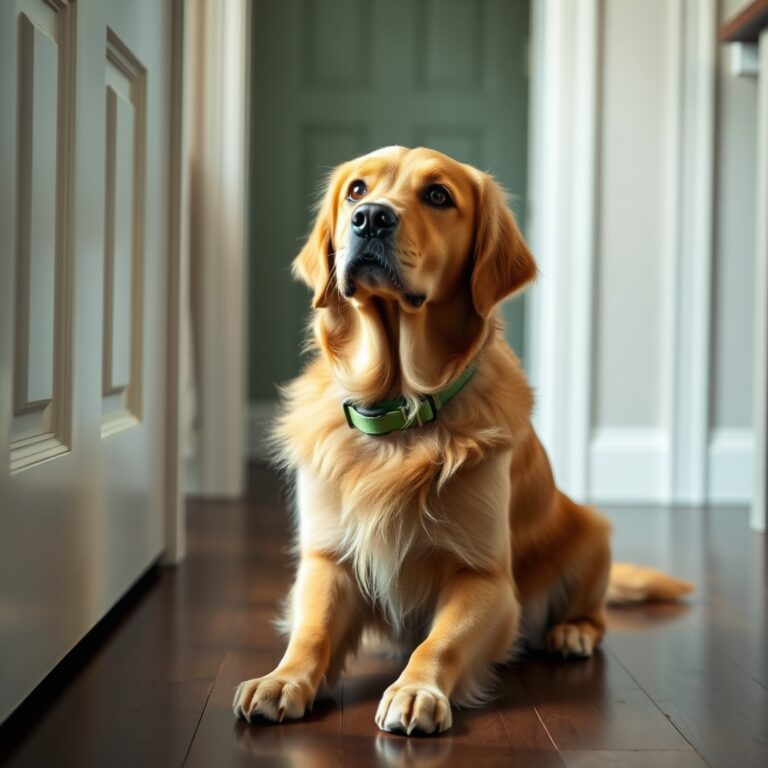

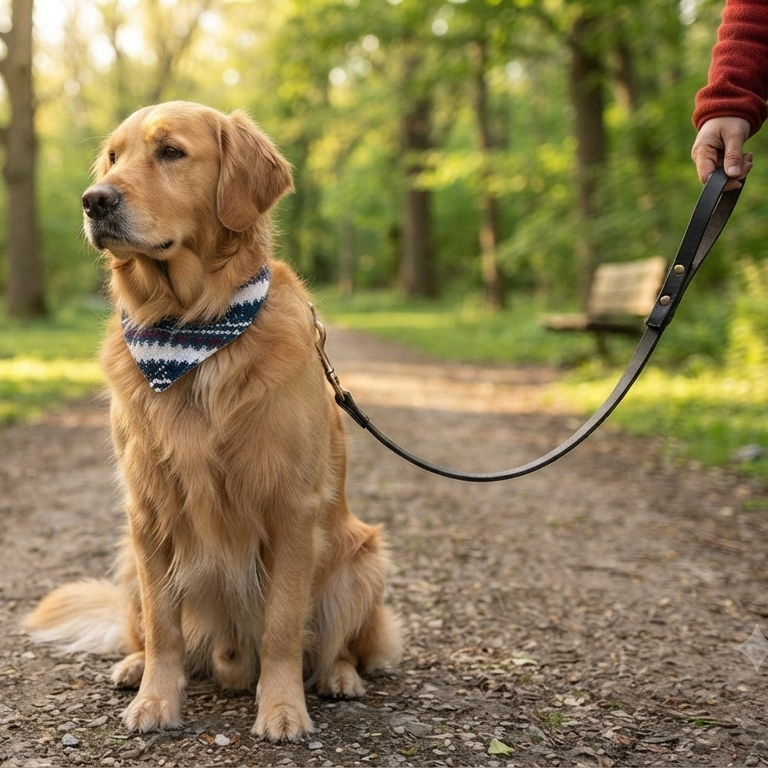
You are halfway down the block when your dog suddenly drops anchor, transforming four pounds of leash resistance into an immovable boulder. Instead of the usual brisk pace, you are left standing on the sidewalk, tugging gently while wondering what invisible force just brought your walk to a dead stop. This baffling pause isn’t just stubbornness; it is your dog’s way of communicating something important about their environment, health, or state of mind.
Dogs suddenly stop during walks due to physical fatigue, pain, environmental fear, sensory overload, or because they have learned that freezing is an effective way to control the walk or earn attention. Identifying the exact trigger is essential to modify the behavior without causing psychological stress or physical injury.
Root Causes Behind the Sudden Freeze
To fix the behavior, you must first play detective. Dogs do not stop without a reason; their pause is a direct form of communication. Here are the most common catalysts for a sudden stop on a walk:
- Physical Pain or Discomfort: Hidden injuries, torn nails, paw pad cuts, hot pavement, or joint pain (like arthritis) can cause a dog to stop abruptly to prevent further discomfort.
- Sensory Overload: A dog’s sense of smell is up to 100,000 times more sensitive than a human’s. They might catch a scent trail or hear a high-pitched sound that is completely imperceptible to you, causing them to freeze and process the information.
- Fear and Environmental Triggers: A garbage truck, a fluttering tarp, a strange statue, or even a past negative experience at a specific spot can trigger a fear response. Freezing is part of the ‘fight, flight, or freeze’ instinctual spectrum.
- Energy Depletion: Puppies and senior dogs have limited stamina. A sudden stop may simply mean their physical battery is completely drained.
- Learned Behavior: If your dog stops, and you immediately turn around, look at them, pet them, or offer treats to get them moving, they quickly learn that halting yields high-value attention.
How to Respond When Your Dog Freezes
Your immediate reaction dictates whether the behavior escalates or resolves. Avoid turning the walk into a physical tug-of-war. Instead, apply these practical tactical steps to encourage movement:
Check for Immediate Physical Issues
Before assuming the behavior is behavioral, do a quick physical check. Examine their paws for thorns, glass, or salt ice-melts. Look at their gait for any signs of limping, and feel their muscles gently to check for pain responses.
Change Your Angle and Direction
Pulling straight ahead against a stubborn dog triggers their opposition reflex—an instinctual drive to pull in the opposite direction. Instead, take a step to the side, change your angle, or walk in a small circle. This disrupts their physical stance and naturally encourages them to step forward to regain balance.
Create a High-Value Lure
Do not use standard kibble for outdoor training. Carry smelly, high-value rewards like freeze-dried liver, small pieces of cheese, or hot dogs. Hold the treat near their nose and take a few steps backward, inviting them to follow the scent trail.
Common Mistakes to Avoid
When dealing with a halting dog, many well-meaning owners accidentally reinforce the bad behavior or create negative associations with the leash. Avoid these common pitfalls:
- Do not yank or drag: Pulling hard on a collar can cause tracheal damage, especially in smaller breeds, and builds a negative association with walks.
- Avoid scolding: Raising your voice or showing frustration increases stress, making a fearful dog even more reluctant to explore.
- Stop rewarding the stop: Do not offer a treat while your dog is actively resisting. Wait until they take at least two or three voluntary steps forward before delivering the reward.
- Do not ignore environmental cues: If your dog stops at the same corner every day, look around. There may be a loud air conditioner, a reactive dog behind a fence, or another stressor you are overlooking.
A Simple Training Plan to Keep Your Dog Moving
To prevent stops on future walks, implement a structured training routine during your daily outings. Start by teaching a reliable ‘Let’s Go’ cue in low-distraction environments like your living room.
Say ‘Let’s Go’ in an upbeat voice, take a step forward, and immediately reward your dog when they follow. Slowly transition this training to your backyard, then to quiet streets, and finally to busier areas. Combine this command with loose-leash training, keeping the leash in a relaxed ‘U’ shape to reduce physical tension. By rewarding active forward momentum rather than trying to fix a freeze after it happens, you build a positive association with continuous movement.
When to Consult a Veterinarian
If your dog’s halting behavior is new, sudden, or accompanied by physical symptoms, schedule a veterinary examination. Conditions like hip dysplasia, patellar luxation, arthritis, or cardiovascular issues can make walking painful or exhausting. A professional medical assessment ensures you are not treating a physical ailment as a behavioral problem.
Frequently Asked Questions
Why does my dog stop and stare at nothing?
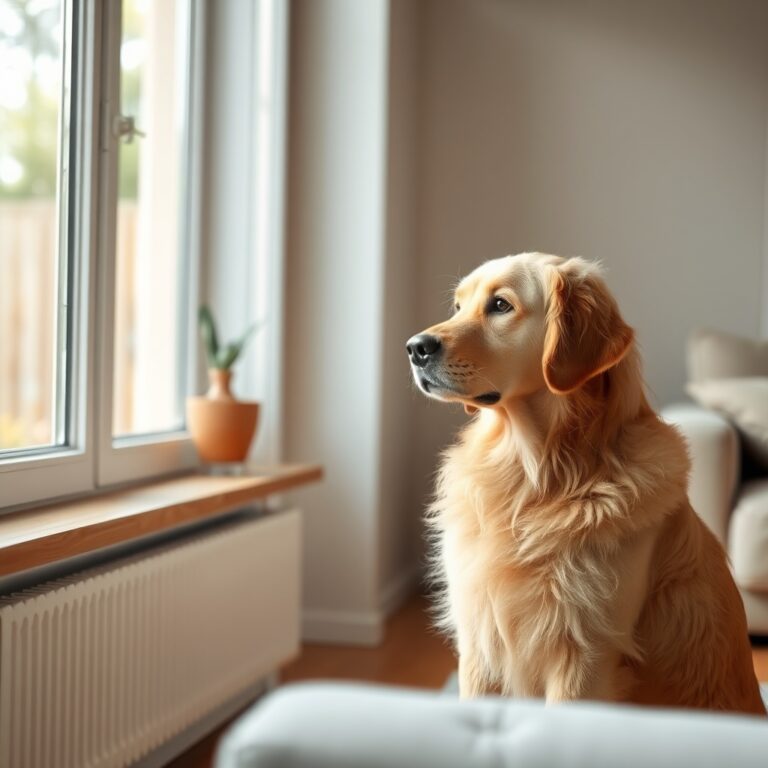
Your dog is likely focusing on a sound or scent that you cannot perceive. Their advanced hearing can pick up underground vibrations, distant wild animals, or high-frequency sounds from electronic devices.
Should I carry my dog home if they refuse to walk?
Only carry your dog if you suspect they are injured, overheated, or in pain. Carrying a healthy dog because they refuse to walk teaches them that stopping results in a free ride, which strongly reinforces the stalling behavior.