
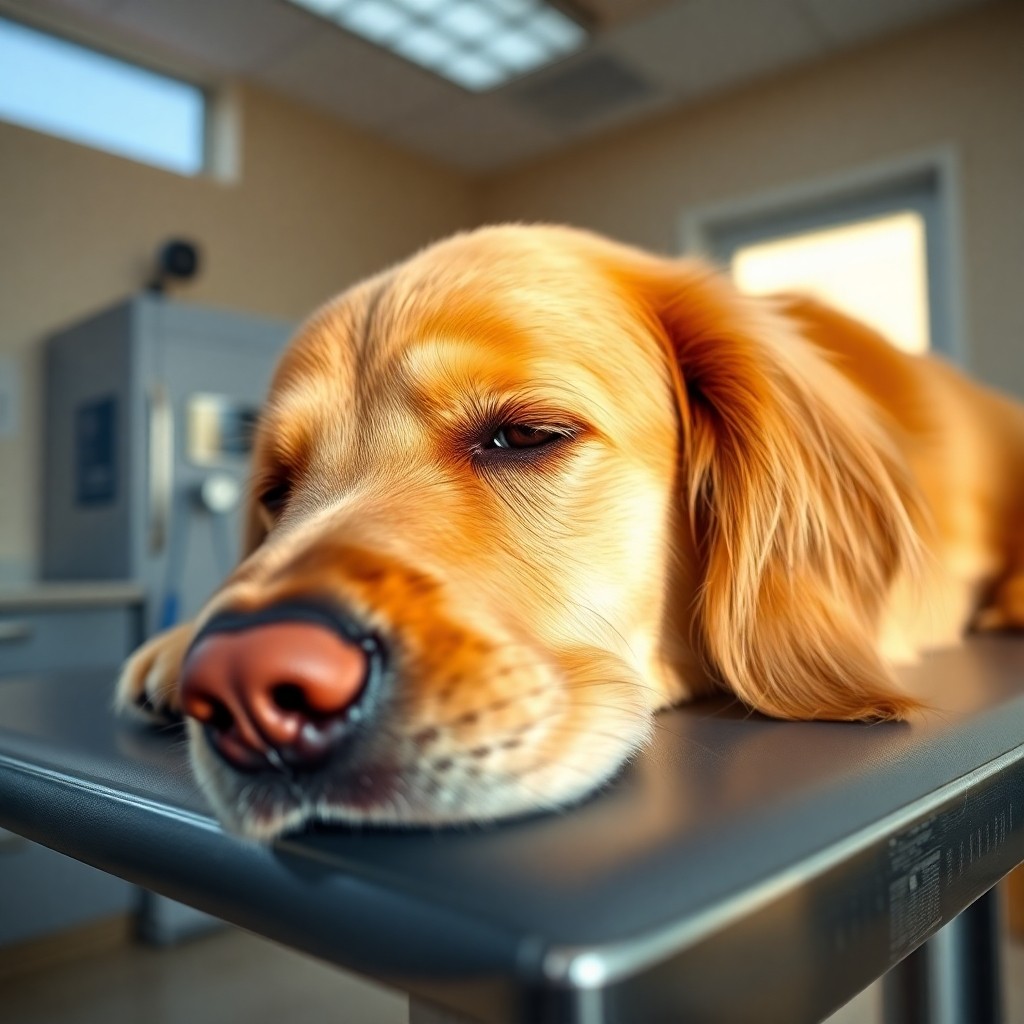
Catching your dog in the middle of a nap with their eyes cracked open can be a genuinely eerie experience, especially when you can see the whites or even a bit of pupil staring blankly back at you. While this slightly unnerving habit is usually just a quirky side effect of how dogs are wired to sleep, it can occasionally point to a medical issue that warrants a closer look from your veterinarian.
Most dogs sleep with their eyes partially open due to a protective anatomical feature called the nictitating membrane (third eyelid) or during the deep dreaming phase of REM sleep. However, if the eyes remain wide open without blinking, or are accompanied by intense twitching, it may indicate a medical condition such as lagophthalmos or a seizure.
Anatomy of Canine Sleep: The Third Eyelid Explained
To understand why dogs sleep with their eyes open, one must first look at their unique ocular anatomy. Unlike humans, dogs possess three eyelids. The upper and lower eyelids are visible externally, but the third eyelid, biologically known as the nictitating membrane, remains hidden at the inner corner of the eye when the dog is awake and alert.
During sleep, the eyeball retracts slightly into the socket. This movement triggers the nictitating membrane to sweep horizontally across the cornea, acting as a physical barrier against debris while keeping the eye lubricated. For owners, this means that even if a dog’s outer eyelids are partially open, the sensitive cornea is often completely covered and protected by this translucent membrane, which can look like a white or pinkish film.
Normal Reasons Your Dog Sleeps With Eyes Open
In the vast majority of cases, a dog sleeping with open eyes is experiencing completely normal physiological processes. These are typically divided into two primary categories:
1. REM Sleep Cycle and Dreaming
Just like humans, dogs cycle through different stages of sleep, including Rapid Eye Movement (REM). During the REM phase, brain activity spikes as the dog processes memories and dreams. The muscles in the body relax, but small, involuntary twitches of the paws, whiskers, and eyelids are very common. During this phase, the eyelids may flutter open slightly, exposing the third eyelid or a portion of the white sclera.
2. Evolutionary Adaptation
As pack animals and natural predators, wild canines evolved to remain vigilant even during rest. Sleeping with the eyelids slightly parted allowed ancestors of domestic dogs to detect sudden changes in light and movement, providing a critical defensive advantage. Some modern breeds still retain this active threat-detection response during light sleep phases.
When It Points to a Medical Issue
While occasional open-eyed sleeping is normal, certain conditions can prevent a dog from physically closing its eyes, leading to chronic exposure, irritation, and damage to the ocular surface.
Lagophthalmos
Lagophthalmos is a clinical condition characterized by the inability to close the eyelids fully. This is especially prevalent in brachycephalic (flat-faced) breeds such as Pugs, French Bulldogs, and Shih Tzus. Because of their shallow eye sockets and prominent eyeballs, their eyelids often cannot stretch completely over the eye during sleep.
For owners, this means the central cornea remains constantly exposed to the air. Over time, lagophthalmos leads to dry eye (keratoconjunctivitis sicca), corneal ulcers, scarring, and potential vision loss if left untreated by a veterinary ophthalmologist.
Neurological Conditions and Seizures
If a dog is sleeping with its eyes wide open and the body becomes rigid, or if the eye twitching is violent rather than gentle, it may not be sleeping at all. Neurological disorders, facial nerve paralysis, or focal seizures can mimic open-eyed sleeping. A key differentiator is the dog’s ability to wake up; a dreaming dog will wake up when gently called or touched, whereas a dog experiencing a seizure or neurological event will remain unresponsive and may display jaw clamping, excessive salivation, or involuntary vocalizations.
Key Differences: Normal Sleep vs. Medical Concern
The following table serves as a diagnostic guide to help differentiate between benign sleeping patterns and conditions that require veterinary evaluation (AAHA):
| Symptom/Behavior | Normal REM Sleep | Pathological Issue (Lagophthalmos/Seizure) |
|---|---|---|
| Eye Position | Partially open, third eyelid visible. | Wide open, staring, cornea fully exposed and dry. |
| Physical Movement | Gentle twitching of paws, muzzle, or tail. | Rigid limbs, violent shaking, or total muscle locking. |
| Arousability | Wakes up quickly when called or nudged. | Completely unresponsive to external stimuli. |
| Post-Waking State | Alert, calm, and oriented. | Confused, disoriented, or showing signs of pain. |
What to Do: Practical Guidance for Pet Owners
If you notice your dog sleeping with its eyes open, implement these steps to monitor their health and ensure their safety:
- Do Not Wake Them Abruptly: Startling a dog out of REM sleep can trigger an involuntary startle reflex, potentially leading to accidental biting or extreme anxiety. If you must wake them, softly call their name from a safe distance.
- Check for Corneal Moisture: Observe your dog’s eyes when they wake up. If you notice redness, discharge, squinting, or if your dog constantly rubs their eyes against the carpet, their eyes may be drying out during sleep.
- Record the Behavior: If you suspect your dog is experiencing seizures or lagophthalmos, take a high-quality video of the episode. Sharing this footage with a veterinarian is highly valuable for accurate clinical diagnosis.
References
American Animal Hospital Association (AAHA). Guidelines on Canine Neurology and Ocular Health Protocols.
World Small Animal Veterinary Association (WSAVA). Breed-Specific Brachycephalic Ocular Syndrome Standards.