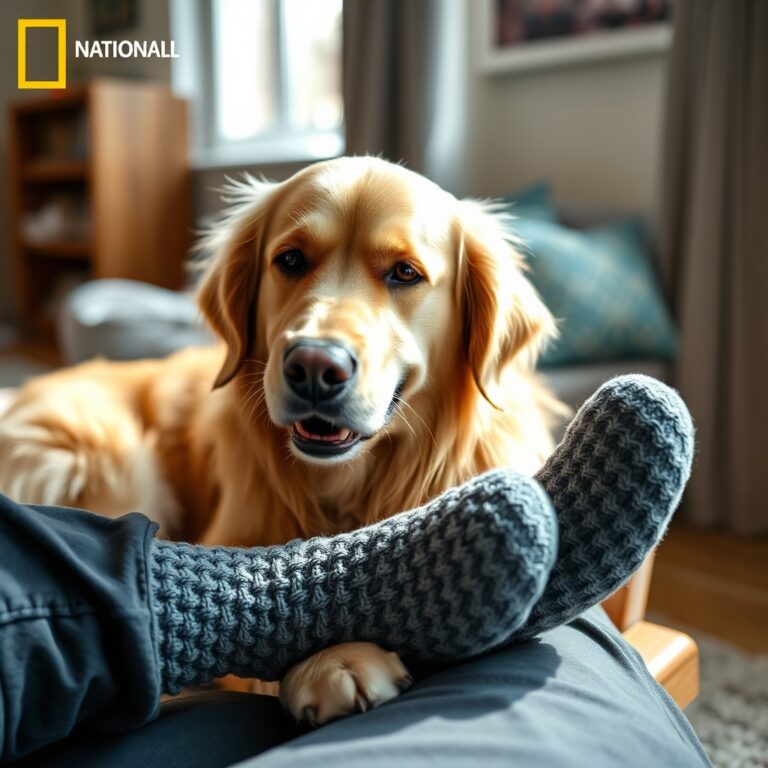


When your dog presses their entire body against yours the moment they drift off to sleep, it feels like a simple gesture of affection. But that furry weight pinning you to the mattress is actually a direct line into canine instinct, vulnerability, and communication, revealing a lot more about how your dog views their place in your pack.
Dogs sleep touching you primarily due to their ancestral pack instinct for warmth and protection, deep emotional bonding, and a desire for physical security. This physical contact triggers the release of oxytocin, reinforcing their connection with you as their trusted protector.
The Core Reasons Your Dog Sleeps Pressed Against You
Understanding this behavior requires looking at both ancestral biology and modern domestic psychology. Dogs are highly social creatures, and their sleep habits reflect their evolutionary journey.
- Ancestral Security and Protection: In the wild, wild canids sleep in tight packs to protect themselves from predators. Sleeping back-to-back or side-by-side ensures that there are no blind spots, allowing the pack to alert each other of danger instantly. By touching you, your dog is securing their vulnerable sleeping state.
- Thermoregulation (Body Heat): Puppies rely entirely on their mother and littermates for warmth during their first few weeks of life. This instinctual drive to seek warmth remains in adult dogs. Your body heat is a comforting source of thermal regulation.
- Emotional Bonding and Oxytocin: Physical contact triggers a surge of oxytocin, often called the ‘love hormone’, in both you and your dog. This chemical feedback loop lowers stress levels, slows heart rates, and deepens the emotional connection between species.
- Scent and Comfort: Your distinct scent is highly reassuring to your dog. Sleeping close to you allows them to fully immerse themselves in your scent, which acts as a natural sedative for anxious canine minds.
Deciphering Your Dog’s Sleep Positions
The exact way your dog chooses to position themselves against your body can tell you a lot about their current state of mind and trust levels.
The Back-to-Back Press
When a dog sleeps with their back pressed against yours, it is a sign of ultimate trust and respect. In canine body language, turning their back to you shows they feel completely safe in your presence, trusting you to watch their blind spot while they sleep.
The Head-on-Foot Rest
Resting their chin or paws on your feet keeps them physically connected while allowing them to monitor your movements. If you decide to stand up, they will immediately feel the shift and wake up, ensuring they do not miss any of the action.
The Full Body Spoon
If your dog curls up tightly against your chest or stomach, they are seeking maximum physical comfort and security. This position is common in smaller breeds or dogs that experience minor situational anxiety, as it makes them feel entirely shielded.
When Physical Closeness Indicates an Issue
While sleeping close is usually a healthy sign of affection, there is a fine line between healthy bonding and behavioral dependency. If your dog cannot rest unless they are physically touching you, they might be experiencing separation anxiety.
Watch for signs of hyper-attachment, such as whining when you move away, destructive behavior when left alone, or extreme pacing. If these behaviors occur, it is vital to teach your dog that resting independently is safe and rewarding.
How to Establish Healthy Sleep Boundaries
If you prefer to reclaim your bed space without damaging your bond with your dog, you can transition them to their own sleeping area using this step-by-step training approach.
- Step 1: Set up a dedicated bed: Place a high-quality orthopedic dog bed right next to your bed. Make it highly appealing by placing an old t-shirt you have worn inside it so your scent remains close.
- Step 2: Command association: Encourage your dog to step onto their new bed using a cue like ‘go to your spot’. Reward them immediately with a high-value treat when all four paws are on the bed.
- Step 3: Gradually increase distance: Once your dog happily stays in their bed while you are next to them, reward them for staying there for longer periods. Avoid letting them jump back into your bed during the training phase to prevent mixed signals.
- Step 4: Use calm reinforcement: If your dog tries to climb back onto your bed in the middle of the night, calmly and gently guide them back to their own bed without showing anger or excessive excitement. Consistency is key to establishing this boundary.
Frequently Asked Questions
Should I let my dog sleep touching me?
If neither you nor your dog is experiencing disrupted sleep, and your dog does not show signs of resource guarding or separation anxiety, there is no medical or behavioral reason to stop them from sleeping next to you. It is a personal preference that can strengthen your bond.
Why does my dog sleep touching me instead of my partner?
Dogs often choose to sleep closest to the person they perceive as their primary caregiver or the individual who provides them with the strongest sense of security and daily routine. They may also simply prefer the sleeping patterns, body heat, or specific scent of one partner over the other.
Does sleeping together cause behavior problems?
Sleeping with your dog does not cause behavioral issues like aggression or dominance. However, if your dog already has a predisposition to resource-guarding behavior, allowing them on the bed can reinforce their desire to guard the bed as their exclusive territory.