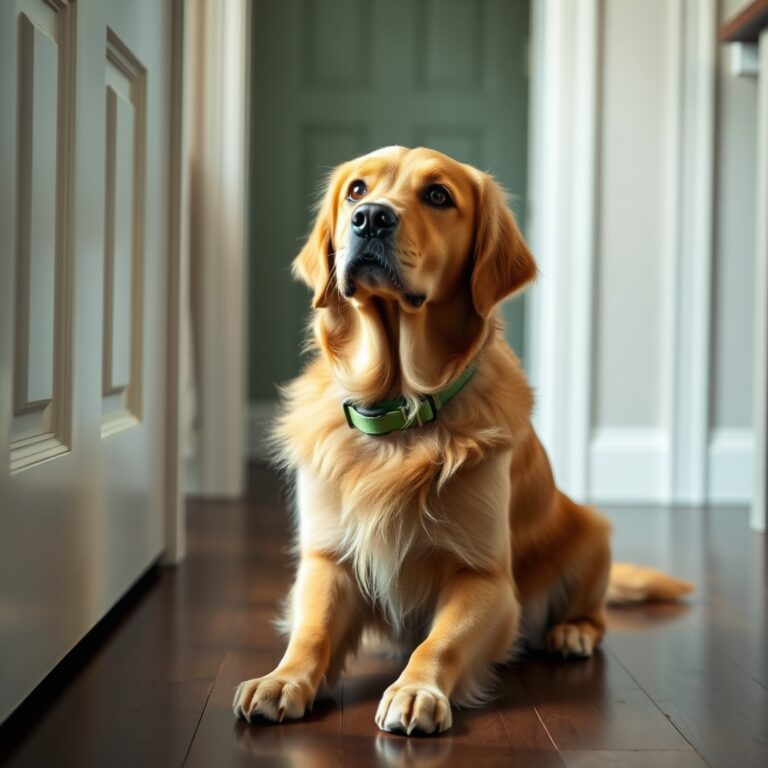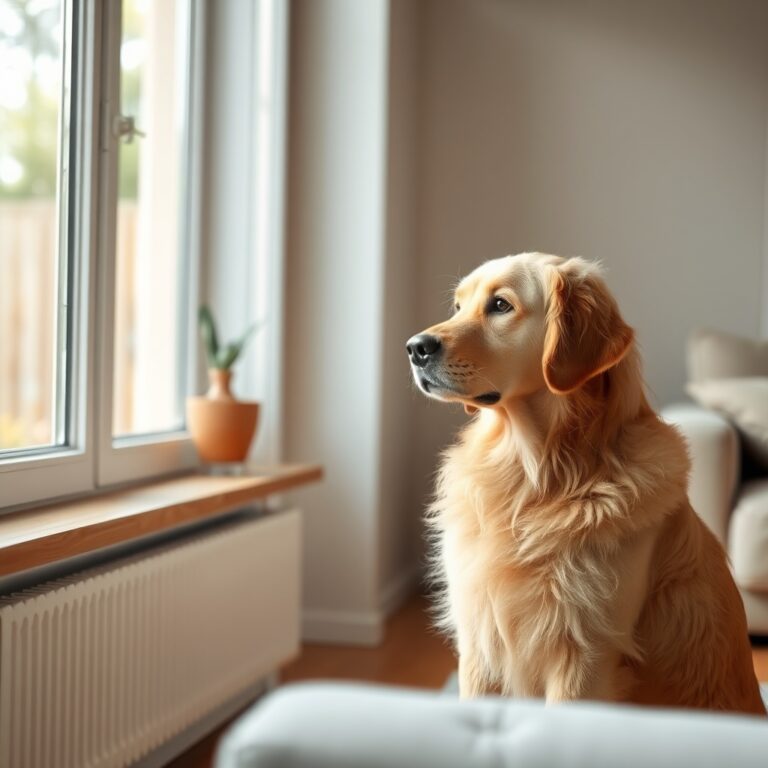

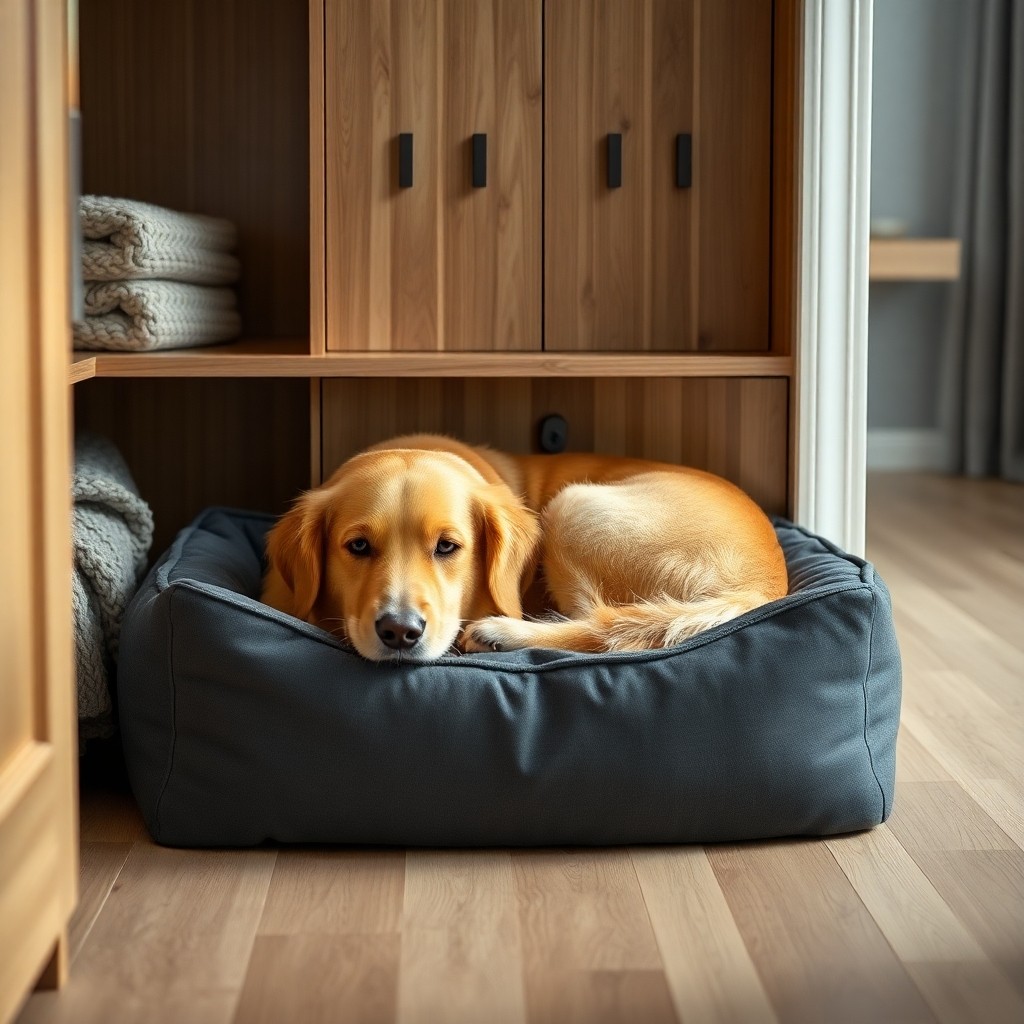
Finding your dog curled up asleep among your shoes in the dark corner of the closet might seem a little strange at first glance. But rather than a sign of stubbornness or distress, retreating to this cramped, enclosed space is actually a deeply calculated move driven by your canine companion’s natural instincts.
Dogs sleep in the closet because it mimics a natural, secure ‘den’ that offers sensory protection from noise, regulates temperature, and smells comforting due to your clothing. This behavior is typically a benign comfort-seeking mechanism, though a sudden shift to closet-sleeping can point to underlying stress, fear, or physical illness.
The Psychology of the Closet: The Denning Instinct
To understand why your dog seeks out the dark, cramped spaces of your wardrobe, you have to look at their evolutionary history. Long before dogs slept on memory foam mattresses, their wild ancestors relied on small, enclosed spaces to survive. In the wild, open spaces represent vulnerability to predators, especially during vulnerable states like sleep.
A closet acts as a modern-day den. With walls on three sides and a single, narrow entry point, it allows your dog to relax without needing to guard multiple directions at once. The darkness of a closet also triggers the release of melatonin, helping anxious or high-strung dogs self-soothe and wind down after a long day.
Key Reasons Your Dog is Snuggling in Your Closet
1. Sensory Deprivation and Anxiety Relief
Our homes are full of sensory stimuli that can overwhelm a dog’s highly sensitive hearing and vision. The hum of the refrigerator, the glare of the television, or the sudden boom of thunderstorms and fireworks can send your pet into a state of sensory overload. The closet, heavily insulated by drywall and hanging clothes, acts as a natural soundproofing chamber where they can escape the noise.
2. The Comfort of Your Scent
Dogs navigate the world primarily through their sense of smell. Your closet is a treasure trove of your unique scent, packed with worn shirts, jackets, and shoes. If your dog struggles with separation anxiety, sleeping in the closet allows them to feel physically close to you even when you are out of the house. The familiar scent acts as a powerful psychological pacifier.
3. Temperature Regulation
Depending on the season and your flooring, closets can offer a perfect microclimate. In the heat of the summer, a closet with hardwood or tile flooring remains significantly cooler than carpeted rooms. Conversely, in the winter, a small walk-in closet filled with soft fabrics can trap body heat, keeping a shivering, short-coated dog warm and cozy.
4. Pain, Sickness, or Vulnerability
When dogs feel physically unwell, their natural instinct is to hide. In the wild, a sick pack member is a target. If your dog suddenly starts sleeping in the closet and refuses to come out, they may be dealing with joint pain, an upset stomach, or cognitive decline. This self-isolation is a protective response to prevent any perceived threats while they heal.
Common Mistakes Owners Make with Closet Hiders
Helping your dog feel secure requires patience. Avoid these common missteps when dealing with a closet-dwelling pet:
- Forcing them out: Dragging your dog out of their safe space can trigger defensive aggression or escalate their anxiety. Instead, lure them out gently with high-value treats.
- Punishing the behavior: Treating the closet search as a behavioral problem will only break trust. Your dog is trying to cope, not defy you.
- Ignoring sudden changes: If a social, outgoing dog suddenly retreats to the closet permanently, do not assume they just found a new favorite spot. Schedule a veterinary checkup immediately.
- Blocking access without an alternative: Simply closing the closet door without providing a comparable safe space will only cause your dog to scratch at the door or find another, potentially less safe, hiding spot.
How to Build a Better Safe Haven
If you prefer to keep your clothes dog-hair free, you must provide a desirable alternative that checks all the same boxes as your closet. Start by setting up a wire or plastic crate in a quiet corner of your bedroom or living room. Cover the top and sides of the crate with a heavy blanket to simulate the dark, cozy feel of the closet, leaving only the entrance exposed.
Inside this new sanctuary, place a piece of your recently worn clothing, such as an old t-shirt, alongside their favorite bed. Reward your dog with praise and treats whenever they choose to step inside this alternative den voluntarily. Over time, they will associate this designated space with safety and comfort, gradually weaning themselves off your shoe pile.
Frequently Asked Questions
Is it bad to let my dog sleep in the closet?
Generally, no. If your dog is healthy, happy, and simply enjoys the quiet, dark space, there is no harm in letting them sleep there. However, make sure the closet is safe, free of hazardous household chemicals, mothballs, or small swallowable items like loose buttons and coins.
Could my dog be sleeping in the closet because they are sick?
Yes. If the behavior is sudden and accompanied by other signs such as lethargy, loss of appetite, whimpering, or panting, your dog may be isolating themselves due to pain or illness. Consult your veterinarian for a thorough physical exam.
How do I know if my dog has separation anxiety?
If your dog only sleeps in the closet when you are gone, and shows other behaviors like destructive chewing near doors, excessive barking, or drooling while you are away, they likely suffer from separation anxiety. Working with a professional positive-reinforcement behaviorist can help resolve this issue.