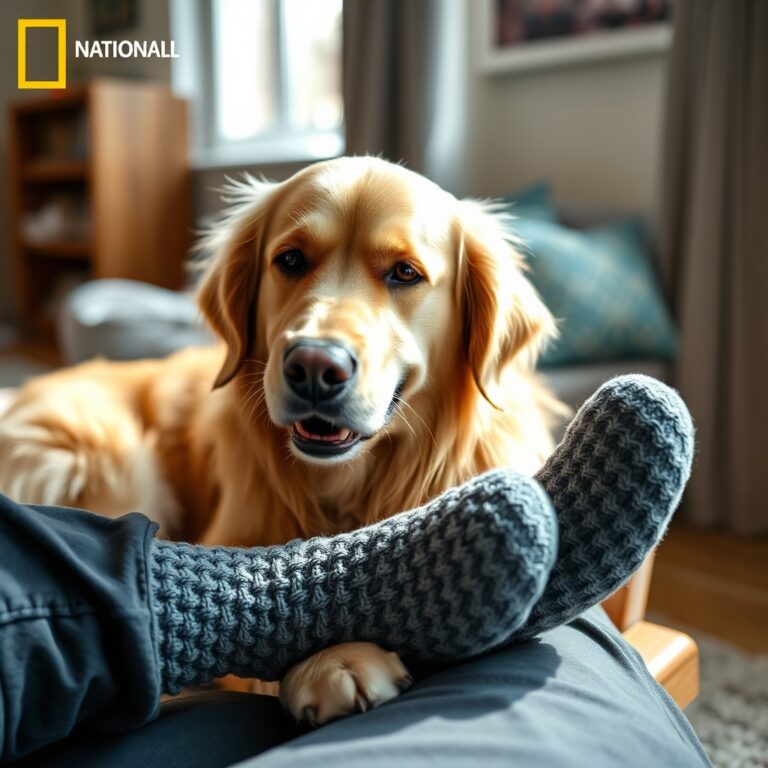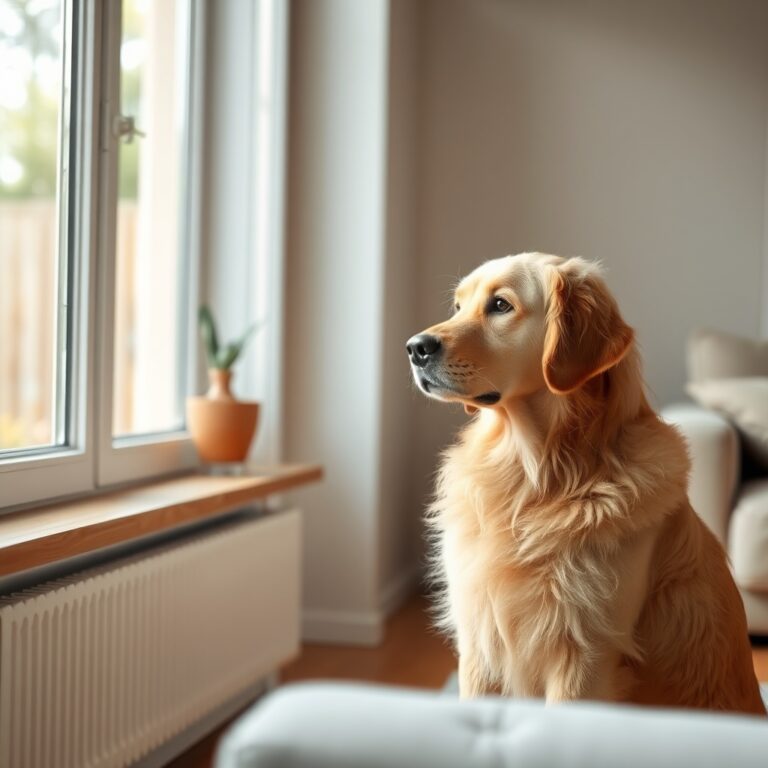


If you can’t walk to the kitchen or use the bathroom without a furry shadow trailing your every step, you already know what living with a “Velcro dog” is like. While having a fiercely loyal companion feels flattering, that constant shadowing isn’t always just about affection—sometimes, it’s a sign of a deeper psychological attachment or growing anxiety that needs a closer look.
Dogs follow their owners everywhere primarily due to their natural pack mentality, positive reinforcement (connecting your movement with food, play, or affection), breed genetics, or underlying separation anxiety. This behavioral pattern, often referred to as ‘velcro dog syndrome’, is a natural response to domestication but can sometimes signal a need for behavioral adjustment.
The Psychology Behind the Shadow: Why Dogs Stay So Close
To address this behavior, it helps to understand what is driving your dog’s desire to stay glued to your side. Here are the primary reasons canine behaviorists identify:
- The Power of Reinforcement: Every time your dog follows you to the kitchen, they might get a scrap of food, a quick pat on the head, or a warm smile. Dogs are masters of association. If following you leads to positive outcomes, they will repeat the behavior.
- Canine Pack Instincts: Ancestrally, wild canines lived and traveled in cohesive family groups. Following a trusted pack leader is a deeply ingrained survival mechanism that provides safety and structure.
- The ‘Velcro’ Breed Legacy: Certain breeds are genetically predisposed to work closely alongside humans. Herding breeds like Border Collies, Shetland Sheepdogs, and German Shepherds, as well as toy breeds bred specifically for companionship, are naturally inclined to keep their eyes on you at all times.
- Scent and Curiosity: Dogs experience the world through their senses. Your movement represents a dynamic source of new smells, sounds, and potential activities that they simply do not want to miss.
Normal Bonding vs. Separation Anxiety
There is a distinct line between a healthy bond and pathological anxiety. A healthy, bonded dog follows you because they enjoy your company, but they can remain relaxed when you leave the room or step out of the house. They will often lie down calmly in another room or play with a toy independently.
Conversely, a dog suffering from separation anxiety follows you out of fear and panic. This behavior is typically accompanied by intense panting, pacing, whining, or destructiveness the moment you prepare to leave. If your dog cannot settle down even when you are just in the next room, they may be experiencing hyper-attachment, which requires active behavioral conditioning.
Step-by-Step Action Plan to Encourage Independence
If your dog’s shadow behavior has become excessive, you can use structured training to help them feel secure when they are not right next to you. Follow this practical, coach-approved strategy to build healthy boundaries:
- Step 1: Desensitize Your Movement Cues: Dogs learn your patterns, such as standing up, grabbing keys, or putting on shoes. Break these associations by performing these actions without actually leaving. Stand up, walk to the door, and then sit back down. Repeat this until your dog stops reacting to your movement.
- Step 2: Master the ‘Place’ Command: Teach your dog to go to a designated mat, bed, or crate on cue. Reward them with high-value treats only when they stay on their bed. Gradually increase the distance between you and the bed, showing them that good things happen when they stay put.
- Step 3: Establish Clear Boundaries: Practice closed-door exercises. Close the bathroom door or bedroom door for brief intervals. Start with five seconds, then reward your dog for calm behavior outside the door. Slowly increase the duration over several weeks.
- Step 4: Introduce Mental Enrichment: Give your dog something more interesting to do than watching you. Provide puzzle toys, stuffed frozen treats, or lick mats in another room. This teaches your dog that being away from you can be highly rewarding.
Common Mistakes Owners Make When Curbing This Behavior
Correcting velcro behavior requires consistency. Avoid these common training pitfalls that can accidentally worsen your dog’s dependency:
- Constantly acknowledging attention-seeking behavior: If you look at, talk to, or touch your dog every single time they nudge your leg or follow you into a room, you are actively rewarding the behavior.
- Using punishment: Scolding or pushing your dog away can create confusion and elevate their anxiety levels, making them follow you even more closely to seek reassurance.
- Sudden isolation: Forcing a highly dependent dog to stay alone for hours without gradual training can trigger severe panic and destructive habits.
Frequently Asked Questions
Why does my dog follow me to the bathroom?
This common habit is driven by curiosity, vulnerability, and routine. In a dog’s mind, you are leaving to do something behind a closed door, which sparks their natural desire to investigate. Additionally, because the bathroom is a small space, dogs often view it as a safe, cozy area to be near their preferred human.
Should I worry if my dog suddenly starts following me everywhere?
A sudden change in behavior warrants attention. If a normally independent dog suddenly clings to your side, it could indicate physical discomfort, cognitive dysfunction in senior dogs, visual or hearing decline, or a reaction to an environmental stressor like construction noise or changes in the household. A veterinary checkup is recommended to rule out underlying health issues.
Does sleeping in my bed make my dog follow me more during the day?
Not necessarily. While sleeping together strengthens your bond, it does not directly cause velcro behavior unless the dog lacks general training and boundaries throughout the day. Focus on building confidence and independence during waking hours through structured training and mental stimulation.