
There is a very specific kind of exhaustion that only a cat owner knows: waking up at 3:00 AM to a gentle headbutt, a loud purr, and paws tapping urgently against your face. While those midnight cuddles feel heartwarming in the moment, that sudden burst of nocturnal affection usually isn’t just about love—it is a clear behavioral shift that can quickly wreck your sleep cycle if you don’t know what’s driving it.
A sudden increase in nighttime affection is usually triggered by a cat’s natural crepuscular sleep-wake cycle, attention-seeking after a long day of solitude, or a search for warmth and security. However, if this behavior starts abruptly in older cats, it can also point to underlying medical issues like hyperthyroidism, high blood pressure, or cognitive decline.
The Biology Behind Nighttime Affection: Crepuscular Instincts
To understand why a cat suddenly craves attention when the lights go out, look to their evolutionary roots. Cats are not actually nocturnal; they are crepuscular. This means their natural hunting instincts and energy peaks occur during the twilight hours of dusk and dawn.
While humans are winding down for deep sleep, a cat’s biological clock is signaling that it is prime time for activity. If a cat has spent the entire day sleeping while the household is at work, that built-up predatory energy has nowhere to go. When the house falls quiet, the cat seeks out their primary companion to fulfill their need for social interaction, play, and security.
Psychological and Environmental Triggers
Beyond biology, several daily factors can influence a sudden shift toward late-night clinginess. Addressing these triggers can help restore balance to your household.
- The ‘Empty House’ Effect: If the household is busy or empty during the day, a cat may experience mild social deprivation. When everyone returns and eventually settles into bed, the cat views this uninterrupted horizontal time as their primary opportunity for undivided attention.
- Thermal Seeking Behavior: A cat’s core body temperature is higher than a human’s. As ambient temperatures drop overnight, cozying up next to a warm human is a practical survival strategy. Your head, chest, and lap act as natural heating pads.
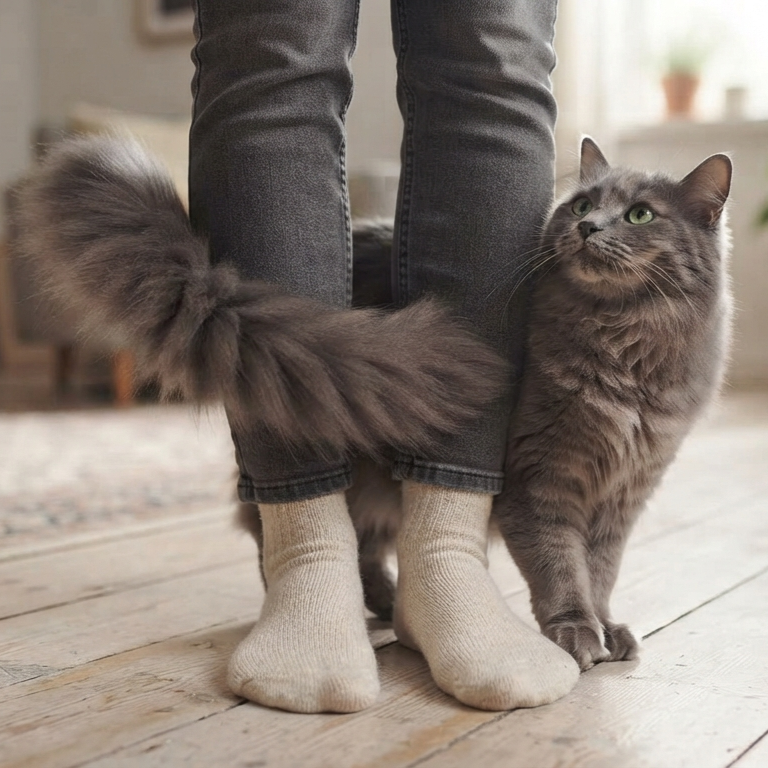
- Scent-Marking and Security: Nighttime is when a cat feels most vulnerable to potential predators. By rubbing their cheeks against you (bunting) and sleeping close, they are marking you with their scent, confirming that you are part of their safe family group.
When Sudden Affection Signals a Medical Issue
While behavioral changes are often benign, a sudden, dramatic increase in nighttime affection—especially in middle-aged or senior cats—warrants a veterinary consultation. Several health conditions can alter a cat’s normal routine:
Hyperthyroidism: An overactive thyroid gland floods a cat’s system with thyroid hormones, causing restlessness, increased appetite, and a sudden surge in nighttime activity and vocalization. Owners often report their senior cat has suddenly become highly demanding of attention at odd hours.
Feline Cognitive Dysfunction (FCD): Similar to dementia in humans, aging cats can experience confusion and disorientation, particularly when the house is dark and quiet. They may seek out their owner constantly at night for reassurance and comfort because they feel lost in their own home.
Chronic Pain or Systemic Illness: Cats are masters at hiding pain during the day when there are distractions. At night, when the house is silent, discomfort from arthritis or dental disease can become overwhelming, prompting them to seek out their trusted human for security and comfort.
Your Step-by-Step Nighttime Calmness Action Plan
If veterinary issues have been ruled out, you can shift your cat’s active hours back to daytime using a structured daily routing plan. Use these steps to encourage sleep during the night:
- Initiate a Play-and-Feed Routine: Mimic the natural wild cycle of ‘hunt, catch, kill, eat, groom, sleep.’ Engage your cat in an intense 15-minute play session with a feather wand or laser toy right before bed, immediately followed by a high-protein meal. This tricks their digestive system into a natural post-meal sleep cycle.
- Enrich the Daytime Environment: Prevent daytime boredom by placing bird feeders outside windows, offering puzzle feeders, and leaving out safe interactive toys. A mentally exhausted cat is a sleeping cat.
- Create a Dedicated Sleeping Zone: Provide a heated cat bed or a cozy nesting spot near your bed, but not directly on it. This offers them the warmth and proximity they crave without disrupting your sleep.
Common Mistakes to Avoid
When modifying feline behavior, consistency is key. Avoid these common pitfalls that accidentally prolong nighttime wakefulness:
- Responding to Nighttime Cries: Getting out of bed, talking to, petting, or feeding your cat when they wake you up rewards the behavior. Even negative attention, like shooing them away, is still attention.
- Abruptly Locking the Bedroom Door: If your cat is used to sleeping with you, suddenly locking them out can cause extreme frustration, resulting in destructive door-scratching and vocalizing. Instead, transition them slowly by establishing their own comfortable sleeping zones.
- Using Physical Punishment: Spraying water or yelling will only damage the bond of trust between you and your cat, raising their anxiety levels and potentially making their nighttime attention-seeking behavior worse.
Frequently Asked Questions
Why is my cat kneading me so much at night?
Kneading, or ‘making biscuits,’ is a comforting instinct carried over from kittenhood when they nursed to stimulate milk flow. At night, when they are relaxed and feeling secure next to you, they knead to express deep contentment and to mark you with scent glands located in their paw pads.
Could a sudden change in affection mean my cat is in pain?
Yes. Sudden behavioral shifts, including a dramatic increase in clinginess or vocalization at night, can indicate discomfort. If your cat is experiencing low-grade pain from arthritis or an internal illness, they may seek your constant presence for reassurance when their symptoms feel worse in the quiet nighttime hours.
Should I feed my cat when they wake me up at night?
No. Feeding your cat in response to nighttime attention-seeking teaches them that waking you up results in a food reward. This will solidify the habit. Instead, stick to a strict feeding schedule and use an automatic feeder to deliver small portions during the night if they genuinely need midnight snacks.