
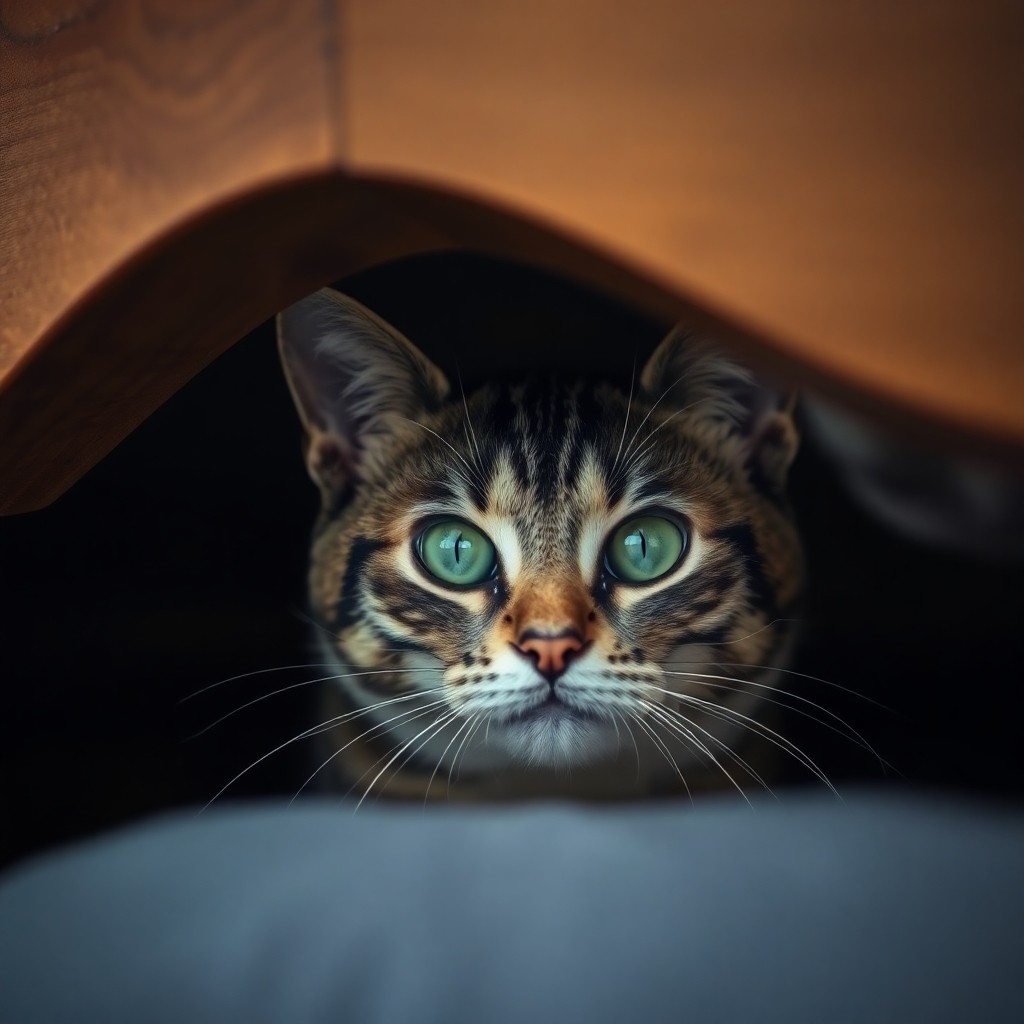
One day your cat is curled up at the foot of the bed, and the next, they are completely ghosting you from the back of the closet. That abrupt vanishing act can rattle any pet parent. Cats rarely retreat into the shadows without a reason, and learning how to read those quiet signals is the key to helping them feel safe again.
A cat will suddenly hide due to physical pain, underlying medical illness, stress from environmental changes, or fear. Because cats are predatory animals that are also preyed upon in the wild, they instinctively mask vulnerability; sudden hiding is often their primary defense mechanism when feeling unwell or threatened.
The Evolutionary Instinct Behind Hiding
In the wild, a sick or injured feline is an easy target for larger predators. To protect themselves, wild felines retreat to small, enclosed, and elevated spaces to recuperate safely. Your domesticated cat retains this deeply ingrained survival drive. When their body signals illness or physical vulnerability, their immediate biological impulse is to disappear from sight.
For owners, this means that a cat who stops greeting you at the door or suddenly spends all afternoon in the back of a dark closet isn’t just being aloof; they may be actively managing physical discomfort or psychological distress. Recognizing this as a defensive biological response rather than a stubborn quirk is key to assessing the situation objectively.
Medical Causes of Sudden Feline Hiding
When a social, active cat suddenly retreats into isolation, medical issues should always be the primary suspect. Cats are masters of hiding chronic pain, and hiding may be the only outward symptom they display. Common clinical conditions associated with sudden hiding include:
- Osteoarthritis and Musculoskeletal Pain: Older cats frequently experience joint pain. Jumping up or down becomes painful, prompting them to hide in low, easily accessible spots like under the bed (AAHA).
- Systemic Infections or Fever: Internal infections, abscesses from fight wounds, or urinary tract infections (UTIs) drain a cat’s energy, causing them to seek quiet spots to rest.
- Gastrointestinal Distress: Nausea, pancreatitis, or ingestion of toxic houseplants can cause abdominal pain, driving cats into seclusion.
- Feline Hyperesthesia or Neurological Issues: Conditions affecting the nervous system can make normal handling painful, leading the cat to seek isolation to avoid touch.
- Cognitive Decline: Geriatric cats experiencing feline cognitive dysfunction may become disoriented or confused, seeking comfort in dark, enclosed spaces.
Behavioral and Environmental Stressors
If physical illness has been ruled out, look closely at your household environment. Cats are creatures of strict routine and are highly sensitive to subtle changes in their territory. Behavioral triggers for sudden hiding include:
- New Household Members or Pets: The introduction of a new baby, roommate, dog, or another cat can instantly disrupt your cat’s sense of security.
- Loud Noises and Construction: Thunderstorms, fireworks, or nearby home renovations can trigger acute fear, sending your cat into survival mode.
- Changes in the Physical Environment: Rearranging furniture, moving to a new home, or even changing the location of their litter box can cause significant spatial anxiety.
- Inter-cat Tension: Subtle bullying from other cats in the home—such as blocking access to food bowls or litter boxes—can force a submissive cat to hide to avoid conflict.
Evaluating Your Hiding Cat
To help you determine whether your cat’s behavior points to a medical emergency or a behavioral adjustment, use this comparison table to analyze their clinical signs:
| Observation Metric | Behavioral Hiding (Stress/Fear) | Medical Hiding (Illness/Pain) |
|---|---|---|
| Posture when visible | Alert, pupils dilated, ears flat or twitching, ready to bolt. | Hunched, head low, squinted eyes, tense facial muscles, unkempt coat. |
| Response to treats/food | May eat if food is placed near their hiding spot or when the house is quiet. | Complete lack of interest in high-value treats; persistent anorexia. |
| Litter box habits | Uses the box normally when alone or overnight. | Incontinence, straining, crying out in the box, or complete lack of elimination. |
| Vocalization | Generally quiet, may hiss if cornered. | Low growls, unusual howling, or persistent purring (used to self-soothe pain). |
When to Seek Urgent Veterinary Care
While some stress-induced hiding can be managed at home, certain clinical signs require immediate veterinary intervention. You should contact a veterinarian right away if the hiding is accompanied by any of the following symptoms:
- Refusal to eat or drink for more than twenty-four hours (which can trigger hepatic lipidosis, a life-threatening liver condition).
- Straining to urinate or defecate, or frequent, unproductive visits to the litter box (especially critical in male cats, where it can indicate a fatal urethral blockage).
- Labored breathing, rapid respiration, or breathing with an open mouth.
- Visible trauma, bleeding, limping, or swelling.
- Persistent vomiting, diarrhea, or extreme lethargy.
Actionable Steps to Support Your Cat
If you suspect the hiding is stress-related, you can take practical steps to restore your cat’s sense of safety within your home:
1. Create a Dedicated Safe Zone
Designate a quiet, low-traffic room (like a spare bedroom) as your cat’s private sanctuary. Equipping this space with their bed, litter box, food, and water dishes allows them to decompress without feeling exposed.
2. Do Not Force Interactions
Avoid dragging your cat out of their hiding spot unless it is an absolute emergency. Forcing contact can shatter their trust and increase their defensive responses, potentially leading to fear-based aggression. Instead, sit quietly nearby, speak in soothing tones, and let them approach you on their own terms.
3. Utilize Pheromone Diffusers
Synthetic feline facial pheromone diffusers mimic the natural comforting pheromones cats deposit when rubbing their cheeks against surfaces. This can provide a subtle, continuous sense of environmental security.
4. Provide Vertical Territory
Cats feel safest when they can observe their environment from an elevated vantage point. Adding a tall cat tree or window perch allows them to feel secure and in control without needing to hide under furniture.
References
- American Animal Hospital Association (AAHA) – Feline Life Stage Guidelines
- World Small Animal Veterinary Association (WSAVA) – Guidelines for Recognition, Assessment, and Treatment of Pain