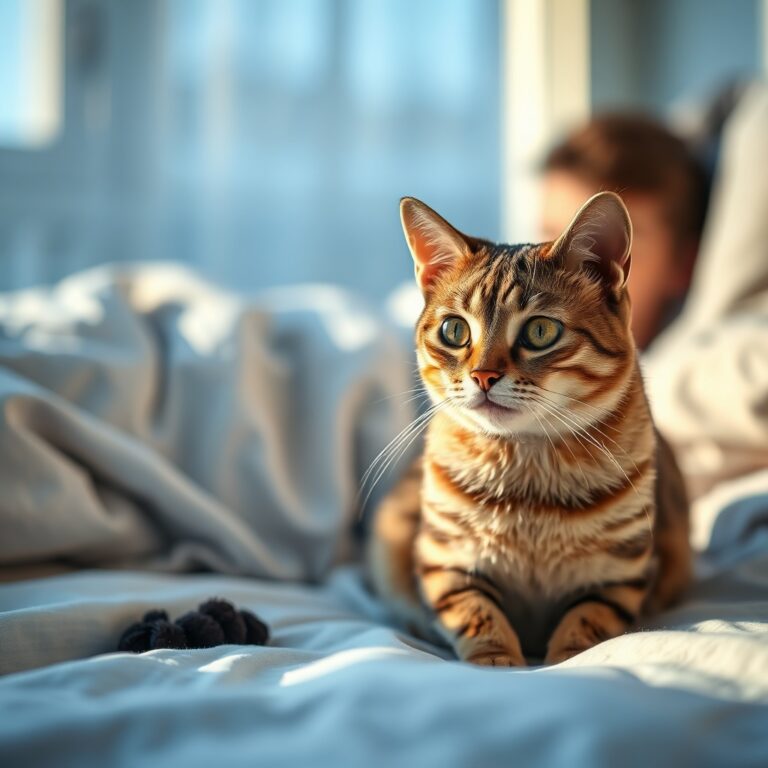

If your cat’s nightly vocalizations are turning your bedroom into a 3 a.m. concert, you are definitely not alone. Dismissing these nocturnal yowls as simple attention-seeking is easy, but ignoring them—or reacting the wrong way—usually just locks you both into a frustrating cycle of sleepless nights.
Understanding Nocturnal Feline Vocalization
Yes, while occasional nighttime vocalization can be normal due to a cat’s natural crepuscular sleep-wake cycle, persistent or sudden meowing at night is usually triggered by boredom, environmental stress, age-related cognitive decline, or underlying medical conditions like hyperthyroidism.
To resolve this sleep-disrupting behavior, it is essential to identify what your cat is trying to communicate. Unlike dogs, cats communicate with humans primarily through vocalization, and night meowing is rarely random. Understanding the shift in their behavior is the first step toward reclaiming peaceful nights.
1. Instructive Crepuscular Rhythms
Cats are crepuscular, meaning they are naturally most active during the twilight hours of dawn and dusk. This evolutionary trait can sometimes spill over into the middle of the night, leading to bursts of energy (commonly known as ‘the midnight crazies’) and loud vocalizations as they hunt imaginary prey in the dark.
2. Boredom and Understimulation
Indoor cats often spend the daylight hours sleeping while their owners are away at work. When night falls, they are fully charged with physical and mental energy. Without a constructive outlet, they use meowing as a tool to initiate play, open closed doors, or seek interaction from their sleeping owners.
3. Medical Issues and Pain
Sudden changes in nighttime behavior frequently stem from systemic health issues. Chronic pain from osteoarthritis, increased thirst and hunger from hyperthyroidism, or systemic high blood pressure (hypertension) can cause intense restlessness and persistent crying during the night. Any sudden increase in vocalization in an adult cat warrants a veterinary checkup.
4. Cognitive Dysfunction Syndrome (CDS)
In senior cats (typically those aged 11 and older), nighttime vocalization is a hallmark symptom of feline dementia, or Cognitive Dysfunction Syndrome. As spatial awareness and vision diminish in low light, senior cats can become disoriented, anxious, and prone to loud, guttural crying at night. They often call out simply because they have forgotten where they are or where their owners sleep.
Step-by-Step Action Plan to Stop Nighttime Meowing
Resolving nocturnal vocalization requires a consistent, multi-faceted approach. Follow this step-by-step training protocol to reset your cat’s internal clock and establish quiet nights:
- Step 1: Implement a High-Intensity Play Session Before Bed: Tire your cat out about an hour before sleep. Use interactive toys like wand feathers or laser pointers to simulate a hunting sequence, ending only when the cat is visibly relaxed.
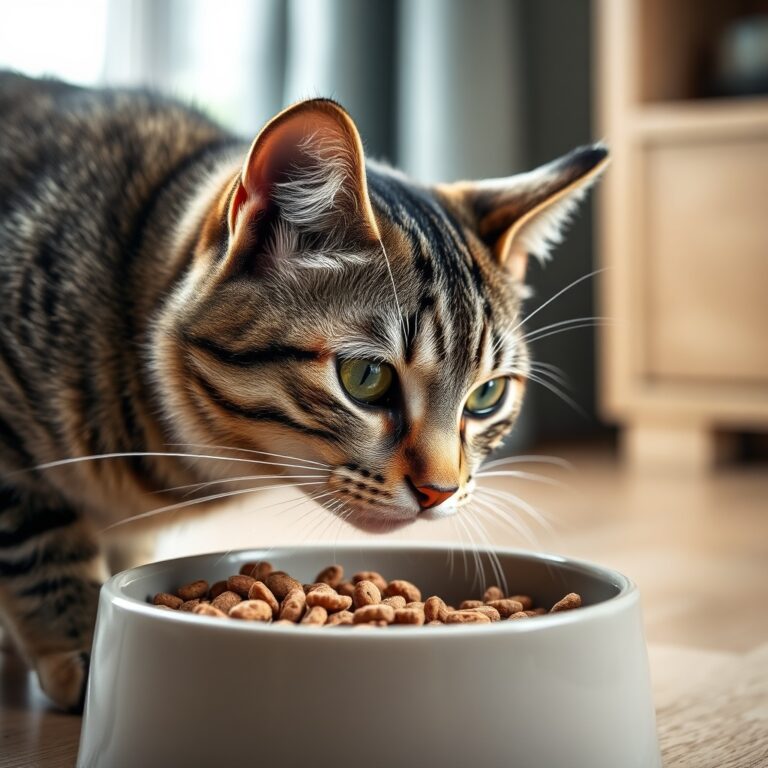
- Step 2: Align Feedings with Sleep Cycles: Immediately after the play session, feed your cat their main meal of the day. This triggers the natural ‘hunt-catch-kill-eat-groom-sleep’ cycle, encouraging deep, restorative rest.
- Step 3: Enrich the Nighttime Environment: Provide puzzle feeders or slow-release treat dispensers filled with dry kibble to keep your cat quietly occupied while you sleep.
- Step 4: Maintain Absolute Silence and Non-Reaction: This is the hardest but most crucial step. If your cat meows, do not look at them, talk to them, feed them, or get out of bed. Any reaction—even a negative one like scolding—reinforces the behavior by teaching the cat that meowing successfully gets your attention.
Common Mistakes to Avoid During Training
Behavioral conditioning only works if the whole household is aligned. Avoid these common missteps:
- Giving in to the demands: Getting up to feed your cat at 3:00 AM to ‘shut them up’ guarantees they will meow louder and longer the next night.
- Using physical or verbal punishment: Yelling or spraying water will not stop the meowing; it will only damage your bond and increase the cat’s anxiety, worsening the nocturnal crying.
- Restricting water: Never withhold fresh water at night. If your cat is meowing due to medical conditions like kidney disease or diabetes, they require constant access to clean water.
When to Consult Your Veterinarian
If you have implemented behavioral strategies for two weeks with no improvement, or if your cat is a senior, a clinical evaluation is necessary. A vet can run blood panels, check blood pressure, and screen for metabolic diseases that trigger hyper-excitability. For senior cats with CDS, veterinarians can prescribe specialized diets, synthetic pheromones, or anxiety medication to restore calm night routines.
Frequently Asked Questions
Should I close my bedroom door to block out my cat’s meowing?
While closing the door can block noise, it often increases frustration in territorial cats, leading to scratching at the door and louder crying. If you close the door, pair it with white noise machines and ensure your cat has a highly engaging environment outside your bedroom.
How long does it take to stop a cat from meowing at night?
With strict, consistent behavioral modification (especially ignoring the behavior completely), most owners see a significant decrease in nighttime meowing within two to three weeks. However, the behavior may briefly worsen before it improves—a phenomenon known as an ‘extinction burst.’