
When a cat suddenly latches onto your hand during a gentle petting session, your first instinct is usually to jerk your arm back. Unfortunately, that quick movement is all it takes to trigger their inner hunter, turning your hand into prime prey and making them bite down even harder.
Cats suddenly bite during play due to overstimulation (reaching their sensory threshold), predatory play aggression, or sudden pain. This behavior occurs when natural hunting instincts override play boundaries, signaling that the cat needs an immediate break from interaction.
Understanding the Root Causes of Play Biting
When a peaceful play session turns into a sudden nip, it can feel like a betrayal. However, cats rarely bite without reason. Understanding the evolutionary and sensory triggers behind this behavior is the first step toward correcting it.
The Sensory Overload Threshold
Cats have highly sensitive nervous systems. What feels like pleasant stroking or fun play can quickly cross the line into physical irritation. This is often referred to as pet-induced overstimulation. When a cat reaches their sensory limit, they use a sudden bite as a boundary-setting mechanism to say, ‘Stop, that is enough.’
The Hunting Instinct and Play Aggression
For a cat, play is a rehearsal for hunting. Chasing, pouncing, stalking, and biting are natural predatory sequences. If hands, fingers, or toes are used as play targets, a cat will treat them exactly like prey. When the excitement level peaks, the predatory drive takes over, resulting in a sudden, sharp bite.
Sudden Discomfort or Pain
If a normally gentle cat suddenly begins biting during play, physical discomfort may be the cause. Touching a sensitive area like the abdomen, lower back, or joints can trigger a defensive bite. If this behavior starts suddenly without a change in play style, consult a veterinarian to rule out underlying issues such as arthritis or dental pain.
Reading Your Cat’s Pre-Bite Body Language
Cats almost always give subtle warnings before delivering a bite. Learning to read these physiological cues allows handlers to stop play before the threshold is crossed.
- The Tail Flick: A tail that starts swishing, thumping against the floor, or twitching at the tip is a primary sign of rising irritation.
- Ear Positioning: Ears rotating backward or flattening slightly against the head indicate defensiveness or overstimulation.
- Pupil Dilation: Sudden widening of the pupils shows a surge in adrenaline and high arousal.
- Body Tension: A sudden freeze, stiffening of the spine, or rippling skin along the back warns of an imminent bite.
Step-by-Step Plan to Stop Play Biting
Correcting play aggression requires changing daily habits and establishing clear boundaries. Follow this structured approach to teach your cat safe play behavior.
Step 1: Instantly Freeze and Withdraw Attention
If teeth touch skin, immediately stop all movement. Do not yell, pull back rapidly, or push the cat away, as these actions mimic prey movement or invite a fight. Instead, let your hand go completely limp. Once the cat lets go, calmly walk away and ignore them for several minutes. This teaches the cat that biting results in the immediate end of fun.
Step 2: Never Play with Bare Hands
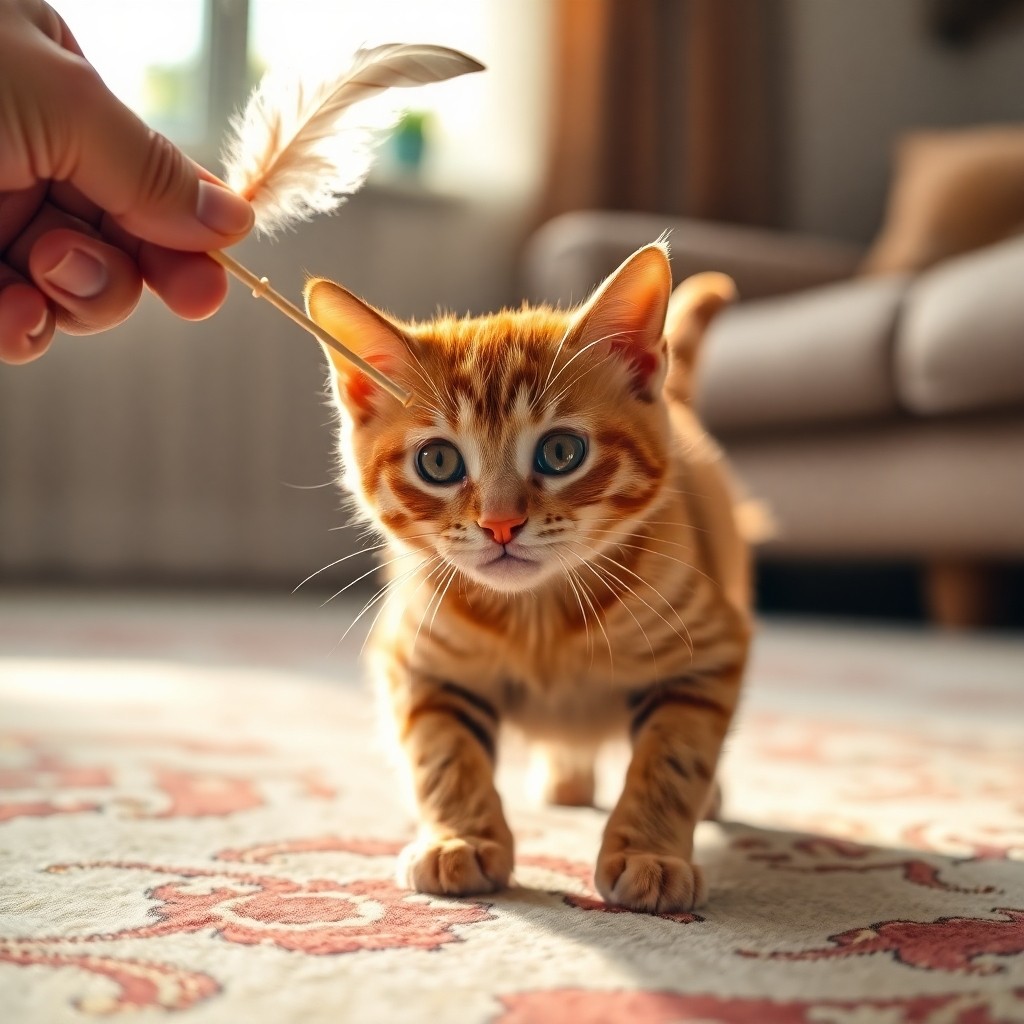
Hands should only ever be associated with gentle petting, feeding, and calm handling. Always use interactive toys that establish physical distance between hands and the cat’s teeth. Feathers on wands, laser pointers, and fishing-pole toys are excellent tools for this purpose.
Step 3: Redirect with Kicker Toys
Keep a large, durable kicker toy nearby during play sessions. If the cat shows signs of high arousal or attempts to grab a hand, immediately redirect their energy by sliding the kicker toy between the cat and your hand. This allows the cat to safely bunny-kick, bite, and wrestle without causing injury.
Step 4: Establish a Predictable Routine
Provide two scheduled 10-to-15-minute interactive play sessions daily. Ending each session with a meal or a treat helps satisfy the cat’s natural ‘hunt-catch-kill-eat-groom-sleep’ cycle, successfully winding down their energy levels.
Common Mistakes to Avoid
Many well-meaning owners accidentally reinforce biting habits through incorrect reactions. Avoid these common pitfalls to ensure training success.
- Physical Punishment: Hitting, tapping the nose, or scruffing a cat creates fear and converts play aggression into actual defensive aggression.
- Using Rough Play Styles: Wrestling with a cat using a gloved hand or under blankets teaches them that rough physical contact with humans is acceptable.
- Inconsistent Rules: Allowing kitten nibbles but punishing adult bites confuses the animal. Boundaries must remain completely identical across all age stages.
Frequently Asked Questions
Why does my cat bite me and then lick me?
This common sequence is often a sign of mixed emotions. The bite is usually a result of sudden overstimulation, while the subsequent licking is a social grooming behavior meant to soothe, show affection, or repair the social bond after a tense moment.
Should I ignore my cat after they bite?
Yes. Walking away and removing all attention is the most effective passive correction method. It clearly communicates that biting ends the play session, which is the exact opposite of what the cat wants.