
There’s something undeniably comforting about walking through your front door and finding your cat already waiting there to greet you. While it’s easy to assume they are simply tapping their paws for an early dinner, feline behaviorists point to a much richer routine. That daily doorstep vigil turns out to be a fascinating blend of deep social bonding, an uncanny internal clock, and pure sensory anticipation.
Your cat waits for you at the door because they possess a highly accurate internal circadian rhythm, associate your arrival with positive stimulation, and view you as a key social partner who provides safety, security, and companionship.
The Science Behind the Doorway Welcome
Cats are often stereotyped as solitary, aloof animals that care little for human interaction. In reality, domesticated felines form deep, complex attachments to their human caregivers. When your cat sits by the door waiting for your return, several biological and psychological mechanisms are at play.
1. Internal Circadian Clocks and Routine
Cats have an incredibly consistent internal clock regulated by daylight cycles and daily household routines. If you return home from work at a similar time every day, your cat easily predicts this event. They learn to associate specific intervals of the day with your arrival, positioning themselves near the entryway just before you turn the doorknob.
2. Superpowered Sensory Detection
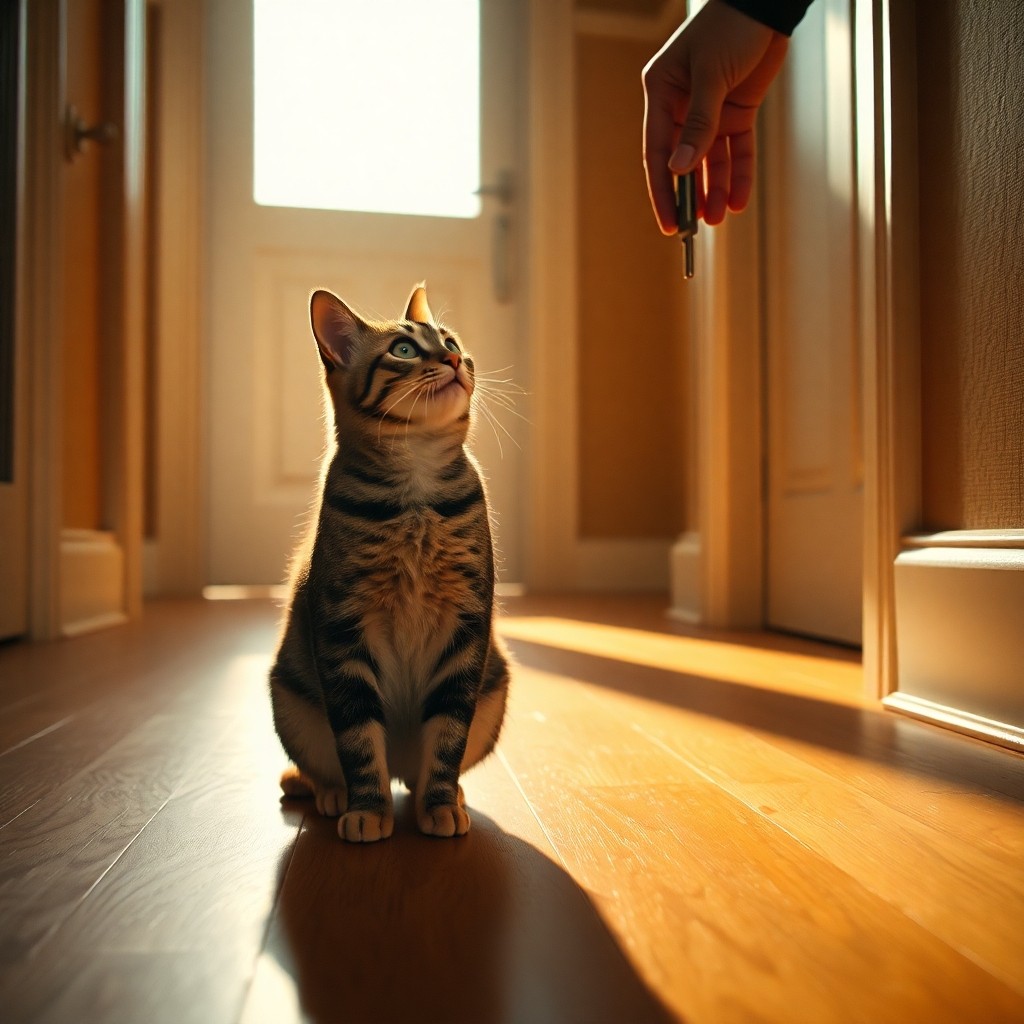
Before you even step foot inside, your cat likely knows you are close. Felines have highly sensitive hearing, allowing them to detect the distinct sound of your car engine, the specific squeak of your footsteps on the driveway, or the jingle of your keys from dozens of feet away. What looks like hours of waiting is often a well-timed response to these auditory cues.
3. Social Connection and Secure Attachment
Research into feline behavior shows that cats view their owners as a primary source of security, much like human infants view their parents. Your presence brings comfort and relieves the low-level stress of being alone. Waiting at the door is their way of re-establishing contact and verifying that their safe environment is fully restored.
4. Resource and Entertainment Anticipation
Let’s not discount the practical side of cats. Your return represents transition. It means fresh water, a clean litter box, tasty meals, and interactive play. For an indoor cat who has spent the day in a quiet house, your arrival is the most exciting event of the day.
Common Mistakes When Greeting Your Cat
How you react to your cat’s doorway welcome sets the tone for their behavior. Avoid these common mistakes to prevent overstimulation or anxiety:
- Rewarding hyper-arousal: If your cat is screaming, scratching the door, or tripping you as you walk in, rewarding them immediately with high-value treats or intense affection can reinforce frantic behavior.
- Ignoring warning signs of distress: If your cat is panting, pacing, or exhibiting destructive behavior near the door, this goes beyond a friendly welcome and may point to separation anxiety.
- Sudden, loud movements: Coming through the door in a rush, dropping heavy bags, or shouting can startle a waiting cat, creating a negative association with your return.
Action Plan: Structuring a Calm, Happy Return
To ensure your cat’s greeting remains a positive, stress-free habit, implement this simple training routine:
- Practice Low-Key Welcomes: When you open the door, keep your energy calm. Avoid high-pitched baby talk. Wait until you have put down your bags and taken off your shoes before calmly bending down to stroke your cat.
- Redirect Excitable Behavior: If your cat tends to dart out of the door or climb your legs, keep a favorite toy or a small handful of kibble near the entrance. Toss it away from the door as you walk in to redirect their focus.
- Enrich Their Solo Environment: Prevent excessive boredom while you are away. Install window perches, leave out puzzle feeders, or set up a bird-watching station to keep their minds active during the day.
- Establish Post-Arrival Play: Dedicate 10 to 15 minutes of interactive play with a wand toy shortly after you get home. This satisfies their predatory drive and strengthens your bond in a structured way.
Frequently Asked Questions
Is it normal for my cat to wait at the door all day?
While waiting right before you arrive is normal, sitting staring at the door for hours can indicate boredom, lack of environmental enrichment, or mild separation anxiety. Ensure your home has plenty of climbing spaces, toys, and window access to keep them occupied in your absence.
How can I tell if my cat’s greeting is actually separation anxiety?
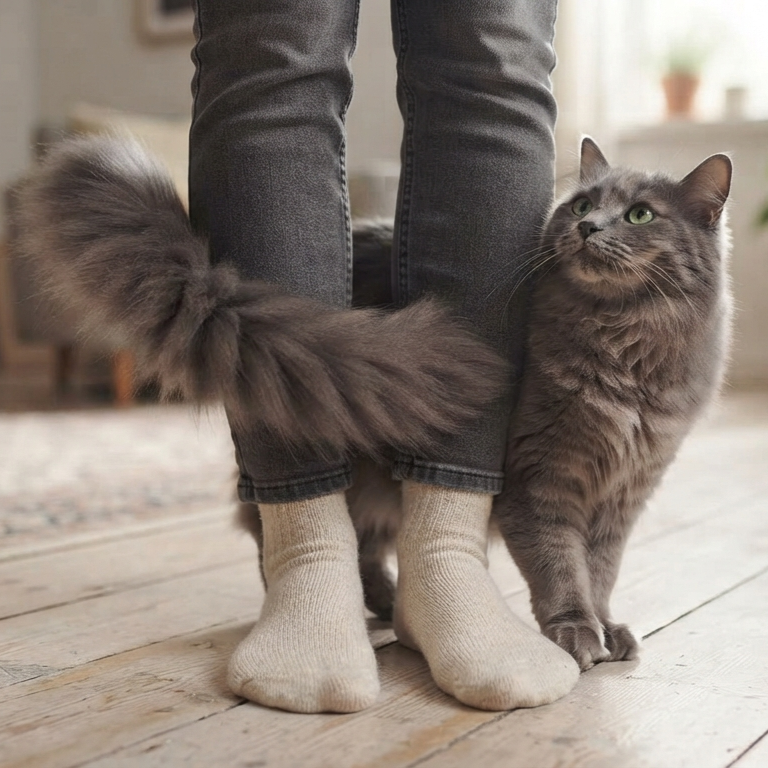
A healthy greeting involves tail-up curiosity, soft blinks, and rubbing against your legs. If your cat greets you with excessive vocalization, dilated pupils, panting, or if you find evidence of destructive scratching near doorways or accidents outside the litter box, they may be suffering from separation anxiety. Consult with a veterinarian or a certified feline behaviorist to develop a targeted behavior plan.