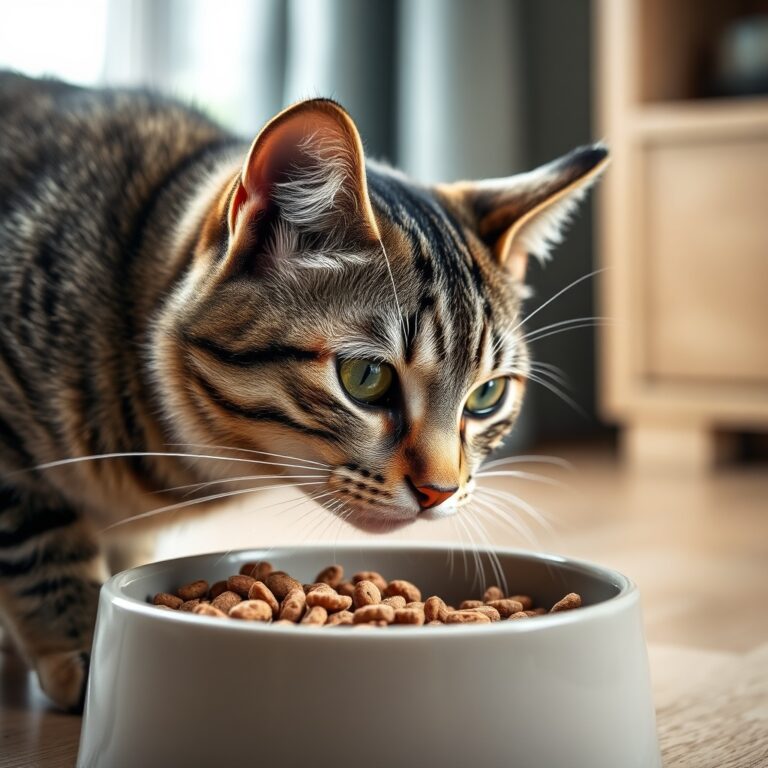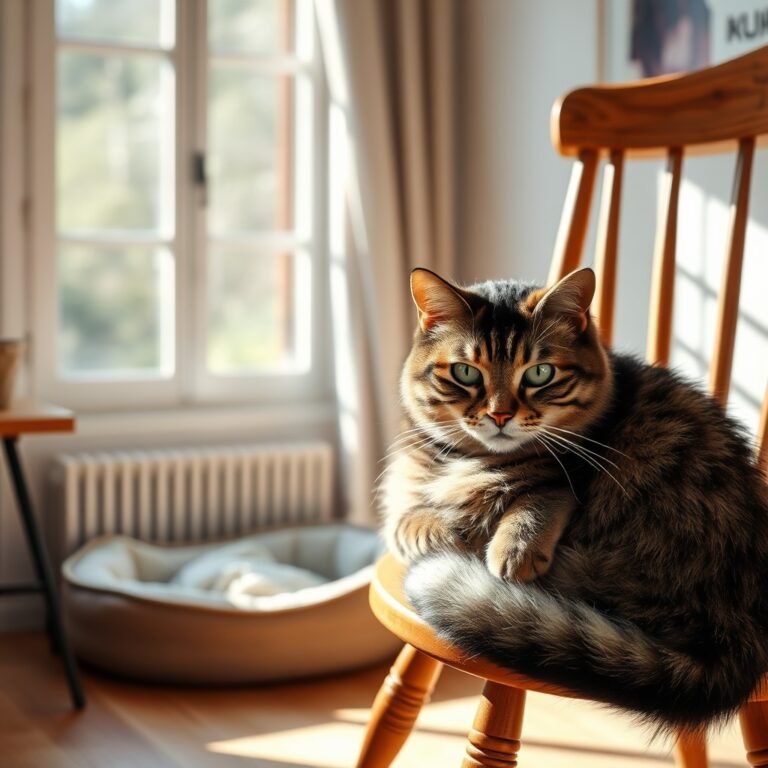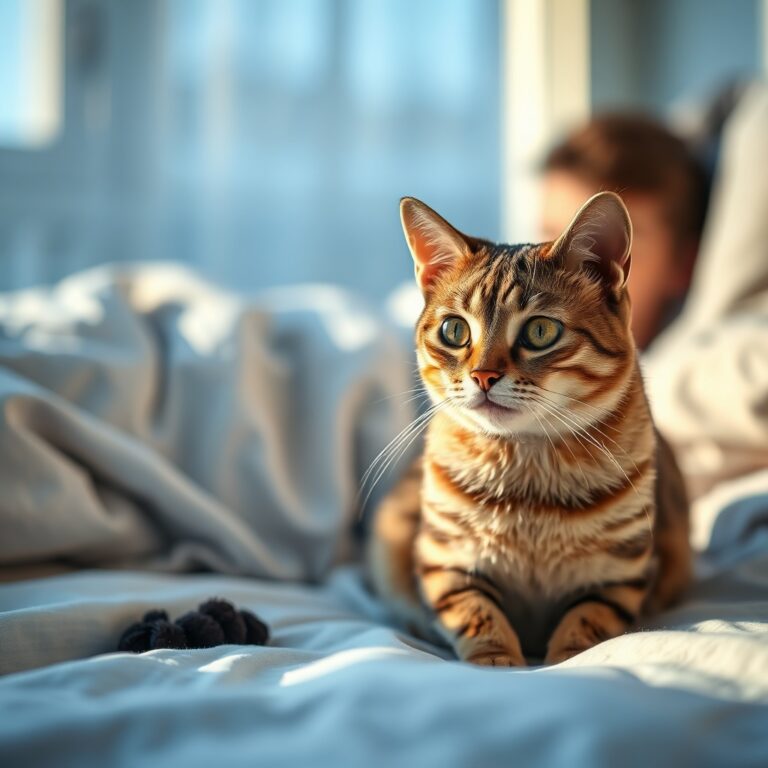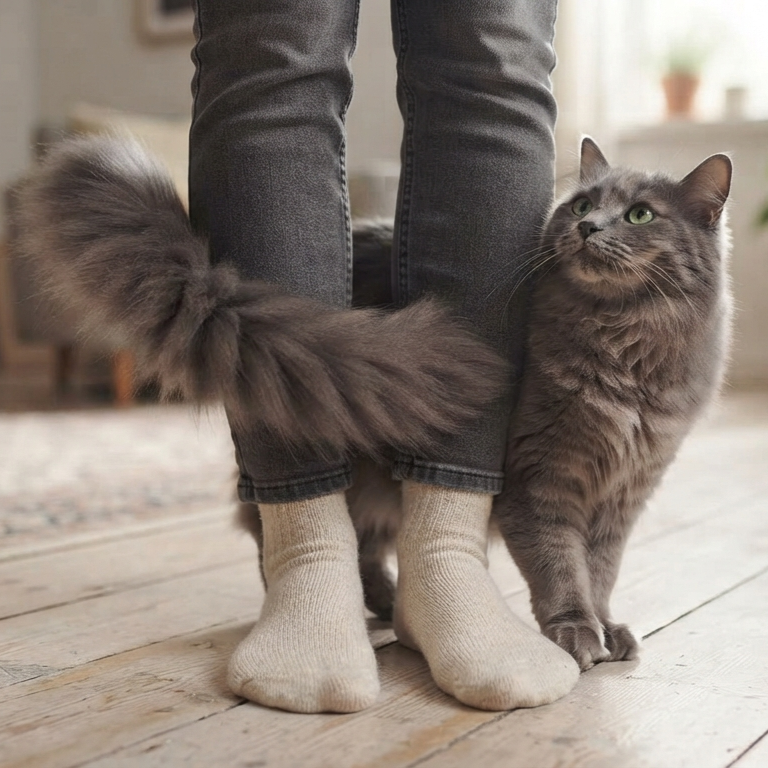
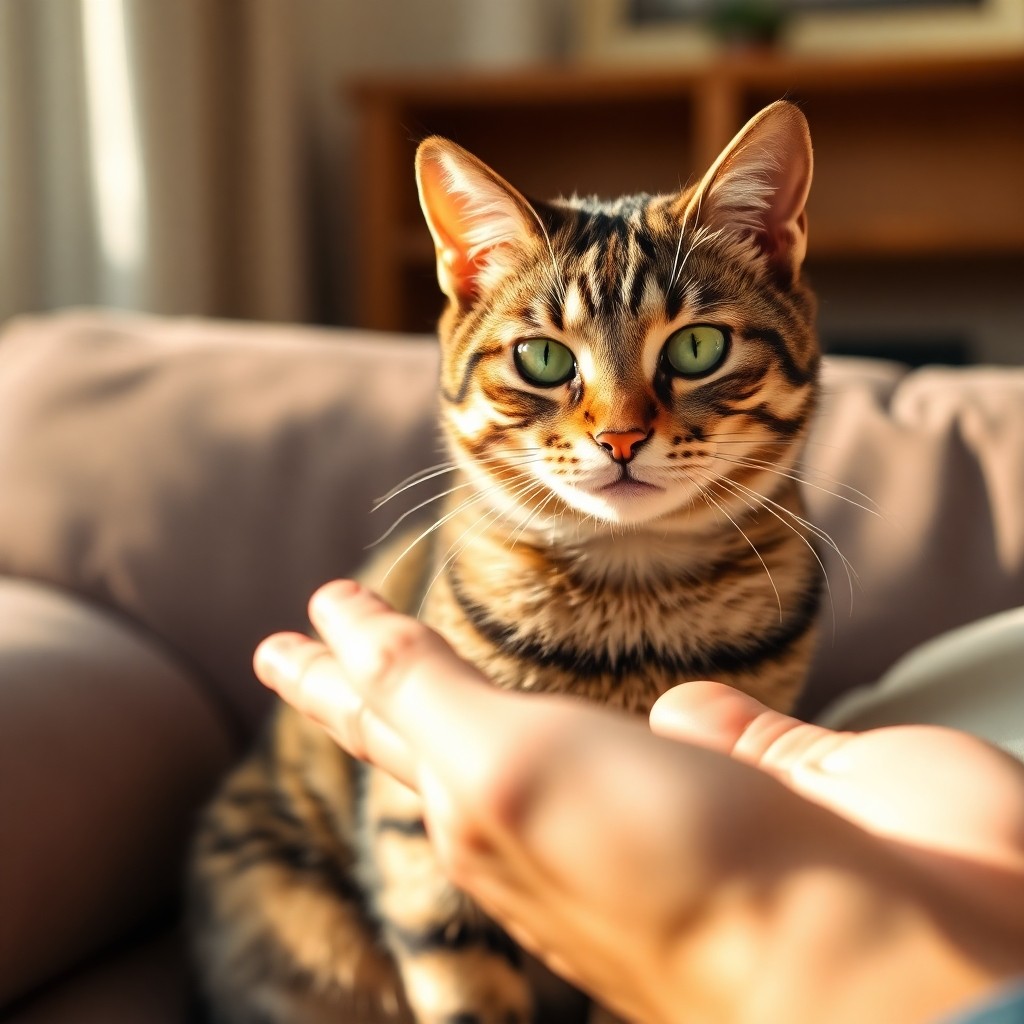
Catching your cat locking eyes with you from across the room can feel slightly unnerving, as if they are secretly judging your entire existence or plotting mischief. But that lingering gaze is rarely a sign of hostility. Instead, your cat’s eyes are the primary channel for a subtle language of affection, curiosity, and everyday wants.
Your cat stares at you primarily to gather information, express affection, or request resources like food or attention. By reading their accompanying body language—like ear position and tail movement—you can easily decode exactly what your feline companion is trying to say.
Decoding the Cat Gaze: What Their Eyes Are Telling You
Unlike humans, cats do not rely on words to express their feelings. Instead, they use a highly nuanced visual vocabulary. To understand why your cat’s eyes are locked on you, pay close attention to the shape of their pupils and the speed of their blinks.
The Slow Blink (The ‘I Love You’ Gaze)
If your cat is staring at you with relaxed, half-closed eyelids and occasionally closes their eyes slowly, you are receiving the ultimate feline compliment. Often referred to as a ‘kitty kiss,’ the slow blink indicates complete trust, safety, and deep affection. In the wild, closing eyes around another creature is a vulnerability, so doing this in your presence shows they feel entirely safe with you.
The Wide-Eyed, Unblinking Stare
A wide, unblinking stare is often a sign of high alertness or curiosity. Your cat is processing information. They might be waiting for you to make a move, anticipating a play session, or trying to figure out what you are doing. If their ears are pointed forward and their whiskers are relaxed, they are simply curious and engaged in your activities.
Dilated Pupils and Stiff Body Language
When a cat stares at you with fully dilated (large and round) or constricted (slit-like) pupils, coupled with a tense body, flat ears, or a twitching tail, this is a warning sign. Your cat may be feeling highly overstimulated, frightened, or defensive. In these moments, staring back can feel like a direct challenge to them, which might escalate into defensive aggression.
The Top Reasons Your Cat Keeps Staring at You
Cats are natural observers. By understanding the primary triggers behind their intense focus, you can improve your daily bond and resolve behavioral misunderstandings easily.
- The Search for Information: Cats are creatures of habit. They watch your every move to learn your routine. When you pick up your keys, open a specific cupboard, or stand up from your desk, your cat is reading these cues to predict what will happen next.
- The Demand for Resources: Whether they want their breakfast, a treats refill, or access to a closed room, cats know that staring at you is an effective way to get your attention. If you routinely feed them right after they stare at you, you have successfully trained them to use this visual cue.
- Boredom and Need for Mental Stimulation: Indoor cats can easily get understimulated. When your cat stares at you for long periods, they might simply be waiting for you to entertain them, initiate a game, or offer some affection.
- Cognitive Decline in Senior Cats: If you have an older cat who stares blankly at you or at walls for extended periods, this can sometimes point to feline cognitive dysfunction (similar to dementia in humans). This is often accompanied by vocalization or disorientation.
How to Respond to Your Cat’s Staring: A Practical Action Plan
Knowing how to react when your cat locks eyes with you can build trust and prevent unwanted behaviors. Follow these direct steps to handle their intense gaze like a professional behavioral coach:
- Return the Slow Blink: When your cat looks at you with a relaxed expression, close your eyes slowly for a second or two, then open them gently and look away. This reassures your cat that you are friendly and pose no threat.
- Assess Their Physical Needs: Check the clock and your surroundings. Is it close to feeding time? Is their water bowl empty? Is the litter box dirty? Often, a quick check of their basic resources will solve the mystery of the stare.
- Redirect Boredom into Play: If your cat is staring out of boredom, do not ignore them. Grab a wand toy, a feather teaser, or toss a kicker toy to redirect their focus into a healthy physical outlet.
- Give Them Space if They Are Stressed: If your cat’s stare is accompanied by a swishing tail, flat ears, or growling, look away immediately to diffuse the tension. Calmly walk away from the area to let them decompress in a safe spot.
Common Mistakes Owners Make with Staring Cats
Avoid these frequent behavioral slip-ups to maintain a peaceful, happy household with your feline companion:
- Engaging in a Staring Contest: Never try to stare down a tense or angry cat. In the animal kingdom, prolonged, direct eye contact is an assertion of dominance and threat, which can trigger a scratch or bite.
- Overfeeding to Stop the Stare: Giving in to every staring episode with a treat teaches your cat that staring equals instant food. This can quickly lead to begging behaviors and feline obesity.
- Scolding an Anxious Cat: If your cat is staring because they are startled by a loud noise or a sudden change, raising your voice or shooing them away will only increase their stress levels. Reassure them with a calm, quiet voice instead.
Frequently Asked Questions
Why does my cat stare at me while I sleep?
Your cat likely stares at you while you sleep because they feel safe near you, or because they are waiting for you to wake up and feed them. They are also highly sensitive to the sound of your relaxed breathing, which reassures them that their environment is secure.
Why does my cat stare at me and then attack?
This sequence usually indicates overstimulation or play aggression. The stare is the build-up phase where the cat’s hunting instincts are triggered. If you notice dilated pupils, a twitching tail, or a tensed body, redirect their energy to a toy before they pounce on your hands or feet.
When should I worry about my cat staring at me?
You should consult your veterinarian if the staring is accompanied by dilated pupils that do not react to light, sudden vocalization, confusion, pacing, or if your cat is staring blankly into empty space for hours, as these can be signs of neurological issues, high blood pressure, or age-related cognitive decline.