
Finding a chewed-up phone charger, mysterious holes in your favorite wool sweater, or missing pieces of plastic wrap can mean only one thing: your cat has an appetite for the inedible. Known as pica, this compulsive urge to chew and swallow non-food items is more than just a quirky habit—it is a serious health hazard that can lead to dangerous intestinal blockages. Fortunately, by figuring out what sparks these cravings and shaking up their daily routine, you can keep your curious cat safe and redirect that strange energy for good.
Feline pica is a behavioral and physiological disorder characterized by the persistent craving and voluntary ingestion of non-nutritive, non-food substances such as fabric, plastic, cardboard, paper, or rubber. It is classified as an obsessive-compulsive behavior, but it often stems from underlying medical conditions, genetic predispositions, or chronic under-stimulation in indoor environments.
Understanding the Root Causes of Feline Pica
Before implementing any corrective training or deterrent sprays, a thorough medical assessment by a veterinarian is critical. Pica is rarely just a bad habit; it is frequently a secondary symptom of an internal medical issue. According to the International Society of Feline Medicine (ISFM), several underlying pathologies can trigger these abnormal cravings.
- Gastrointestinal Disorders: Inflammatory bowel disease (IBD), parasitic infections, or food malabsorption can drive a cat to consume non-food items to soothe abdominal discomfort.
- Nutritional Deficiencies: Severe anemia or lack of essential dietary fiber and minerals can lead to a biological urge to eat soil, clay, or paper.
- Anxiety and Chronic Stress: Cats thrive on routine. Environmental changes, territorial conflicts, or lack of social interaction can manifest as oral fixation and self-soothing behaviors.
- Genetic Predisposition: Certain breeds, particularly Siamese, Tonkinese, and other Oriental breeds, have a higher documented incidence of wool-sucking and fabric ingestion (ACVB).
For owners, this means that applying a deterrent spray to your rugs without treating an underlying digestive disorder or resolving household stress will not solve the issue. The cat will simply find another, potentially more dangerous target to consume.
The Dual-Action Management Strategy
Successfully managing a cat diagnosed with pica requires a dual-action approach: restricting access to target materials using physical barriers and deterrents, while simultaneously satisfying the cat’s biological drive to hunt, play, and chew through structured environmental enrichment.
1. Environmental Enrichment Protocols
Environmental enrichment is the process of modifying a cat’s living space to encourage natural feline behaviors, thereby reducing stress, anxiety, and obsessive-compulsive tendencies. The American Association of Feline Practitioners (AAFP) emphasizes five pillars of a healthy feline environment to combat stress-induced behaviors.
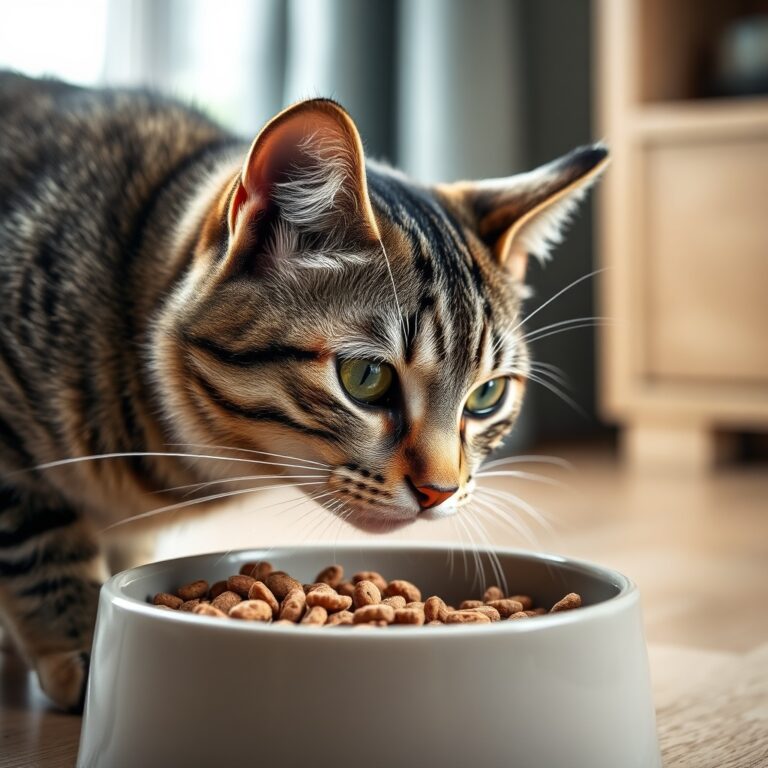
- Cognitive and Foraging Enrichment: Instead of feeding your cat from a standard bowl, transition all meals to puzzle feeders and foraging toys. This forces the cat to use their paws and brain to obtain food, mimicking the mental exertion of hunting. For owners, this means your cat will spend their excess mental energy solving a puzzle rather than seeking out plastic bags to chew.
- Sensory and Olfactory Outlets: Introduce safe, non-toxic textures for your cat to explore. Cat grass (oats, rye, or barley) provides a safe, highly fibrous chewing alternative. Scent-enrichment, such as fresh catnip, silvervine, or valerian root placed on scratching posts, can divert oral fixations to safe surfaces.
- Physical and Vertical Space: Increase the usable vertical square footage of your home with cat trees, window perches, and wall shelves. This allows the cat to patrol their territory, which naturally lowers cortisol levels and anxiety.
- Structured Play Therapy: Engage in daily, high-intensity interactive play sessions using wand toys. Allow your cat to complete the predatory sequence: stalk, chase, pounce, kill, and eat. Follow the play session immediately with a meal to signal to the brain that the hunt is over.
2. The Role and Safe Application of Deterrent Sprays
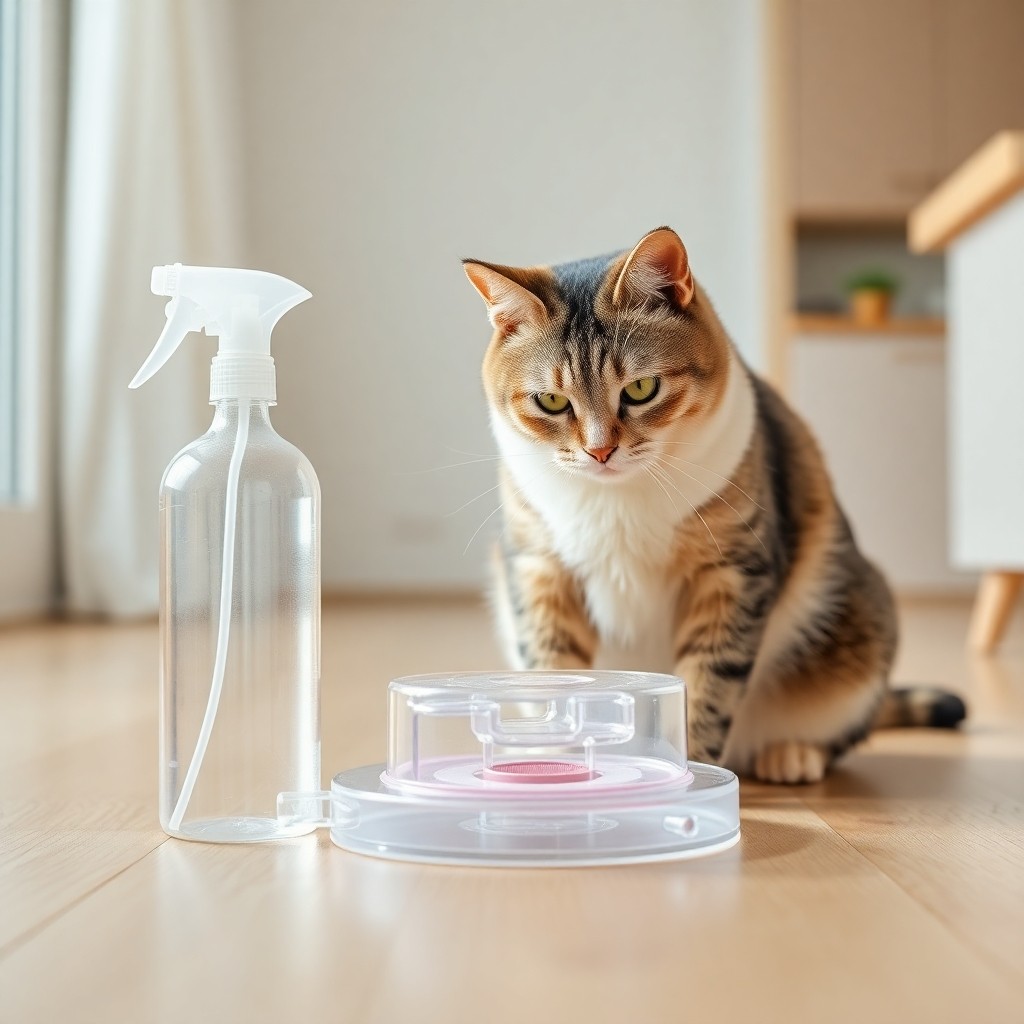
Deterrent sprays are secondary training aids designed to create an unpleasant sensory association with specific, non-movable target items (like furniture edges, power cords, or heavy rugs). They are never a standalone solution, but they can act as a temporary barrier while enrichment protocols take effect.
When selecting a deterrent spray, safety is paramount. Many household items and essential oils are highly toxic to felines due to their lack of specific liver enzymes needed to process these compounds.
- Bittering Agents: Non-toxic sprays containing denatonium benzoate (commonly known as bitter apple) are highly effective. Cats have highly sensitive bitter taste receptors. A single taste test of a treated item usually discourages further oral investigation.
- Citrus-Based Sprays: Cats naturally detest the scent of citrus. Water-based sprays infused with natural lemon or orange extracts (free from toxic essential oils) can act as an olfactory boundary marker without requiring the cat to actually taste the item.
For owners, this means you must apply the deterrent spray consistently every 24 to 48 hours, as the active bittering compounds evaporate and lose their potency over time. Always test a small, hidden patch of fabric first to ensure the spray does not stain your household items.
Summary of Intervention Strategies for Feline Pica
The following table outlines the key components of a comprehensive pica management plan, including safety ratings and target application frequencies according to veterinary behavior guidelines.
| Intervention Category | Specific Strategy | Frequency / Target Range | Primary Benefit & Safety Level |
|---|---|---|---|
| Medical Diagnostics | Full veterinary blood panels, fecal testing, and abdominal ultrasounds. | Initial diagnosis & annual checkups. | Rule out nutritional deficiencies, parasites, and IBD. (Critical) |
| Dietary Adjustment | Transitioning to high-fiber diets or veterinary-prescribed gastrointestinal formulas. | Daily feeding schedule. | Improves satiety and reduces the biological urge to ingest foreign fiber. (High Safety) |
| Cognitive Enrichment | Food puzzles, treat-dispensing balls, and hidden foraging stations. | 100% of daily kibble ration. | Redirects oral fixation and predatory drive into positive mental work. (High Safety) |
| Deterrent Application | Water-based bitter apple or natural citrus sprays applied to target items. | Apply every 24–48 hours. | Creates negative sensory association. Never use toxic essential oils. (Moderate Safety) |
When to Seek Emergency Veterinary Care
Even with strict environmental enrichment and deterrent protocols, accidents can happen. If you suspect your cat has successfully ingested a foreign object, you must monitor them closely for signs of gastrointestinal obstruction. Intestinal blockages are life-threatening medical emergencies that require immediate surgical intervention.
Contact your emergency veterinarian immediately if your cat exhibits any of the following clinical symptoms:
- Persistent vomiting or retching, especially after attempts to drink water or eat.
- Lethargy, depression, or sudden social withdrawal.
- Abdominal pain, tenderness, or vocalization when the belly is touched.
- Loss of appetite (anorexia) lasting more than 12 to 24 hours.
- Inability to pass stool, straining in the litter box, or diarrhea.
References
- American Association of Feline Practitioners (AAFP) – Feline Environmental Needs Guidelines.
- International Society of Feline Medicine (ISFM) – Diagnostic and Behavioral Protocols for Feline Obsessive-Compulsive Behaviors.
- American College of Veterinary Behaviorists (ACVB) – Managing Pica and Stereotypic Behaviors in Domestic Cats.