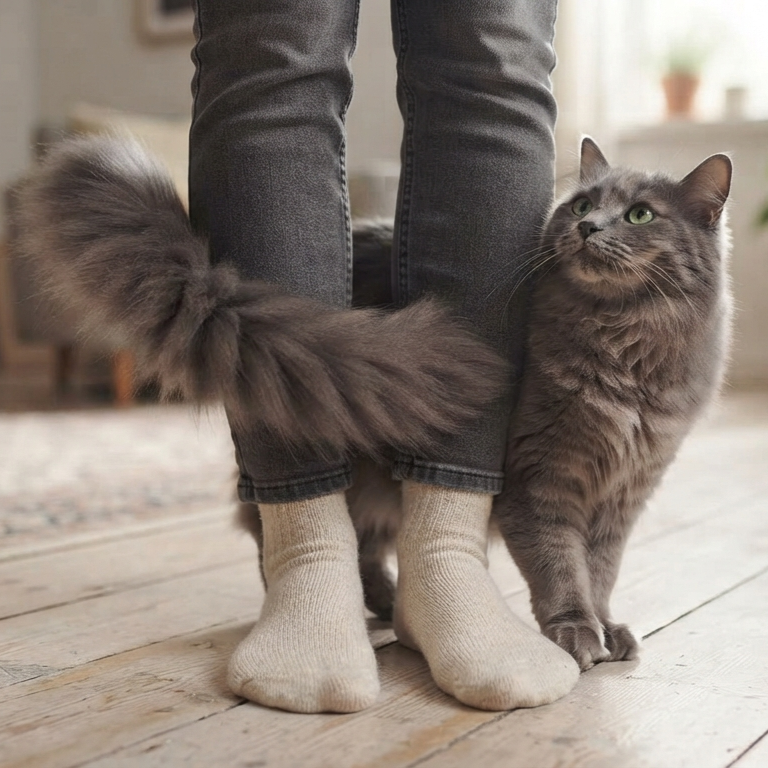

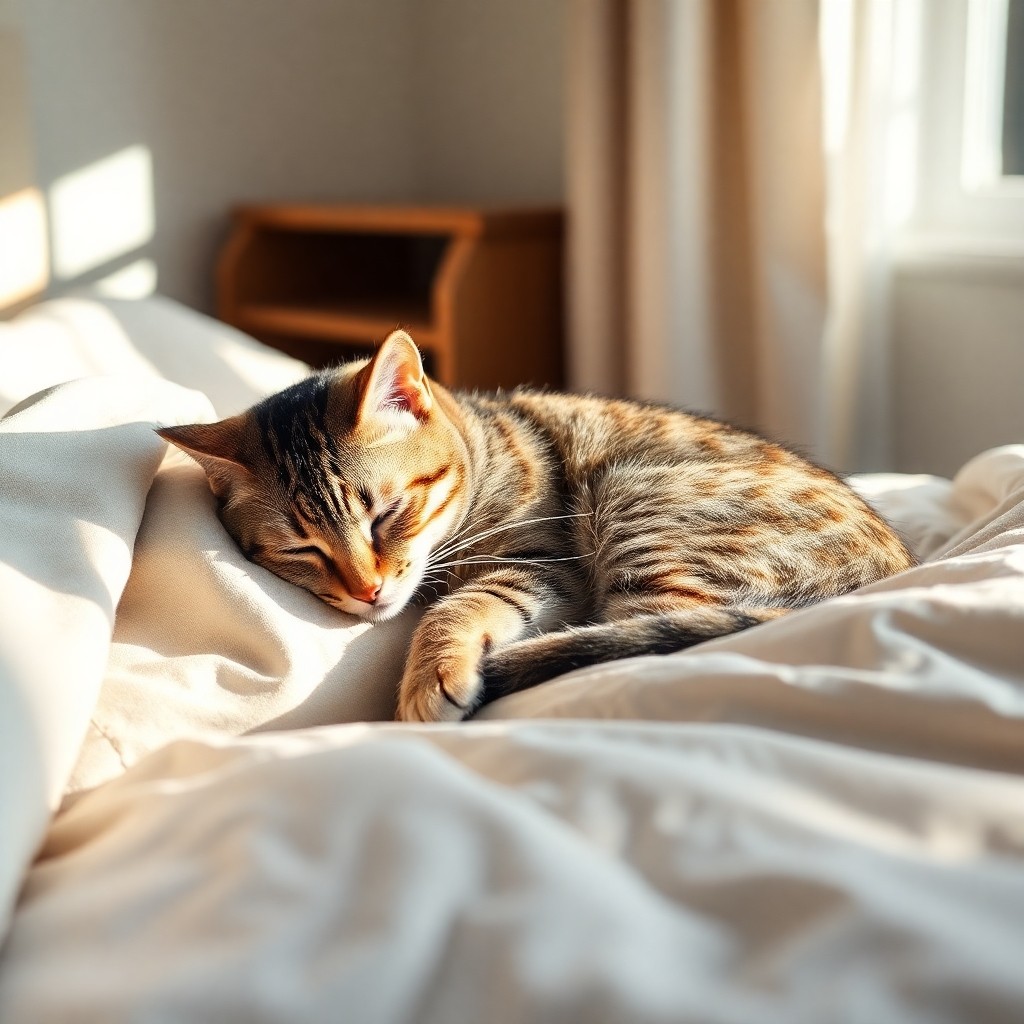
If you’ve ever woken up with a heavy purring engine resting squarely on your ribs, you already know that your cat’s bedtime habits go far beyond simple laziness. Curling up directly on your chest is one of the ultimate signs of feline trust, blending modern domestic affection with ancient wild instincts.
Cats sleep on your chest primarily for warmth, security, and deep social bonding. By positioning themselves close to your heartbeat, they find comfort in your rhythmic breathing while claiming you as a safe, trusted protector.
The Core Reasons Your Cat Craves Your Chest
Feline behavior can sometimes feel mysterious, but their sleeping habits are deeply rooted in evolutionary biology, survival mechanisms, and social structures. Here is a breakdown of why your chest is your cat’s favorite destination.
1. Seeking the Ultimate Heat Source
A cat’s normal body temperature ranges between 101 and 102.5 degrees Fahrenheit. Because their baseline temperature is higher than ours, they require extra energy to maintain it, especially during rest when their metabolism slows down. Your chest radiates a significant amount of consistent, concentrated body heat, making it the perfect personal radiator for a resting feline.
2. The Comforting Rhythm of Your Heartbeat
When kittens are born, they spend their first weeks of life huddled closely against their mother and littermates. The sound and vibration of a steady heartbeat represent safety, food, and survival. Sleeping on your chest allows your cat to tune into your heartbeat and respiration, which acts as a natural pacifier that reduces their stress levels.
3. Security and Survival Instincts
In the wild, sleep is a highly vulnerable state. By choosing to sleep on you, your cat is positioning themselves in a highly secure location. Because they trust you implicitly, they view you as a giant shield against potential predators. Additionally, sleeping elevated on your chest gives them a slightly higher vantage point, which aligns with their natural instinct to observe their environment from high ground.
4. Scent Marking and Territorial Bonding
Cats communicate heavily through scent. They possess scent glands on their cheeks, chin, and paws. When they lay on your chest, they are rubbing their scent onto you, effectively marking you as a beloved member of their family. In the feline world, this communal scent creation is called ‘allorubbing’, and it reinforces their sense of belonging and ownership over their human companion.
5. Deep Affection and Trust
Contrary to the stereotype that cats are aloof, they are highly social animals that form intense emotional bonds with their owners. Choosing to sleep on your chest is a physical manifestation of love. By placing themselves so close to your face, they are expressing absolute vulnerability and affection.
The Pros and Cons of Chest Sleeping
While having a purring cat on your chest is an incredibly comforting experience, it does come with a few practical trade-offs. Understanding these can help you manage your nighttime routine.
- Pro: Stress Reduction. The physical touch and rhythmic purring of a cat release oxytocin in humans, lowering blood pressure and anxiety.
- Pro: Enhanced Bonding. Spending quiet hours in close physical contact strengthens the emotional connection between you and your pet.
- Con: Sleep Disruption. Cats are crepuscular, meaning they are most active during dawn and dusk. Their movements might wake you up throughout the night.
- Con: Breathing Restriction. For those with allergies, asthma, or heavier cats, having a pet rest directly on the ribcage can make breathing feel constricted.
How to Gently Move a Cat Off Your Chest
If your cat is too heavy, or if their nighttime cuddles are keeping you from getting a restful night of sleep, you can gently transition them to a new spot without breaking their trust. Use these gentle redirection methods:
- Create an irresistible alternative: Place a heated cat bed or a cozy, fleece blanket right next to your pillow or at the foot of your bed to mimic your body warmth.
- Use your scent: Place a recently worn t-shirt in their designated sleeping spot to make them feel just as secure as they would on your chest.
- Encourage daytime play: Engage your cat in active play sessions right before bedtime, followed by a meal. This triggers the natural ‘hunt, eat, groom, sleep’ cycle, making them more likely to fall asleep quickly on their own bed.
Frequently Asked Questions
Why does my cat sleep on my chest and purr?
Purring is a self-soothing behavior that signifies deep contentment and relaxation. When your cat sleeps on your chest and purrs, they are releasing endorphins that help both of you feel incredibly safe, calm, and bonded.
Is it bad if my cat sleeps on my chest every night?
In most cases, it is completely harmless and highly beneficial for your emotional bond. However, if you suffer from severe allergies, asthma, or sleep apnea, having pet dander and weight on your chest can exacerbate these respiratory symptoms.
Why does my cat heavy-breathe when sleeping on me?
Just like humans, cats enter deep REM sleep where their breathing can become irregular, rapid, or heavy as they dream. However, if you notice your cat is constantly wheezing or struggling to breathe while awake, you should consult a veterinarian immediately.