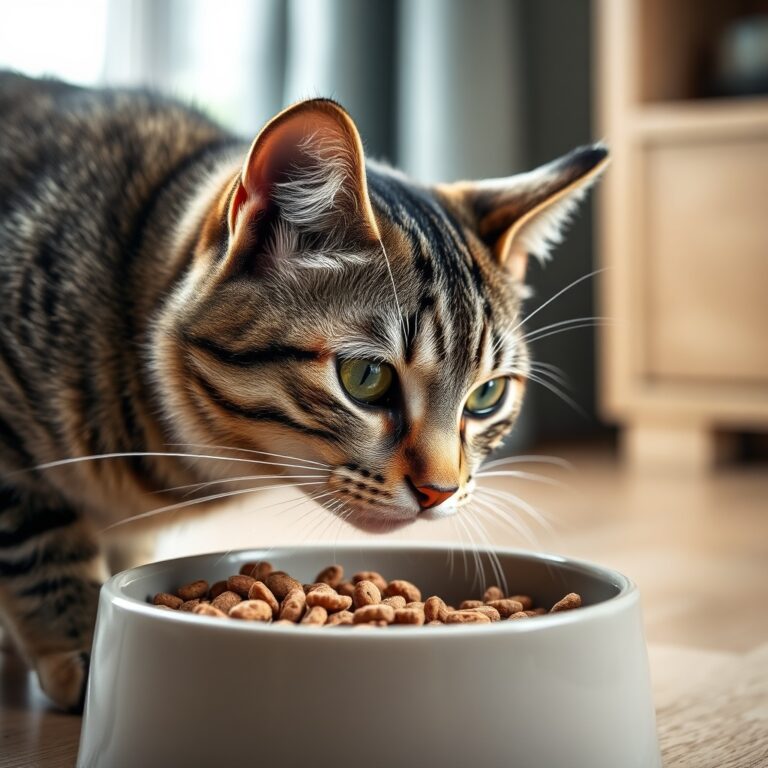
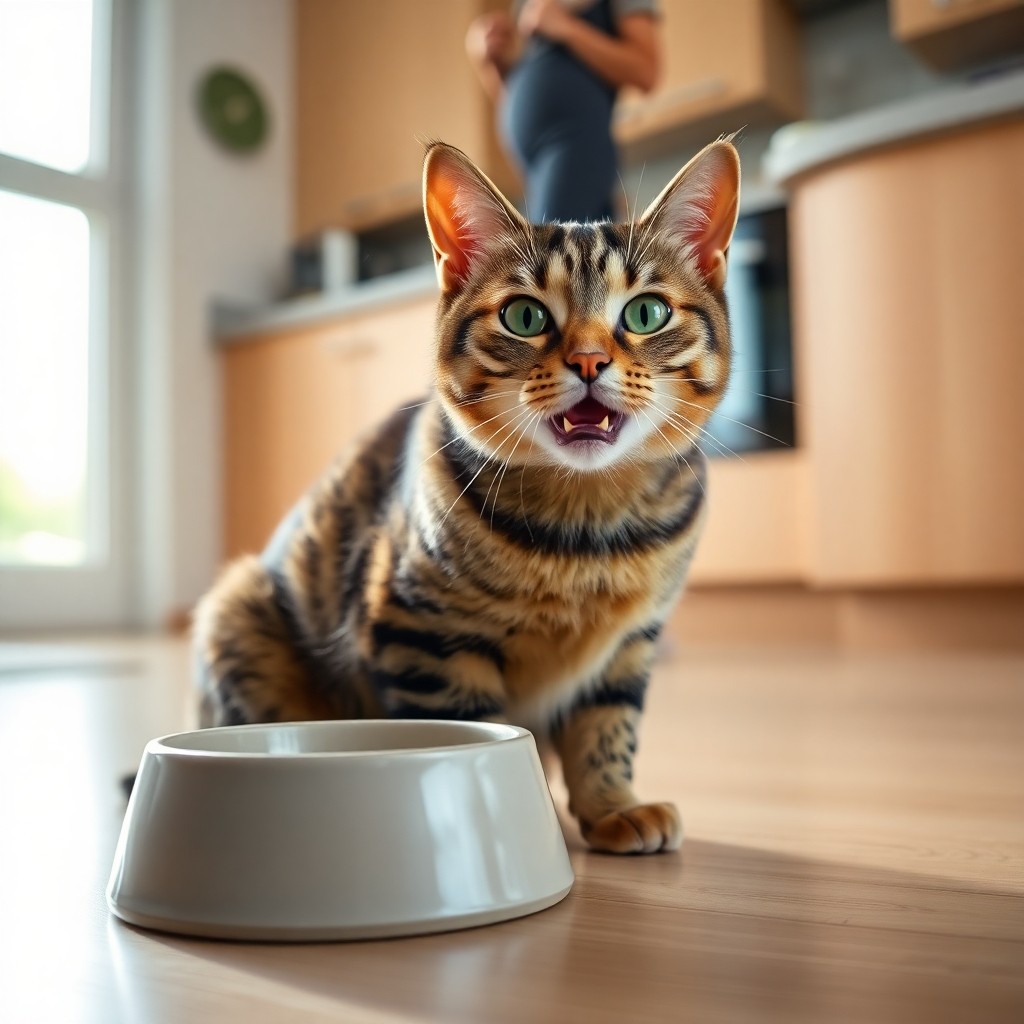
You set down the empty food bowl, turn around, and immediately hear your cat start meowing all over again. While it is easy to brush off this post-meal vocalization as a quirky personality trait, your cat is actually trying to tell you something important—ranging from lingering hunger to subtle digestive discomfort.
Cats meow after eating primarily to express satisfaction, request more food, seek social interaction, or signal physical discomfort such as digestive issues or dental pain. Understanding the specific context of the meow helps determine whether it is a harmless habit or a sign that requires veterinary attention.
The Primary Reasons Cats Meow After Meals
To decode your cat’s post-meal vocalizations, you must look at their body language and the context of the environment. Here are the most common drivers behind this behavior:
- Instinctual Pride: In the wild, successful hunts are major milestones. Your domestic cat may view finishing their wet food or kibble as a successful hunt and meow to announce their triumph to the household.
- The Quest for Seconds: If your cat is highly food-motivated, a simple meow is often an attempt to demand more food. This behavior is quickly reinforced if you give in and offer extra treats or kibble to quiet them down.
- Digestive Discomfort: Sometimes, eating too fast causes gas, nausea, or mild acid reflux. A plaintive, low meow shortly after swallowing food can be a sign that their stomach is upset.
- Social Gratitude and Bonding: Cats often associate food with positive social bonding. A soft chirp or meow near you after they finish eating can simply be their way of saying thank you or initiating play.
- Underlying Medical Conditions: Conditions like hyperthyroidism or diabetes can dramatically increase a cat’s appetite and metabolism, leaving them feeling constantly starved even immediately after consuming a full meal.
An Actionable Plan to Manage Post-Meal Meowing
If the vocalizing has become an annoying daily routine, you can reshape this behavior with a structured approach. Use these practical steps to bring peace back to your kitchen:
Step 1: Transition to Puzzle Feeders
Fast eating is a primary cause of digestion-related vocalizing. Slow down their consumption rate by replacing standard bowls with interactive puzzle feeders or lick mats. This prolongs the mealtime and satisfies their natural hunting instincts.
Step 2: Establish Strict Feeding Schedules
Free-feeding or random feeding times can create anxiety around food availability. Feed your cat at the exact same times every day. This consistency helps regulate their internal clock and reduces anxious vocalizations.
Step 3: Ignore Demanding Behavior
If your cat meows for more food, avoid talking to them, looking at them, or giving them treats. Any attention, even negative attention like sighing or telling them to be quiet, reinforces the behavior. Walk away and wait for at least ten minutes of silence before initiating any play or grooming.
Step 4: Schedule Interactive Playtimes
Provide mental and physical stimulation before meals. A vigorous play session with a feather wand followed by a meal mimics the natural ‘hunt, catch, eat, groom, sleep’ cycle, which helps transition your cat into a relaxed state post-meal.
Common Mistakes to Avoid
Many well-meaning owners accidentally reinforce the very behaviors they want to stop. Avoid these common pitfalls:
- Giving ‘just a little bit’ more food: Yielding to their demands even once teaches your cat that persistent vocalizing works.
- Using punishment: Shouting or spraying water creates fear and worsens anxiety-driven meowing.
- Overlooking sudden changes in older cats: If a previously quiet senior cat suddenly starts meowing loudly after meals, do not assume it is behavioral. Get them screened for age-related conditions like cognitive decline or high blood pressure.
Frequently Asked Questions
Should I feed my cat again if they keep meowing after their meal?
No, you should not feed them again. Doing so reinforces demanding behavior and can quickly lead to feline obesity. If you suspect they are genuinely not getting enough calories, consult your veterinarian to calculate their precise daily caloric needs.
How do I know if my cat is meowing due to pain?
Pain-related meows are typically higher-pitched, more urgent, or accompanied by tense body posture, crouching, or hiding. If your cat also displays drooling, changes in chewing habits, or vomiting, a medical evaluation is necessary.
Could a dirty food bowl cause this behavior?
Yes, cats are highly sensitive to cleanliness. A bowl with leftover food residue or strong odors can irritate them, leading to vocal protests after they finish eating what they can tolerate.