
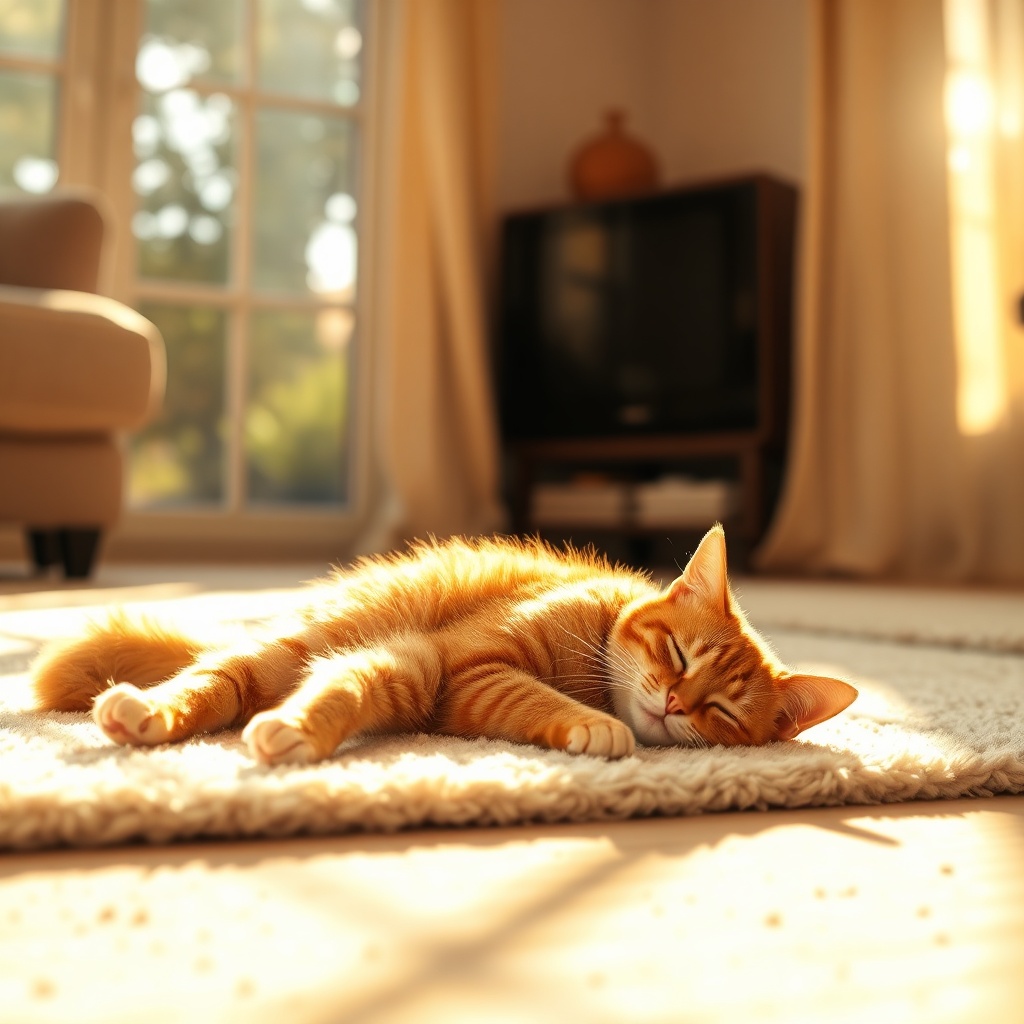
If you have ever watched your cat slowly track a moving patch of sunlight across the living room floor, you have likely just witnessed one of their favorite daily rituals. While curling up in a warm beam of light looks like the ultimate way to enjoy a lazy afternoon, this endearing behavior is actually driven by some fascinating biology and evolutionary instincts.
Cats love sleeping in the sun because their high basal body temperature requires significant energy to maintain; by absorbing solar heat, they conserve metabolic energy and keep their internal thermostat balanced without burning calories.
The Science of Feline Thermoregulation
To understand why your cat chases sunbeams across the living room floor, you have to look at their ancestors. Domestic cats descended from the African wildcat (Felis lybica), a desert-dwelling species built to withstand high temperatures. Because of this genetic heritage, a cat’s normal body temperature ranges between 100.5 and 102.5 degrees Fahrenheit (38.1 to 39.2 degrees Celsius), which is significantly higher than the human average.
Maintaining this high body temperature requires a lot of metabolic energy. When a cat sleeps, their body temperature naturally drops. By positioning themselves in direct sunlight, they use external solar energy to keep warm instead of burning valuable calories to generate internal heat. This behavioral thermoregulation is a highly efficient survival strategy that allows them to conserve physical resources for hunting and play.
The Vitamin D Myth vs. Reality
A common myth among pet lovers is that cats sleep in the sun to synthesize Vitamin D, much like humans do. While it is true that solar exposure interacts with oils on a cat’s fur, the reality is a bit more complicated.
Humans synthesize Vitamin D through their skin when exposed to UV light. Cats, however, have thick fur and skin that is highly inefficient at converting sunlight into Vitamin D. While some minimal synthesis occurs in the sebum secreted by their skin, they cannot rely on sunbathing to meet their nutritional needs. Instead, cats obtain virtually all of their essential Vitamin D through their diet. The primary driver for sunbathing remains thermal comfort rather than nutrient synthesis.
Comfort, Security, and Deep Sleep Cycles
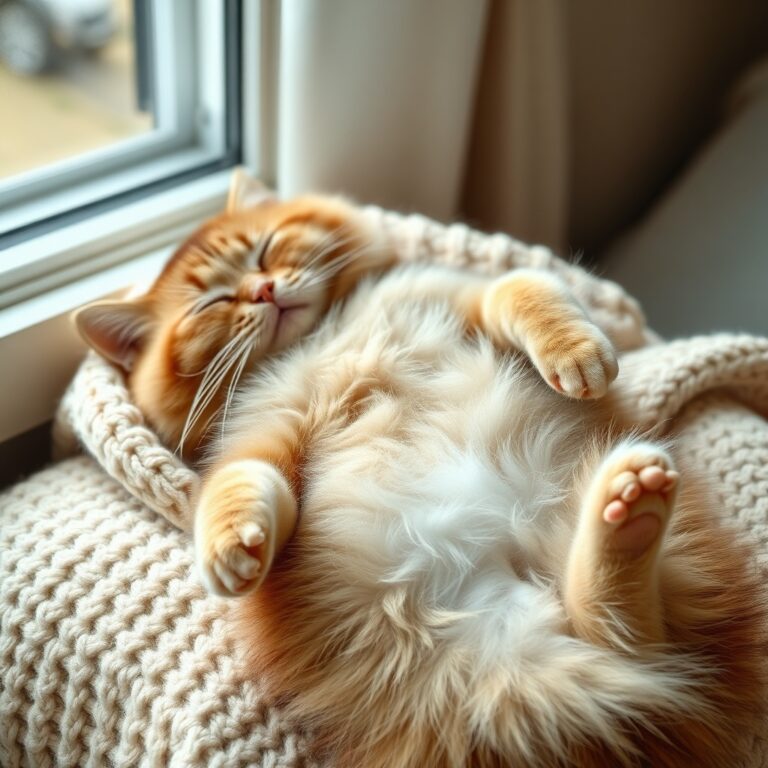
Cats spend up to 16 hours a day sleeping, but not all sleep is created equal. They cycle through light, alert snoozes and deep, restorative REM sleep. During deep sleep, their muscles relax completely, and their body temperature drops to its lowest point.
A warm sunspot provides a safe, highly comforting microclimate that allows your cat to slip into deep sleep without waking up from a chill. Because they feel warm and secure, their nervous system can fully relax, promoting better physical healing and mental processing.
Quick Facts: Feline Sun-Seeking Behavior
- Desert Ancestry: Their bodies are naturally adapted to arid, hot environments, making them highly tolerant of heat that humans would find uncomfortable.
- Energy Conservation: Using solar heat reduces the amount of metabolic energy needed to maintain their baseline body temperature.
- Pain Relief: Gentle solar warmth can soothe stiff joints and provide comfort to aging or arthritic cats.
- Dynamic Tracking: Cats possess a keen internal clock and spatial awareness, allowing them to follow moving patches of sunlight across a room throughout the day.
Sunbathing Safety: When Is It Too Hot?
While sunbathing is healthy, too much sun can pose risks, especially for indoor-only cats who might not have access to natural shade or fresh water. Owners must monitor their pets to prevent heat-related issues.
Sunburn and Skin Cancer
Just like humans, cats can get sunburned. This is especially true for hairless breeds (like the Sphynx), cats with white or light-colored fur, and those with thin hair around their ears, nose, and eyelids. Chronic sun exposure in these vulnerable areas can lead to solar dermatitis, which can eventually progress to squamous cell carcinoma, a common type of feline skin cancer.
Dehydration and Heatstroke
If a cat falls into a very deep sleep in a hot window box or sunlit enclosure, they can overheat. Watch for signs of distress such as heavy panting, drooling, lethargy, red gums, or a hot-to-the-touch body. Always ensure your cat can easily walk away from the sunspot to a cool, shaded area with plenty of fresh, clean water.
How to Create the Perfect, Safe Sunspot
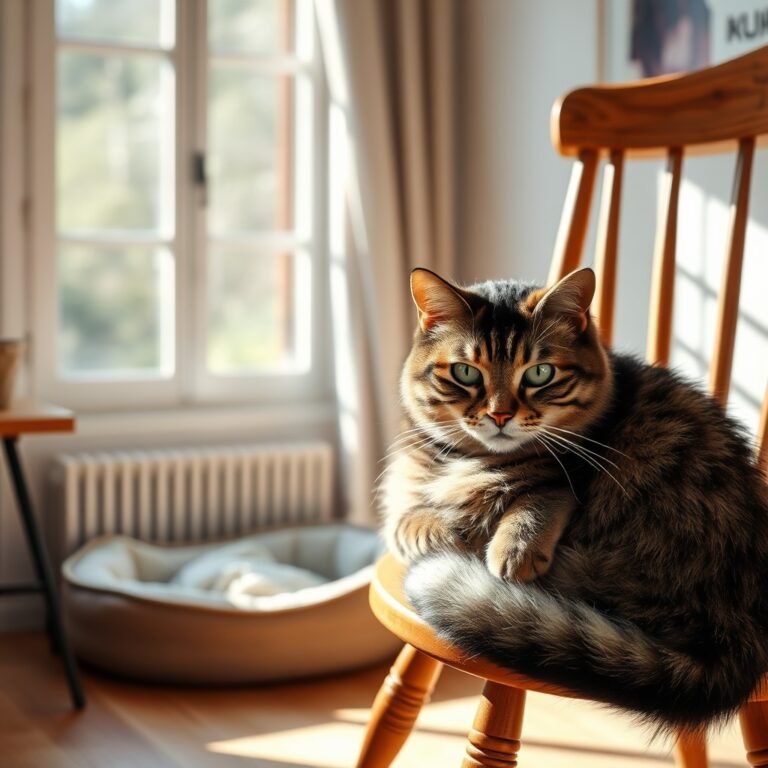
You can easily satisfy your cat’s natural desire for warmth while keeping them safe. Set up a comfortable cat bed or hammock near a window that receives morning light, which is less intense than harsh afternoon rays. If you have a light-colored or hairless cat, consider applying pet-safe, non-toxic sunscreen to their ear tips and nose, or install a UV-blocking window film that filters out harmful ultraviolet radiation while still letting through cozy warmth.
Frequently Asked Questions
Can cats get sunburned through glass windows?
Yes, cats can still get sunburned through glass. While standard window glass blocks most UVB rays, it still allows UVA rays to pass through, which can damage sensitive feline skin over time.
Why does my cat pant after lying in the sun?
Panting is not normal behavior for cats. If your cat is panting after sunbathing, it means they are dangerously overheated and trying to cool down. Move them to a cool room immediately, offer fresh water, and contact your veterinarian.
Do senior cats need more sunlight?
Older cats often seek out warm spots more frequently because their bodies have a harder time regulating temperature, and the gentle heat helps soothe chronic joint pain and arthritis.