
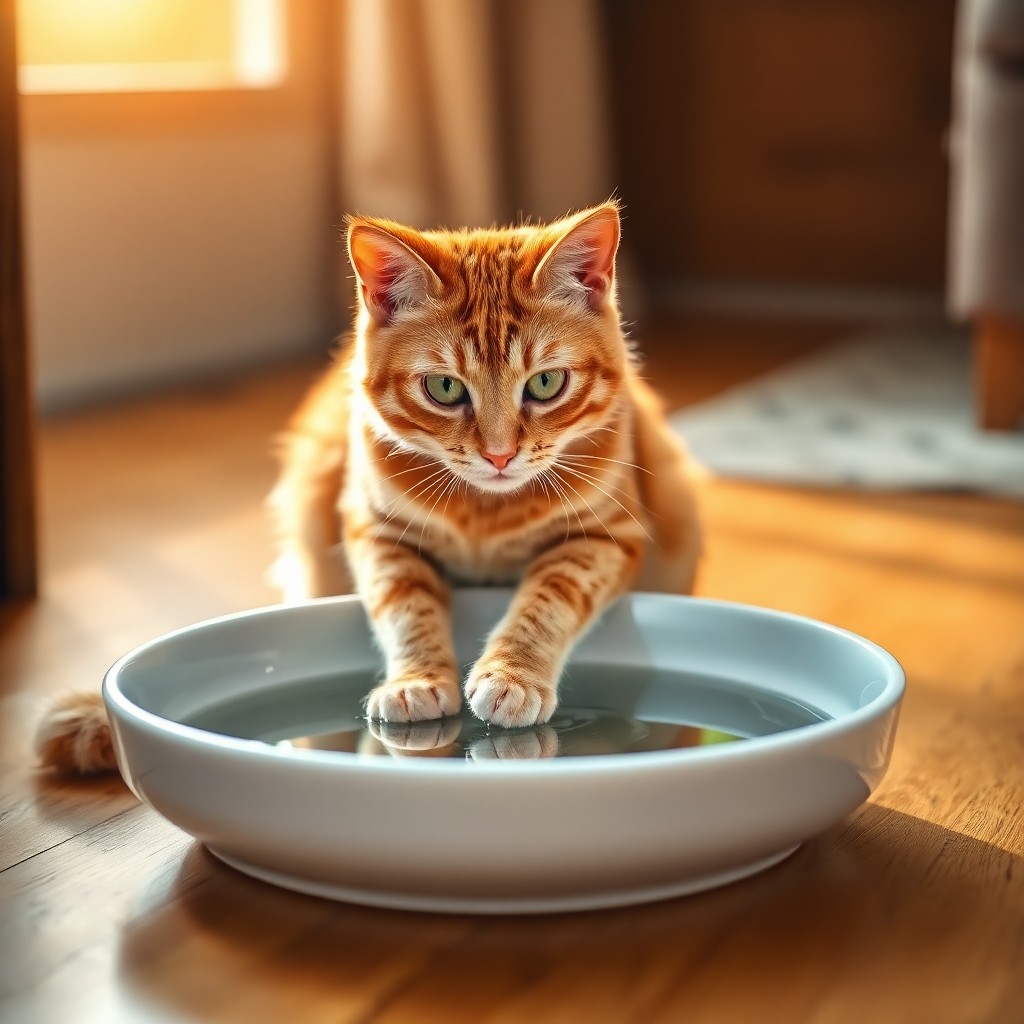
If you have ever watched your cat pause by its water bowl, reach out a single paw, and give the surface a deliberate splash before taking a sip, you are not alone. While this quirky ritual often looks like harmless playfulness, it is actually driven by a mix of feline sensory biology, evolutionary instinct, and sometimes even frustration with the bowl itself.
Cats dip their paws in water before drinking primarily to avoid ‘whisker fatigue’ caused by narrow bowls, to gauge the depth of still water which they cannot see clearly, or to satisfy a natural instinct to trigger movement in the water for safety.
Why Cats Dip Their Paws in Water: The Core Reasons
To understand why your cat prefers using its paw as a ladle rather than drinking directly, we have to look at feline anatomy, sensory perception, and evolutionary history. Here are the main drivers behind this common behavior:
1. Whisker Fatigue: Sensory Overload
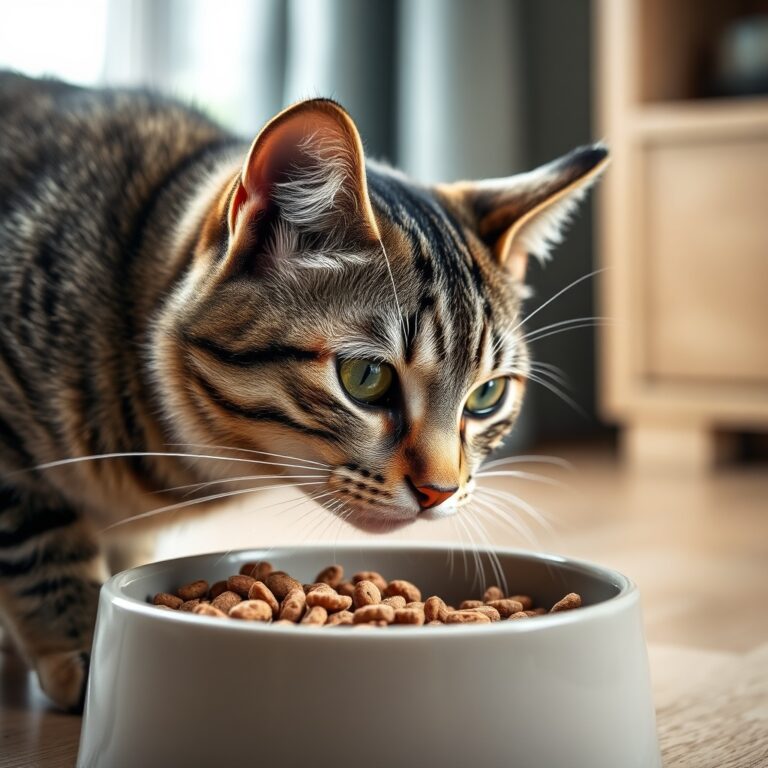
A cat’s whiskers, or vibrissae, are highly sensitive sensory organs packed with nerve endings. When a cat puts its face into a deep, narrow water bowl, its whiskers constantly brush against the sides. This continuous tactile feedback can cause sensory overload, a highly uncomfortable state known as ‘whisker fatigue’. To avoid this irritation, cats will use their paws to scoop water out of the bowl or lick the moisture directly off their fur, keeping their sensitive whiskers completely clear of the bowl’s rim.
2. Poor Close-Up Vision and Depth Perception
While cats are incredible hunters at a distance, their close-up vision is surprisingly poor. Cats have a visual blind spot directly under their chin and struggle to focus on objects closer than 30 centimeters (about 12 inches). Because still water in a bowl is completely transparent and has no movement, it is nearly impossible for a cat to see exactly where the surface begins. Dipping a paw into the water creates physical ripples and splashing sounds, allowing the cat to accurately locate the surface level before taking a drink.
3. Evolutionary Instincts and Safety
In the wild, still standing water is often a breeding ground for harmful bacteria and parasites, whereas moving water is generally safer to consume. Your domestic cat still carries the evolutionary instincts of its wild ancestors. By batting at the water or dipping a paw, they introduce movement, mimicking flowing water. Additionally, lowering their head directly into a deep bowl blocks their peripheral vision, making them feel vulnerable to ambush. Dipping a paw allows them to keep their head up and eyes scanning the room for potential threats.
4. Seeking Physical Consistency and Comfort
Sometimes, the height of the water bowl makes drinking uncomfortable. If the water level fluctuates wildly throughout the day, your cat may get frustrated by dipping its nose too far or hitting the dry bottom of the bowl. Using a paw provides a consistent, predictable way to measure and consume the water without any wet-nosed surprises.
Quick Facts: Is Your Cat’s Water Setup Ideal?
- Bowl Width: Wide, shallow bowls prevent whiskers from touching the sides.
- Material: Ceramic or stainless steel is preferred over plastic, which scratches easily and harbors bacteria.
- Location: Cats dislike drinking near their litter box or directly next to their food bowl due to natural contamination instincts.
- Water Freshness: Water should be changed at least once a day to prevent dust accumulation and stale odors.
How to Help Your Cat Drink Comfortably
If you want to transition your cat away from paw-dipping (especially if it leads to messy puddles on your kitchen floor), minor adjustments to their hydration station can make a massive difference.
Upgrade to a Wide, Shallow Bowl
Swap out deep plastic cups or narrow bowls for wide ceramic, glass, or stainless steel dishes. A wide saucer allows your cat to lower its mouth to the water without its whiskers making any contact with the edges. This simple change instantly eliminates whisker fatigue.
Switch to a Pet Water Fountain
Because cats are naturally drawn to running water, a pet water fountain is one of the best investments you can make for your cat’s health. The continuous bubbling or streaming action makes the water highly visible, satisfies their predatory instinct for moving water, and keeps the supply fresh and aerated. Many cats immediately stop paw-dipping once they have access to a fountain.
Keep the Water Level Consistent
Fill the bowl to the exact same level every single day. Consistency helps your cat build confidence in where the water surface is, reducing the need to test the depth with their paw before drinking.
Frequently Asked Questions
Is paw-dipping a sign of illness?
In most cases, paw-dipping is a completely normal behavioral quirk or environmental preference. However, if your cat suddenly starts dipping its paws, splashing water obsessively, or drinking significantly more water than usual, it could indicate an underlying medical issue like feline diabetes, kidney disease, or hyperthyroidism. Consult your veterinarian if the behavior is accompanied by lethargy, weight loss, or increased urination.
Should I punish my cat for splashing water?
Never punish your cat for splashing or paw-dipping. This behavior is driven by deep-seated instincts or physical discomfort. Instead, address the root cause of the behavior by changing their bowl type, relocating their water source, or using a silicone mat under the bowl to catch any stray drips and protect your floors.