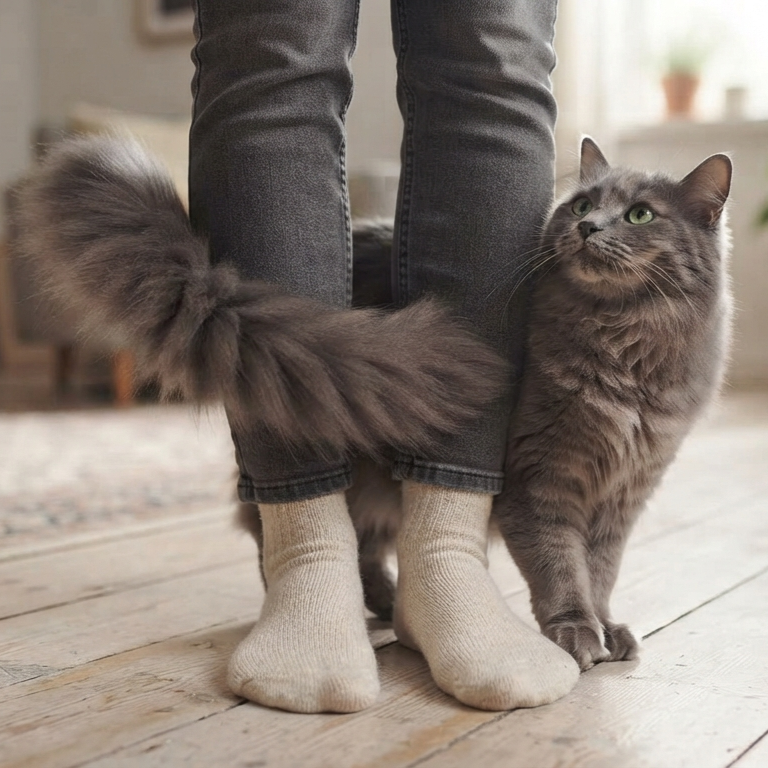

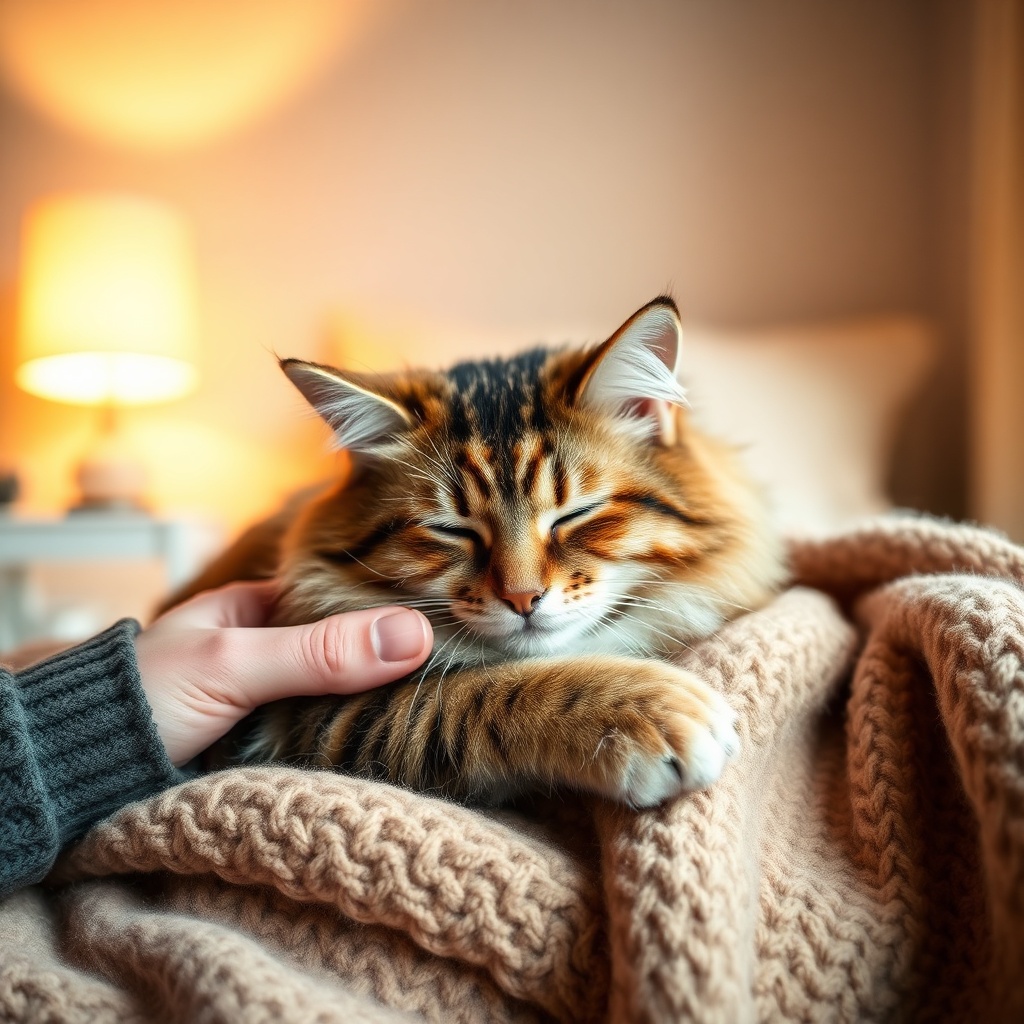
You are settled under the blankets, the room is quiet, and suddenly your cat curls up beside you, releasing a soft, rhythmic vibration. It is one of the most comforting sounds in the world, but have you ever wondered why this bedtime ritual happens so consistently?
Cats purr before falling asleep because it serves as a powerful self-soothing mechanism that lowers their heart rate, releases feel-good endorphins, and signals a state of absolute safety and biological readiness for deep rest. This behavior is deeply rooted in feline development and serves as both a physical pacifier and a survival tool.
The Biology of the Bedtime Purr
To understand why your cat vibrates before drifting off, it helps to look at the physiological mechanisms behind the purr. Purring is not just a simple vocalization; it is a complex physical reflex controlled by a neural oscillator in the cat’s brain. This oscillator sends rhythmic messages to the laryngeal muscles, causing them to twitch at a frequency of 20 to 140 Hertz.
Hormonal Harmony and Self-Soothing
When a cat purrs, the rhythmic vibration stimulates the release of endorphins within their central nervous system. These hormones act as natural painkillers and mood elevators. For a sleepy cat, this hormonal release acts as a biological transition state, easing them from a state of alert environmental monitoring into the vulnerability of sleep. It is the feline equivalent of a human listening to white noise or taking slow, deep breaths before drifting off.
Low-Frequency Healing
Fascinatingly, veterinary scientists have discovered that the specific frequencies of a cat’s purr (particularly those between 20 and 50 Hertz) can actually promote bone density, muscle regeneration, and cellular repair. Because cats spend a significant portion of their day resting to conserve energy, purring during these quiet moments may be a low-energy way to keep their bodies healthy and structurally sound during periods of inactivity.
Cozy Quick Facts: The Sleep-Purr Connection
Here is a quick look at why this bedtime ritual is so common and what it tells us about feline psychology:
- Kittenhood Nostalgia: Kittens are born blind and deaf, but they can feel the vibrations of their mother’s purr. Nursing kittens purr to tell their mother where they are and that they are getting milk. This early link between purring, safety, and nourishment remains active throughout a cat’s adult life.
- Establishing a Safe Zone: Before closing their eyes, cats need to feel completely secure. Purring reassures them that their immediate surroundings are safe, allowing them to lower their biological defenses.
- Social Bonding: When your cat purrs while curling up next to you, they are actively marking you as a trusted member of their family. This shared bedtime routine strengthens the emotional bond between pet and owner.
How the Bedtime Purr Benefits You
The comforting hum of a purring cat does not just benefit the feline; it has measurable positive effects on human health as well. Living with a purring cat can actively improve your own sleep quality and psychological well-being.
Research suggests that the sound and physical sensation of a cat purring next to a human can lower blood pressure, reduce cortisol levels, and ease feelings of anxiety. The steady 20 to 140 Hertz vibration mimics therapeutic sound healing, helping your own nervous system settle down after a high-stress day. Many cat owners report falling asleep faster and experiencing deeper sleep cycles when their feline companion joins them for a bedtime purr session.
When to Check with a Vet
While the vast majority of bedtime purring is a sign of pure contentment, it is essential to look at the context of your cat’s behavior. Cats also use purring as a coping mechanism to deal with pain, fear, or physical discomfort.
If your cat is purring constantly while awake, refusing food, hiding in unusual spots, or showing signs of labored breathing, the purring may be an attempt to self-soothe through physical distress rather than a sign of relaxation. If you notice these subtle behavioral changes alongside the purring, schedule a checkup with your veterinarian to rule out underlying health issues.
Frequently Asked Questions
Do all cats purr before they go to sleep?
Not all cats purr before falling asleep. While it is a incredibly common behavior, some cats prefer to find a quiet, hidden corner and drift off in silence. Each cat has a unique personality and set of sleeping preferences.
Why does my cat purr and then bite me before sleeping?
This behavior is often a result of overstimulation or ‘love bites’. Your cat may be highly relaxed but suddenly feels overwhelmed by too much petting or physical contact. Pay close attention to subtle warning signs like a twitching tail or shifting ears to know when to stop petting.
Can a cat purr when they are in pain or sick?
Yes, cats frequently purr when they are injured, stressed, or sick. Because purring releases endorphins and has natural healing properties, it serves as an internal mechanism to help them cope with discomfort. Always evaluate your cat’s overall energy levels, posture, and appetite alongside their purring.