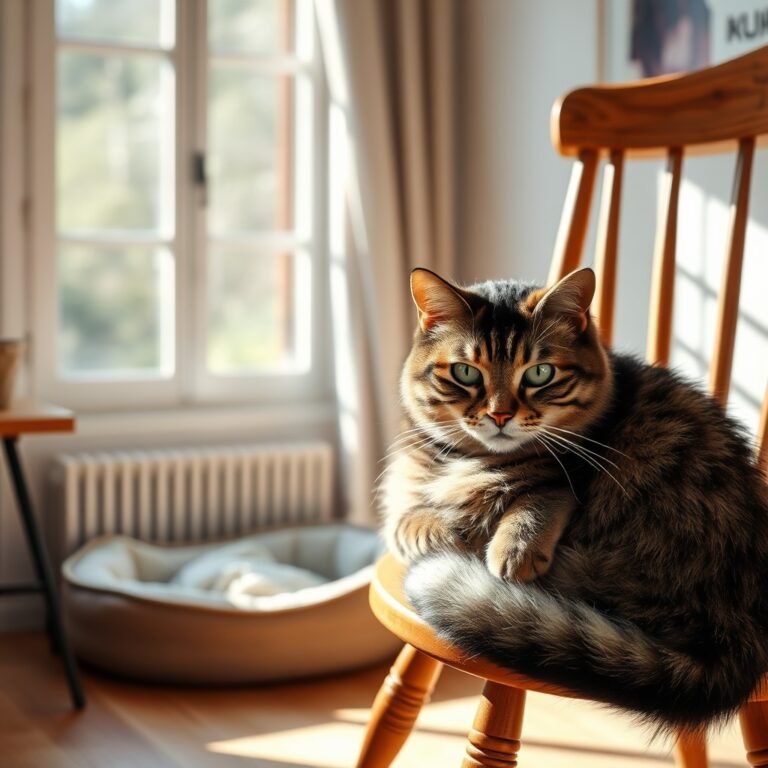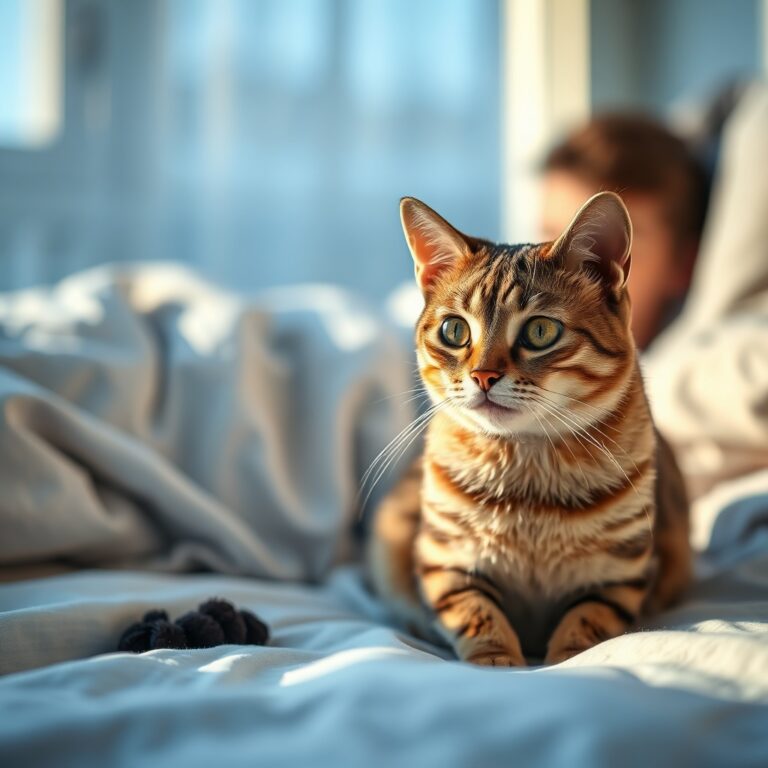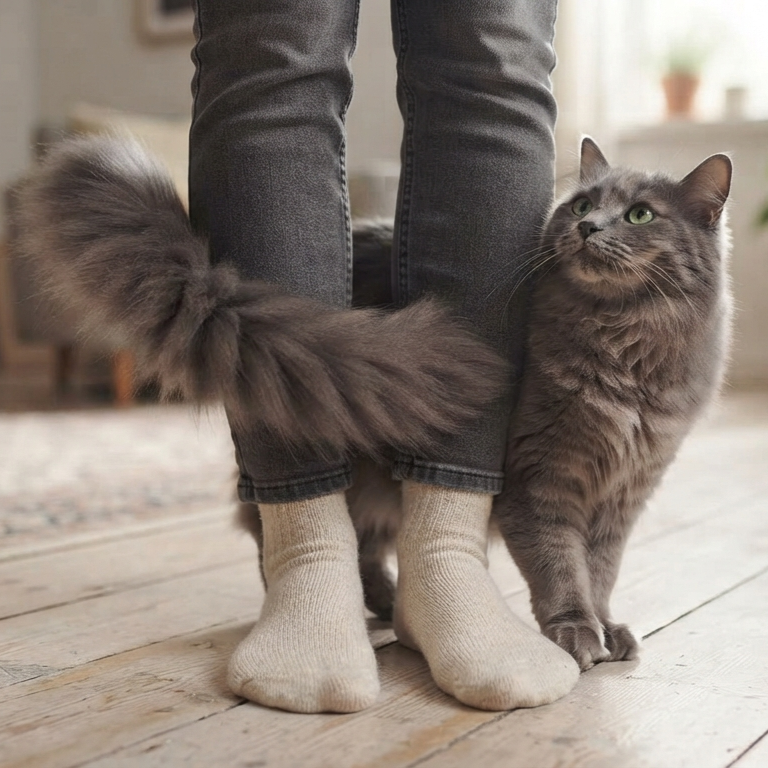

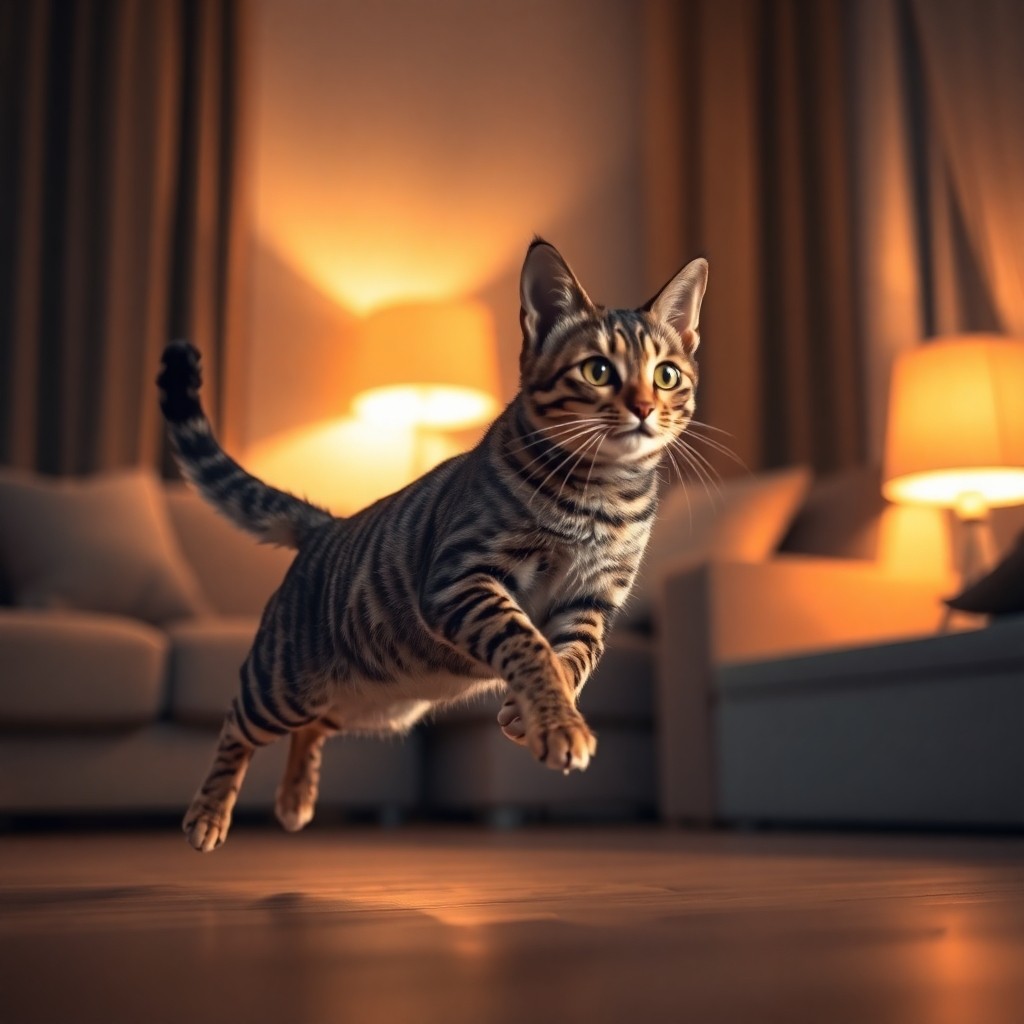
One minute your cat is fast asleep on the couch, and the next, they are transforming into a miniature race car across the bedroom floor at three in the morning. That sudden burst of midnight madness, famously known as the zoomies, can instantly shatter your sleep and leave you staring at the ceiling wondering what just happened.
Cats get the zoomies at night due to accumulated excess energy, their natural crepuscular hunting instincts, and a lack of daytime stimulation. Because cats are naturally wired to be active during dawn and dusk, they release built-up daytime energy through sudden, explosive bursts of running and jumping.
The Root Causes of Midnight Zoomies
Understanding why your feline friend suddenly transforms into a nocturnal athlete is the first step toward restoring peace to your household. While it may look like random chaos, this behavior is driven by clear biological and environmental factors.
- Crepuscular Instincts: Unlike humans, cats are crepuscular, meaning they are naturally most active during the twilight hours of dawn and dusk. This is when their wild ancestors would hunt, and your domestic cat still carries those biological rhythms.
- Pent-Up Energy: Domestic cats spend an average of 12 to 16 hours a day sleeping. If they spend their waking hours lounging while you are at work, they accumulate a massive surplus of physical and mental energy that needs an outlet.
- Attention-Seeking Behavior: Cats quickly learn that sprinting across your head or knocking items off nightstands at 3 AM gets an immediate reaction from you. Even negative attention, like being shooed away, can reinforce this cycle.
- Potential Medical Issues: While zoomies are usually behavioral, sudden nighttime hyperactivity in older cats can sometimes point to underlying health issues like hyperthyroidism or feline cognitive dysfunction.
How to Stop Nighttime Zoomies: A Step-by-Step Action Plan
To shift your cat’s energy cycle to align better with your sleeping schedule, you need to establish a structured routine. Follow these steps to help your cat wind down before bedtime.
Step 1: Implement a ‘Play, Feed, Groom, Sleep’ Routine
Mimic the natural predatory cycle of wild cats. Engage your cat in a high-intensity play session using a feather wand or laser pointer to simulate a hunt. Once they are physically tired, feed them their main meal of the evening. After eating, their natural instinct will be to groom themselves and go to sleep.
Step 2: Optimize Daytime Stimulation
Prevent your cat from sleeping all day by enriching their environment. Provide window perches, puzzle feeders, and automated toys that activate while you are away. This keeps their brain active and burns off energy during daylight hours.
Step 3: Establish a Dark, Quiet Sleeping Environment
Keep your bedroom dark and quiet. Cats have excellent night vision, and even small amounts of light can trigger their desire to hunt and play. Blackout curtains and white noise machines can help signal that it is time for rest.
Step 4: Practice Active Ignoring
If your cat begins to zoom at night, do not get out of bed, feed them, or call out to them. Any interaction rewards the behavior. Keep your eyes closed and remain still until they realize their late-night antics will not get them any attention.
Common Mistakes to Avoid
Many well-meaning cat owners inadvertently make the midnight zoomies worse by reacting in ways that reinforce or escalate the behavior.
- Feeding to Quiet Them Down: Giving your cat a midnight snack to make them stop meowing teaches them that waking you up results in a food reward.
- Using Hands or Feet as Toys: Playing with your cat using your hands or feet under the covers encourages them to attack your moving limbs while you sleep.
- Punishing Your Cat: Yelling, spraying water, or physically punishing your cat will only cause anxiety, which can actually increase hyperactive behavior.
Frequently Asked Questions
Is it normal for older cats to suddenly get nighttime zoomies?
While zoomies are most common in energetic kittens and young adults, a senior cat who suddenly develops nighttime hyperactivity should be evaluated by a veterinarian. This behavior can sometimes indicate conditions like hyperthyroidism or arthritis pain.
Should I lock my cat out of the bedroom when they get the zoomies?
Yes, closing your bedroom door is a highly effective way to establish boundaries. If your cat scratches at the door, place double-sided tape or a plastic mat in front of the threshold to deter them, and remain consistent by ignoring the noise.