
If your cat seems to spend every waking hour curled up in a sunbeam or hidden away for a marathon snooze, it is easy to wonder if they are just lazy or actually unwell. While our feline friends are legendary professional nappers, figuring out where normal relaxation ends and concerning lethargy begins is one of the trickiest parts of cat parenthood.
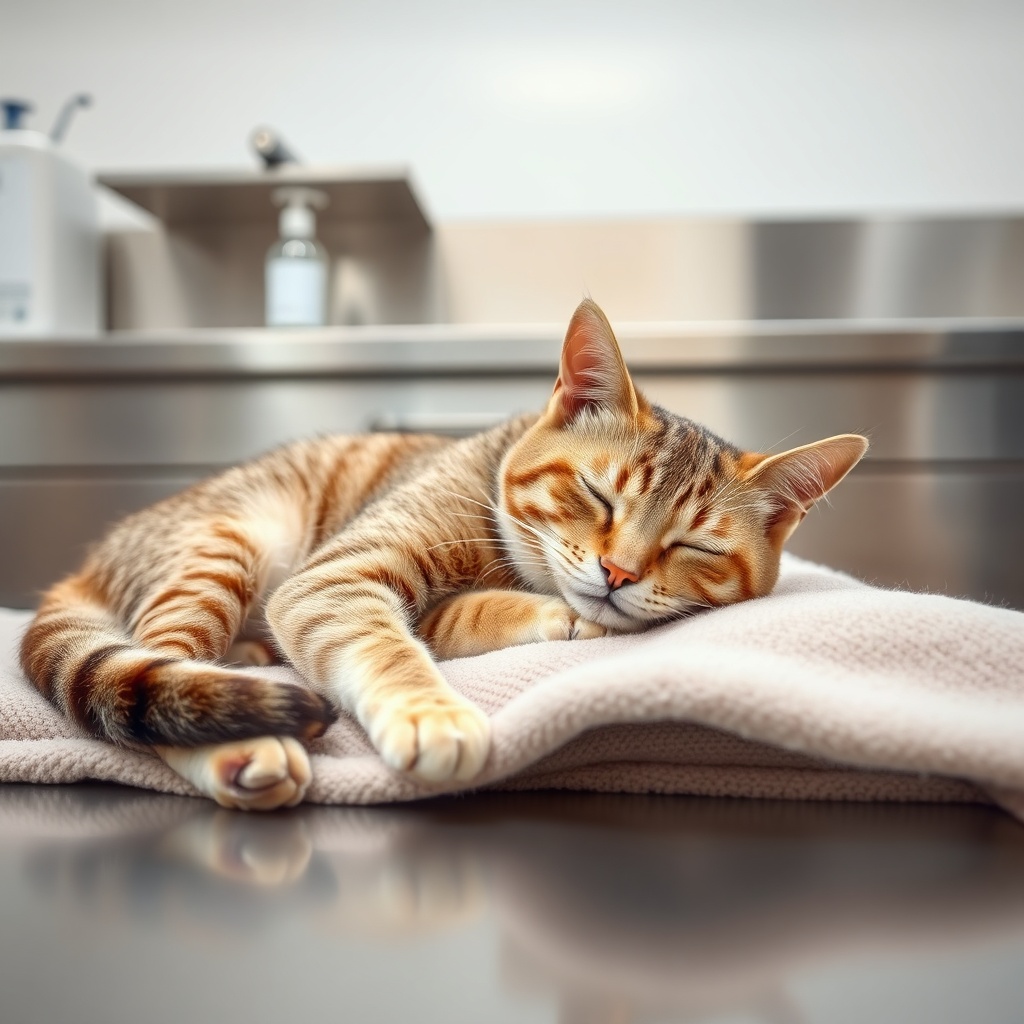
Most healthy cats sleep between 12 to 16 hours a day (and up to 20 hours for senior cats and kittens) due to their evolutionary history as crepuscular predators. While this deep rest is usually normal, a sudden change in sleeping patterns, combined with lethargy or a loss of appetite, warrants a veterinary evaluation.
Understanding the Feline Sleep Cycle
Cats are crepuscular creatures, meaning they are biologically programmed to be most active during the twilight hours of dawn and dusk. This behavioral pattern evolved from their wild ancestors, who hunted small prey active at these times. To fuel these high-energy bursts of hunting activity, a cat’s body requires significant recovery time.
Feline sleep is divided into light sleep and deep REM sleep. During light sleep, which accounts for the majority of their rest, a cat’s senses remain highly alert. Their ears may twitch, and they can spring into action instantly if they detect a sound. True deep sleep occurs in shorter intervals, lasting only about ten to fifteen minutes per cycle.
Sleep vs. Lethargy: Knowing the Difference
It is vital for caretakers to distinguish between a heavy sleeper and a clinically lethargic animal. Lethargy is a state of abnormal drowsiness, mental dullness, and a lack of response to normal stimuli, often indicating an underlying systemic medical issue.
For owners, this means that while a sleeping cat will wake up eagerly for dinner, a favorite toy, or a familiar voice, a lethargic cat will remain indifferent, slow to move, and visually uninterested in their surroundings. If a cat actively resists moving, hides in unusual places, or displays a hunched posture upon waking, these are clear indicators of physical discomfort or illness rather than natural rest.
Healthy Sleep Ranges by Life Stage
A cat’s age significantly dictates their daily sleep requirements. The American Animal Hospital Association (AAHA) emphasizes that monitoring these baseline shifts is crucial for early disease detection.
| Life Stage | Typical Daily Sleep Range | Primary Behavioral Focus |
|---|---|---|
| Kittens (0-6 months) | 18 to 20 hours | Growth hormone release and brain development |
| Adult Cats (1-10 years) | 12 to 16 hours | Energy conservation and territory maintenance |
| Senior Cats (11+ years) | 16 to 20 hours | Cognitive pacing and joint preservation |
Red Flags: When to Consult a Veterinarian
While sleeping all day can be entirely benign, specific companion symptoms require professional assessment. According to international health guidelines, a sudden increase or decrease in sleep baseline is often the first subtle sign of metabolic disease, chronic pain, or cognitive decline (WSAVA).
Schedule a professional veterinary examination immediately if the prolonged sleep is accompanied by any of the following clinical signs:
- Appetite Changes: Refusing food for more than 24 hours or showing a sudden, unexplained weight loss.
- Altered Mobility: Difficulty jumping, limping, or stiff movements upon waking, which often point to osteoarthritis in aging felines.
- Changes in Litter Box Habits: Increased urination, straining, or urinating outside the box.
- Unusual Hiding: Retreating to the back of closets or dark corners, a behavior deeply linked to pain management in solitary predators.
Environmental Boredom: The Invisible Factor
Sometimes, a cat sleeps simply because their environment offers no mental stimulation. Inactive indoor environments can lead to depression and excess sleep as a coping mechanism. To combat this, introduce interactive food puzzles, climbing shelves, and scheduled daily play sessions to mimic the predatory sequence of hunting, catching, and eating.
References
- American Animal Hospital Association (AAHA) Senior Care Guidelines.
- World Small Animal Veterinary Association (WSAVA) Pain Management Guidelines.
Frequently Asked Questions
Can a cat sleep too much because of depression?
Yes. Lack of mental stimulation, sudden environmental changes, or the loss of a companion can lead to feline depression, which frequently manifests as increased sleep and withdrawal from social interactions.
Why does my senior cat sleep constantly and cry when waking up?
This behavior is common in aging felines and can indicate cognitive dysfunction syndrome or localized pain from arthritis. A thorough evaluation by a veterinarian is recommended to address these comfort levels.