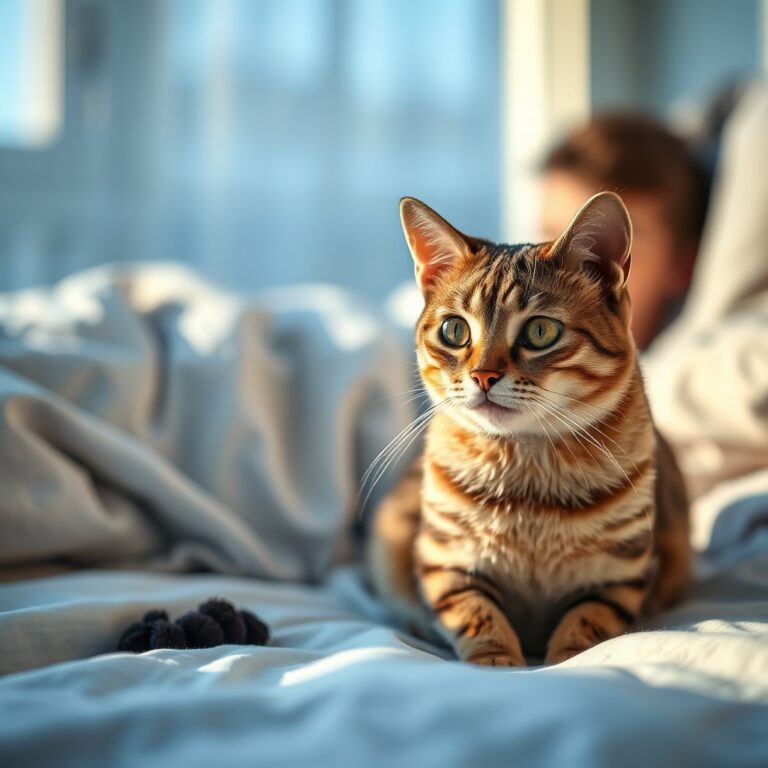

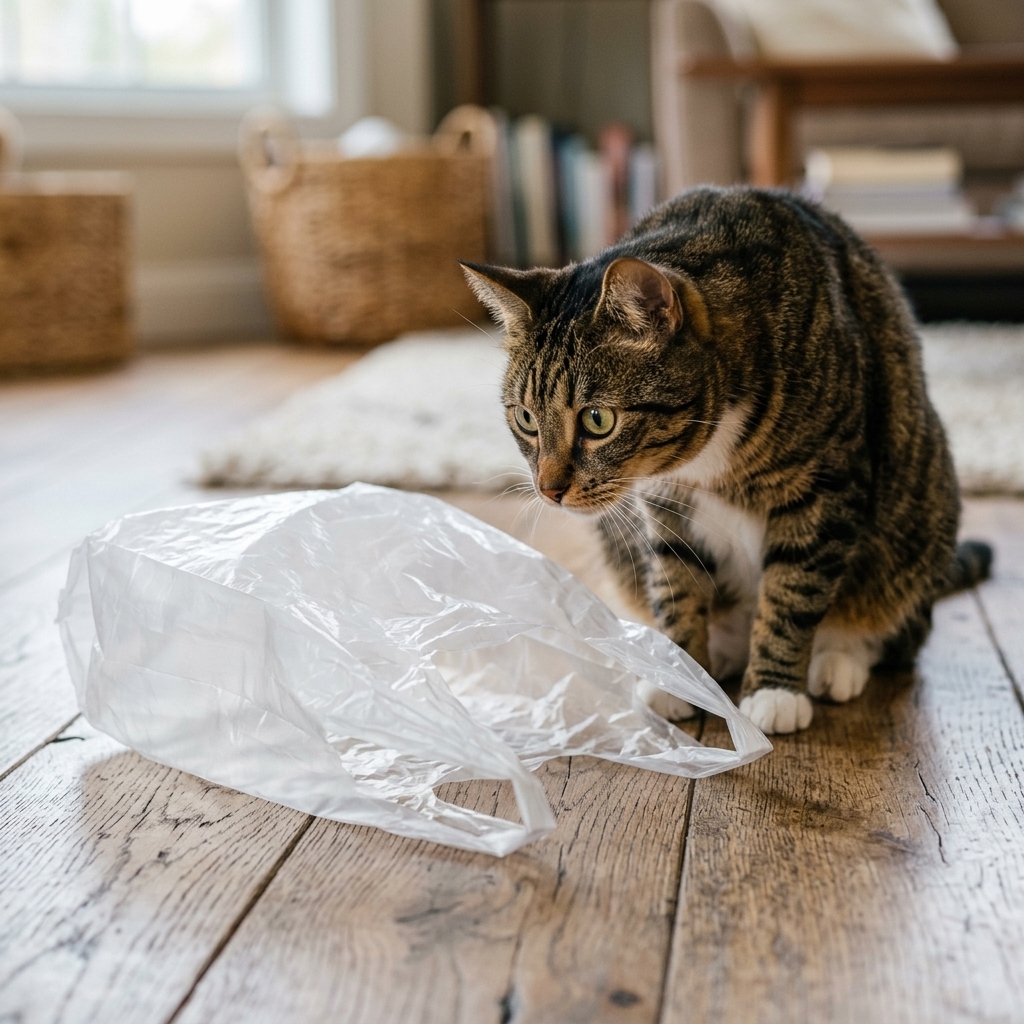
A cat gnawing relentlessly on a plastic grocery bag or swallowing shower curtain fragments is not just displaying a quirky habit. This behavior is a classic presentation of pica—the persistent craving and ingestion of non-food materials. Left unchecked, chewing non-edible items leads directly to life-threatening gastrointestinal obstructions.
Pica in cats is caused by underlying medical conditions—such as anemia, gastrointestinal inflammation, or dietary deficiencies—or compulsive behavioral triggers including chronic stress, early weaning, and environmental boredom. Plastic chewing occurs frequently because plastic products often contain animal-fat slip agents and offer an addicting tactile texture.
Medical vs. Behavioral Causes of Feline Pica
Pica is a symptom, not a standalone disease. Solving it requires determining whether the root issue originates in the body or the mind. Veterinarians split causes into two distinct categories.
Medical Triggers
- Gastrointestinal Disorders: Conditions like Inflammatory Bowel Disease (IBD), intestinal parasites, or food allergies impair nutrient absorption. Cats chew strange items in an instinctual effort to soothe gut discomfort or replace missing nutrients.
- Anemia: Severe blood loss or feline infectious anemia frequently causes cats to crave non-food items, particularly clay litter, cement, or smooth synthetic materials.
- Nutritional Deficiencies: Diets lacking adequate dietary fiber, digestible protein, or specific micronutrients provoke abnormal oral cravings.
- Dental Pain: Periodontal disease or resorptive lesions can cause cats to rub their gums against hard or pliable materials to relieve oral pressure.
Behavioral Triggers
- Obsessive-Compulsive Disorder (OCD): Certain breeds, particularly Oriental lines like Siamese, Birman, and Burmese cats, carry a genetic predisposition to compulsive oral behaviors.
- Boredom and Lack of Stimulation: Indoor cats without adequate physical energy outlets direct their predatory energy toward household objects.
- Chronic Stress and Anxiety: Environmental changes—such as moving house, new pets, or unpredictable schedules—raise cortisol levels. Chewing triggers chemical endorphin releases that temporarily calm the cat.
- Early Weaning: Kittens separated from their mothers before eight weeks often retain intense wool-sucking instincts that evolve into plastic or fabric chewing as adults.
Why Plastic Specifically?
Cats target plastic more than almost any other non-food material. Plastic manufacturing often uses stearates—saturated fatty acids derived from animal fats—as slip agents to prevent sheets of film from sticking together. Cats possess an acute sense of smell and can detect these fatty compounds.
Additionally, plastic smooth textures, cool surfaces, and crinkly sounds deliver strong sensory feedback. The high-pitched noise mimics small prey rustling in grass, reinforcing the predatory loop every time the cat bites down.
Diagnostic Steps: What to Expect at the Vet
Never treat persistent pica strictly as a behavioral problem without a medical evaluation. A veterinarian will follow structured diagnostic steps aligned with American Animal Hospital Association (AAHA) guidelines to rule out organic disease:
| Diagnostic Tool | Targeted Medical Issue |
|---|---|
| Complete Blood Count (CBC) | Anemia, systemic infection, systemic inflammation |
| Serum Chemistry Panel | Kidney disease, liver function, electrolyte imbalances |
| Fecal Flotation & Antigen Test | Intestinal parasites (worms, Giardia) |
| Abdominal Ultrasound / X-Rays | Foreign body partial blockages, GI wall thickening (IBD) |
| Cobalamin (B12) & Folate Test | Intestinal malabsorption issues |
Action Plan: How to Stop Dangerous Plastic Chewing
Correcting plastic chewing requires immediate hazard management combined with long-term behavioral modifications.
1. Secure the Environment
Remove access immediately. Store plastic grocery bags inside closed cabinets, switch to cloth shower curtains, and secure trash cans with tight-fitting lids. Wrap exposed electrical cords or thin tubing in heavy-duty wire loom channels.
2. Provide Safe Oral Substitutes
Cats need an approved outlet for their chewing drive. Replace plastic with target-appropriate alternatives:
- Cat Grass: Fresh wheatgrass or barley grass gives cats a safe, fibrous texture to chew and digest.
- Matatabi / Silvervine Sticks: Natural wooden sticks that encourage safe gnawing while promoting dental hygiene.
- Heavy-Duty Rubber Toys: Unflavored, durable rubber chew toys made for small dogs or tough-chewer cats.
3. Increase Daily Environmental Enrichment
Direct excess predatory drive away from household items through structured daily play. Conduct two 10-minute intense play sessions daily using wand toys, ending each session with a meal to complete the natural hunt-catch-eat cycle. Ditch standard food bowls in favor of puzzle feeders and slow-feed boards to keep the cat mentally tired.
4. Use Taste Deterrents Responsibly
Apply bitter apple spray or citrus-infused sprays to immovable plastic surfaces like appliance cords or furniture covers. Test a small amount first. Deterrents only work if paired with attractive, safe chewing alternatives nearby.
Warning Signs of Gastrointestinal Obstruction
If a cat swallows plastic, track their physical symptoms closely. A ingested piece of plastic can easily block the pylorus or small intestine, creating a fatal emergency.
Seek immediate emergency veterinary care if any of these signs appear:
- Repeated unproductive vomiting or dry heaving
- Complete loss of appetite lasting over 12 hours
- Extreme lethargy, hiding, or unusual aggression
- Abdominal swelling or vocalizing when the stomach is touched
- Inability to pass stool or straining in the litter box
Frequently Asked Questions
Can switching to a higher-fiber diet stop pica?
Increasing dietary fiber can help if the pica stems from gut motility issues or a feeling of hunger. Fiber adds bulk to the diet and promotes fullness. However, consult a veterinarian before changing diets to ensure the food remains balanced and meets all protein requirements.
Is plastic chewing in cats always pica?
No. Casual plastic licking without attempt to ingest or chew off pieces often relates to smelling food residues or enjoying the texture. It becomes clinical pica when the cat actively bites, tears, and ingests non-food material.
How do veterinarians treat severe behavioral pica?
When medical causes are ruled out and environmental enrichment fails, veterinary behaviorists may prescribe selective serotonin reuptake inhibitors (SSRIs) or tricyclic antidepressants. These medications regulate compulsive drives while behavioral training takes effect.