
A cat sitting stiffly with elbows flared outward and subtle abdominal movement is often fighting an invisible struggle inside its chest. Thoracic fluid accumulation, including chylothorax—the buildup of milky lymphatic fluid around the lungs—restricts pulmonary expansion long before overt panting occurs. Catching these muted physical changes early prevents full-blown respiratory crisis.
Feline chylothorax and thoracic fluid accumulation occur when fluid leaks into the pleural space, causing subtle early signs like elevated resting breathing rates (over 30 breaths per minute), flared posture, decreased activity, and quiet voice changes.
Recognizing Early Symptoms vs. Emergency Red Flags
Cats are masters of masking pain and respiratory difficulty. In the earliest stages of fluid accumulation in the chest (pleural effusion), changes appear in subtle daily habits rather than obvious gaspings for air.
Initial signs often manifest during rest. A healthy cat takes 15 to 30 quiet chest movements per minute while sleeping. As fluid compresses the lungs, the respiratory rate creeps above 30 to 40 breaths per minute. You may notice your cat adopting an orthopneic posture: sitting with the neck extended, chest upright, and elbows turned outward to allow maximum chest cavity expansion.
| Stage | Observable Symptoms | Owner Action Required |
|---|---|---|
| Early Stage | Resting breathing rate >30 bpm, mild lethargy, hiding, subtle abdominal effort when breathing, occasional dry cough. | Schedule prompt veterinary evaluation within 24 hours. Keep cat calm. |
| Moderate Stage | Resting rate >40 bpm, elbows flared out, neck extended, loss of appetite, pale pink or dull gums, reluctant to lie down flat. | Seek same-day urgent veterinary care. Avoid stress during travel. |
| Emergency Stage | Open-mouth breathing, blue/purple gums (cyanosis), severe abdominal effort, vocalizing, inability to stand. | Immediate emergency veterinary intervention required. Handle with extreme care. |
Understanding Chylothorax and Pleural Effusion
The feline chest cavity contains the lungs and heart, surrounded by a thin lining called the pleura. Under normal conditions, only a tiny microscopic layer of fluid lubricates this space. When abnormal amounts of fluid collect here, the lungs cannot expand fully during inhalation.
Chylothorax is a specific type of pleural effusion where chyle—a nutrient-rich fluid composed of lymphatic fluid and digested fats—leaks from the thoracic duct directly into the chest cavity. According to clinical feline health standards from the International Society of Feline Medicine (ISFM), common underlying triggers include:
- Idiopathic Chylothorax: Spontaneous leakage without an identifiable primary cause (most common in cats).
- Cardiovascular Disease: Congestive heart failure or hypertrophic cardiomyopathy (HCM) causing elevated venous pressure.
- Mediastinal Masses: Lymphoma or thymoma obstructing normal lymphatic drainage.
- Trauma: Blunt force injuries or fall impacts tearing the thoracic duct.
- Feline Infectious Peritonitis (FIP): Inflammatory fluid leakage due to systemic vasculitis.
How to Check Your Cat’s Breathing at Home
Monitoring your cat’s Sleeping Respiratory Rate (SRR) is the single most practical home diagnostic tool for early detection of fluid build-up.
- Wait for Deep Sleep: Ensure your cat is completely asleep and not dreaming or purring.
- Count the Inhalations: Watch the chest rise and fall. One rise plus one fall equals one single breath.
- Time it precisely: Count the number of breaths in 30 seconds and multiply by 2 to get breaths per minute (bpm).
- Evaluate the Trend: A consistent rate under 30 bpm is normal. Rates consistently exceeding 30 bpm warrant a vet visit. Rates over 40 bpm at rest demand urgent care.
Diagnostic Steps at the Veterinary Clinic
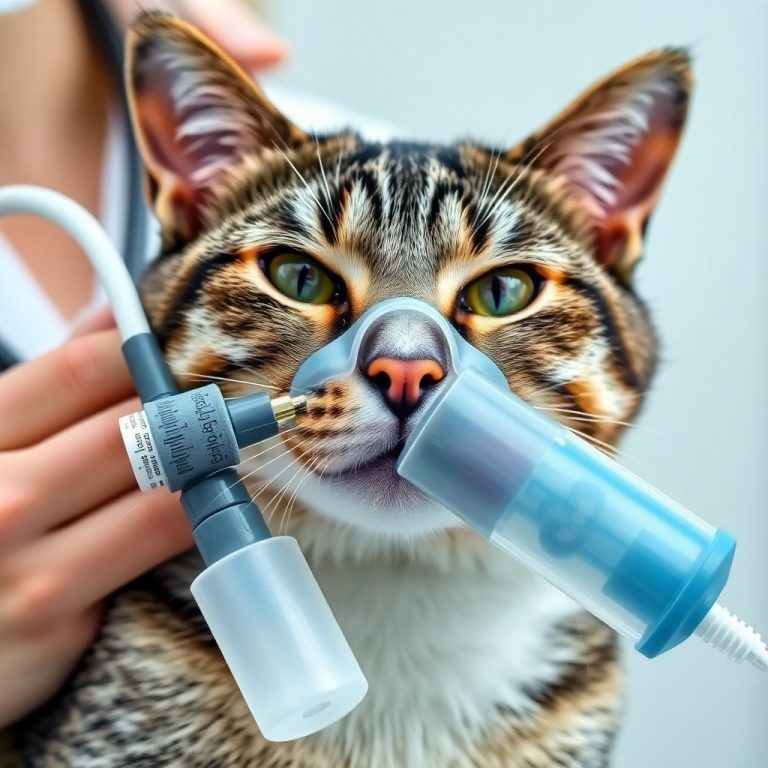
When you bring a cat in for suspected fluid accumulation, safety comes first. Stress can be fatal to a cat in respiratory distress. Vets often place the cat directly into an oxygen cage before performing heavy handling.
1. Thoracocentesis
The primary diagnostic and therapeutic step is inserting a fine needle into the chest cavity to remove fluid. This instantly relieves lung compression and provides fluid samples for analysis.
2. Fluid Analysis & Triglyceride Testing
To confirm chylothorax, the fluid’s triglyceride levels are tested and compared to blood serum levels. Fluid triglyceride levels higher than serum levels confirm the presence of chyle. Cytology also checks for lymphocytes, inflammatory cells, or malignant cancer cells.
3. POCUS / TFAST Ultrasound
Focused ultrasound scans of the chest quickly confirm fluid pockets, evaluate heart chamber size, and check for hidden masses without placing the cat under stressful X-ray positioning.
Treatment Options and Management
Treatment focuses on relieving immediate lung compression while addressing the root cause of fluid leakage.
- Medical Management: Low-fat dietary trials lower the fat content in chyle fluid, reducing duct pressure. Oral Rutin (a natural flavonoid supplement) is frequently prescribed to stimulate tissue macrophages to clear fluid.
- Interventional & Surgical Care: For persistent chylothorax, surgical techniques such as Thoracic Duct Ligation (TDL) paired with Pericardectomy yield strong success rates in blocking fluid flow into the chest.
- Subcutaneous Drainage Ports: Port systems allow owners or clinic staff to drain fluid comfortably without repeated needle punctures.
Frequently Asked Questions
How fast does chylothorax progress in cats?
Progression varies widely. Idiopathic cases may develop over several weeks with subtle shifts in energy, while traumatic leaks or heart failure can cause acute fluid buildup within hours.
Can chest fluid in cats dissolve on its own?
No. Fluid in the pleural space cannot dissolve on its own once it reaches a volume that compromises lung capacity. It requires physical drainage via thoracocentesis or medical intervention.
What does a cat’s breathing look like when fluid is present?
Breathing looks shallow, rapid, and strained. The chest moves minimally while the belly pulls inward sharply with every breath (abdominal breathing effort).
Is feline chylothorax painful?
The fluid accumulation itself is rarely painful, but it produces severe anxiety and oxygen deprivation. Cats feel an uncomfortable sensation of suffocation as lung capacity drops.