
Black dots clustering on your cat’s chin might look like dirt, but scraping them off only makes things worse. Feline chin acne happens when hair follicles under the lower jaw become clogged with excessive keratin and oil. What starts as tiny blackheads can quickly turn into swollen, painful pustules if bacteria get trapped inside.
Feline chin acne is best managed by cleaning the chin daily with veterinary-approved chlorhexidine or benzoyl peroxide wipes, applying warm compresses, and permanently replacing plastic food and water dishes with non-porous ceramic or stainless steel bowls.
Why Plastic Bowls Cause Chin Acne
Plastic is soft. Even gentle washing creates invisible micro-scratches on the surface of plastic dishes. These tiny grooves become breeding grounds for bacteria, food particles, and facial oils. Every time your cat leans down to eat, their chin presses directly against this dirty layer.
Cats cannot groom their own chins effectively. When oil and bacteria rub off plastic bowls onto the skin, the pores plug up fast. Switching to smooth materials breaks this cycle completely.
Selecting the Right Replacement Bowls
Not all non-plastic options are created equal. When shopping for replacements, look for specific physical qualities:
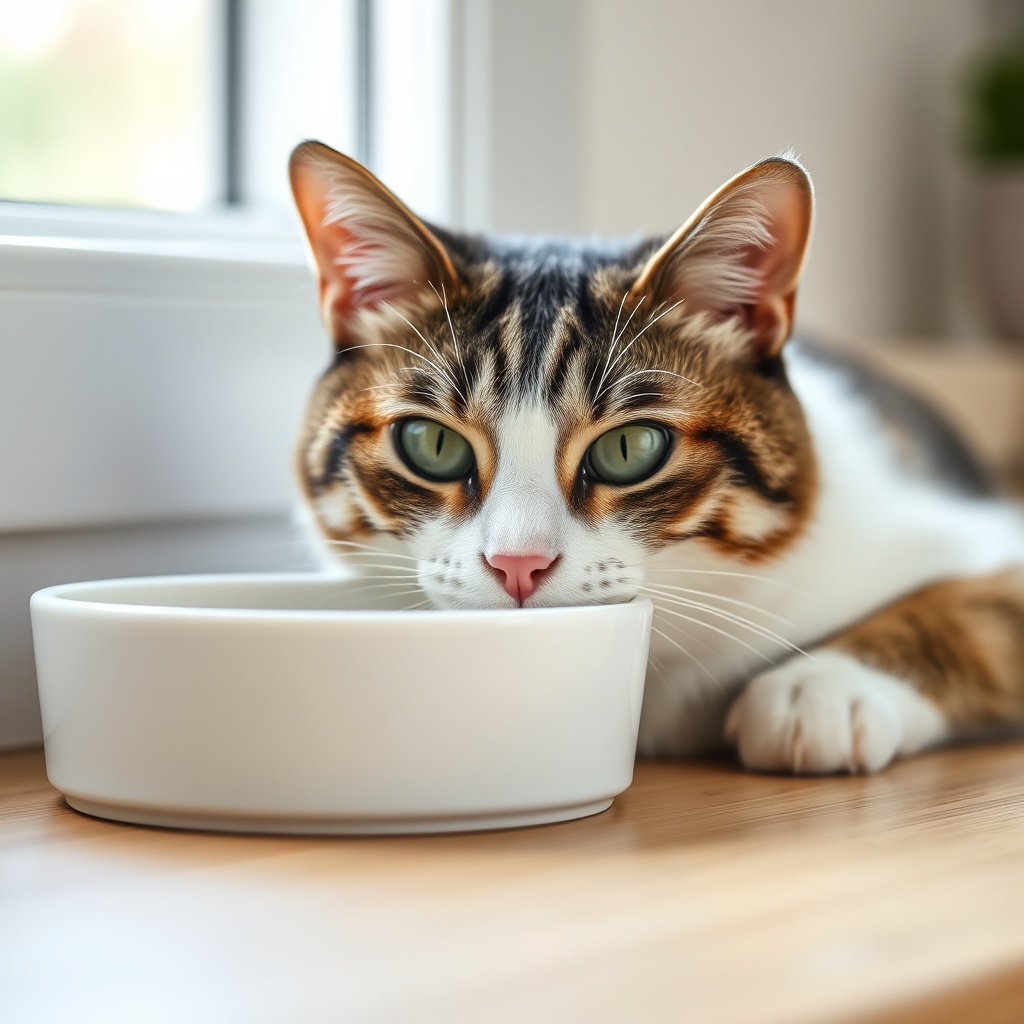
- Glazed Ceramic: Choose lead-free, dishwasher-safe ceramic with a smooth glaze. Unglazed terracotta or chipped ceramic retains bacteria just like plastic.
- Stainless Steel: Opt for high-grade 304 stainless steel. It is non-porous, highly durable, and easy to sanitize.
- Shape Matters: Pick wide, shallow dishes. Deep, narrow bowls force the cat’s chin into the food and trigger whisker fatigue.
Step-by-Step Home Cleaning Protocol
Treat mild acne at home using a calm, consistent daily routine. Never squeeze, pop, or scrub the bumps—this pushes infection deeper into the dermis.
1. Warm Compress Therapy
Soak a clean washcloth in warm water. Hold it gently against your cat’s chin for 2 to 3 minutes. This softens crusty debris and opens up clogged hair follicles without causing pain.
2. Apply Veterinary Antiseptic Wipes
Wipe the area gently using 2% to 4% chlorhexidine wipes formulated specifically for pets. You can also use cat-safe benzoyl peroxide cleansers recommended by your veterinarian. Never use human acne medication—products containing salicylic acid or human-strength benzoyl peroxide are toxic to felines.
3. Dry and Keep Clean
Pat the chin gently with a clean paper towel. Do not leave the skin wet. Repeat this cleaning routine once or twice daily until the blackheads fade.
Chin Acne Severity Guide
| Severity Level | Visual Signs | Primary Cause | Recommended Action |
|---|---|---|---|
| Mild | Tiny black specks (comedones), dirty chin appearance, no swelling. | Surface oil buildup, plastic bowl bacteria. | Switch to ceramic bowls; apply daily warm compress and chlorhexidine wipes. |
| Moderate | Redness, small papules, light hair loss, mild discomfort. | Secondary superficial bacterial infection. | Clean daily with veterinary wipes; consult vet if no progress in 7 days. |
| Severe | Bleeding, open sores, swollen chin, pus, severe pain. | Deep bacterial folliculitis, furunculosis. | Immediate vet visit for oral antibiotics, pain relief, or skin cytology. |
When to See a Veterinarian
Schedule a clinic visit immediately if you notice severe facial swelling, draining sores, or if your cat flinches and cries when touched. Conditions like ringworm (dermatophytosis), Demodex mites, and eosinophilic granuloma complex can mimic feline chin acne. A veterinarian will perform skin scrapings or cytology to confirm the diagnosis and prescribe targeted oral antibiotics or topical anti-inflammatory therapy if needed.
Frequently Asked Questions
Can I pop my cat’s chin acne bumps?
No. Popping chin acne ruptures the hair follicle underneath the skin. This spreads bacteria into deeper skin layers, leading to painful abscesses, severe scarring, and secondary infections.
How long does it take for feline chin acne to clear up after switching bowls?
Mild acne typically begins improving within 7 to 14 days after swapping plastic bowls for clean ceramic or steel. Full healing usually takes 3 to 4 weeks when combined with proper daily antiseptic cleaning.
Are all ceramic bowls safe for cats?
Only use food-grade, lead-free glazed ceramic bowls. Inspect them regularly for cracks or chips in the finish, as broken glaze exposes porous ceramic underneath where bacteria can grow.