
During weekly dental checkups in our veterinary clinic, we routinely encounter dogs suffering from advanced gingival inflammation and stage 2 periodontal disease. Many owners believe that a quick brush with any pet-safe paste is enough, yet choosing the wrong active ingredient can lead to silent treatment failure. Understanding the biological difference between enzymatic formulations and chlorhexidine gels is the defining factor in halting bone loss and saving your dog’s teeth.
Pathophysiology of Canine Periodontal Disease
Periodontal disease starts when plaque—a soft, sticky biofilm of saliva, food debris, and aerobic bacteria—accumulates on the tooth surface. Within 36 to 48 hours, this biofilm begins to mineralize into calculus (tartar). As the disease progresses, anaerobic bacteria, particularly species like Porphyromonas gulae, migrate subgingivally into the gingival sulcus.
These pathogens release endotoxins and destructive enzymes that trigger an inflammatory host response. This clinical pathway leads to the destruction of the periodontal ligament and alveolar bone loss. If left unchecked, the tooth loses its structural attachment, resulting in mobility, severe pain, and systemic bacteremia that can damage the kidneys, liver, and heart valves.
Mechanism of Action: Enzymatic vs Chlorhexidine
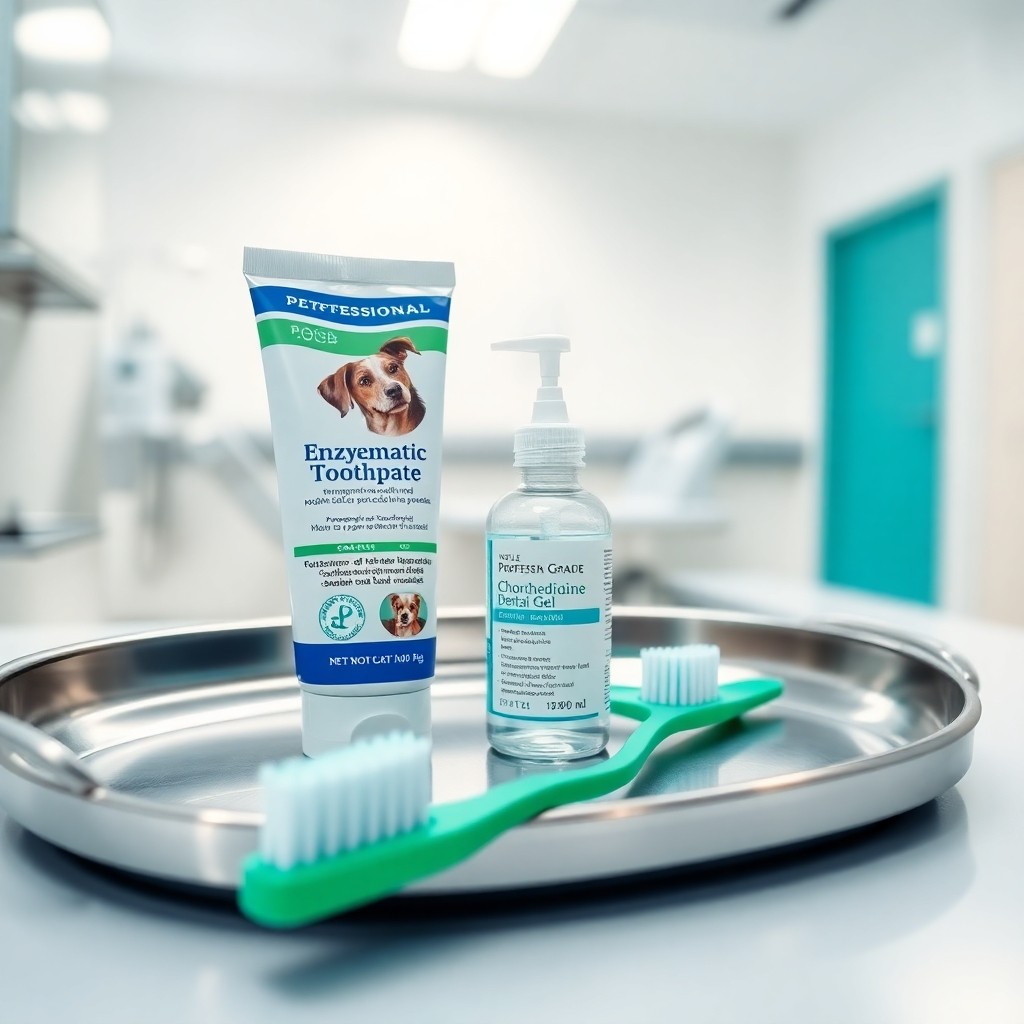
To combat this destructive process, veterinarians rely on two primary chemical plaque control agents: enzymatic toothpastes and chlorhexidine dental gels. Each operates via fundamentally different physiological mechanisms.
How Enzymatic Toothpastes Work
Enzymatic dog toothpastes utilize bio-active enzyme systems, most commonly glucose oxidase and lactoperoxidase. When these enzymes mix with salivary glucose and water in the dog’s mouth, a chemical reaction occurs that produces hydrogen peroxide and hypothiocyanite ions. These compounds possess natural, broad-spectrum antibacterial properties that directly inhibit plaque-forming bacteria.
Crucially, enzymatic toothpastes do not require vigorous scrubbing to be moderately effective, as the salivary activation allows the paste to work even when simply applied to the oral mucosa. However, they perform best when paired with the mechanical action of brushing, which physically disrupts the plaque matrix.
How Chlorhexidine Dental Gels Work
Chlorhexidine digluconate is a highly potent, cationic antiseptic. Because of its positive charge, the chlorhexidine molecule binds strongly to the negatively charged cell walls of oral bacteria, causing cell lysis. Furthermore, it binds to the salivary glycoproteins and oral mucosa, a property known as ‘substantivity’.
This substantivity allows chlorhexidine to be slowly released into the oral cavity over a period of up to 24 hours, providing continuous antimicrobial action. It is highly effective against both Gram-positive and Gram-negative bacteria, as well as fungi, making it the gold standard for acute veterinary disinfection.
Clinical Comparison and Application Protocols
Choosing between these two options depends on the current stage of your dog’s periodontal health. For routine preventive care and daily maintenance, enzymatic formulas are ideal. For post-surgical care, extraction recovery, or acute gingival flare-ups, chlorhexidine is the superior clinical choice.
When sourcing these critical oral care products, veterinarians recommend selecting clinically verified formulations. You can find a targeted selection of professional dental solutions at BiZOOn.com.ua, which provides specialized pet health products tailored for active periodontal management.
| Clinical Parameter | Enzymatic Toothpaste | Chlorhexidine Gel (0.12% – 0.2%) |
|---|---|---|
| Primary Indication | Daily plaque prevention & maintenance | Post-op extraction, acute gingivitis flare-ups |
| Antimicrobial Strength | Moderate (inhibitory) | High (bactericidal and bacteriostatic) |
| Maximum Safe Duration | Indefinite (safe for life-long daily use) | 10 to 14 consecutive days max |
| Taste & Palatability | Highly palatable (poultry, beef, malt) | Bitter (often requires flavoring maskers) |
| Enamel Staining Risk | None | High (reversible brown staining with long-term use) |
The Risks of Improper Usage and Side Effects
Understanding the clinical boundaries of these treatments is vital to avoid therapeutic complications.
Chlorhexidine Limitations
While chlorhexidine is highly effective, it must not be used as a permanent, daily toothpaste. Prolonged use exceeding 14 days can lead to a noticeable brown staining of the dental enamel and tongue. Additionally, its potent broad-spectrum activity can disrupt the normal oral microbiome, leading to opportunistic fungal overgrowth. It can also temporarily alter the dog’s taste perception, causing food aversion in sensitive patients.
Enzymatic Toothpaste Limitations
The primary limitation of enzymatic toothpaste is its inability to penetrate deep periodontal pockets. If a dog already has stage 3 or 4 periodontal disease with deep bone loss, surface brushing with enzymatic paste will not resolve the infection subgingivally. These cases demand a professional veterinary dental scaling, polishing, and potential extractions under general anesthesia before home care can be effective.
Actionable Home Care Strategy for Dog Owners
To implement an effective oral hygiene regimen, adopt a tiered approach based on your dog’s current dental health status:
- For healthy gums (Stage 0-1): Brush daily using a soft-bristled canine toothbrush and an enzymatic paste. Allow the dog to lick a small amount first to build positive association, then focus on the buccal (outer) surfaces of the upper premolars and molars.
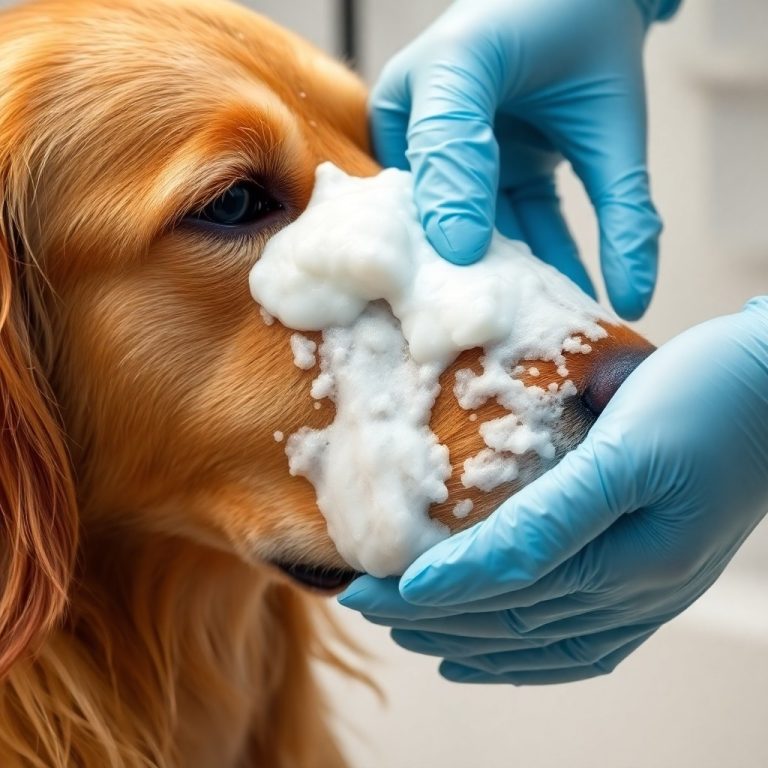
- For acute gingivitis (Stage 2): Apply a thin film of 0.12% chlorhexidine dental gel directly to the affected gumline using a cotton swab or finger brush twice daily for 10 days. Do not use a standard human toothbrush during this phase to avoid irritating inflamed tissues.
- Post-Professional Cleanings: Wait 48 hours after a veterinary dental scaling before introducing mechanical brushing. Use chlorhexidine gel for the first 7 days post-surgery to promote mucosal healing, then transition to daily enzymatic brushing for long-term maintenance.