
1. Grooming as a Vitals Check: Health and Early Diagnosis
Grooming is far more than a cosmetic routine; it is a critical element of prophylactic veterinary care that impacts skin health, overall well-being, and the early detection of underlying conditions. The coat’s quality and texture are visible indicators of the dog’s internal health.
2. The Critical Role of Regular Professional Grooming
While most pets visit a veterinarian once or twice a year, the recommended frequency for professional grooming is a minimum of six times annually, and often every four to six weeks for many breeds. This frequency positions the groomer as a key partner in health surveillance.
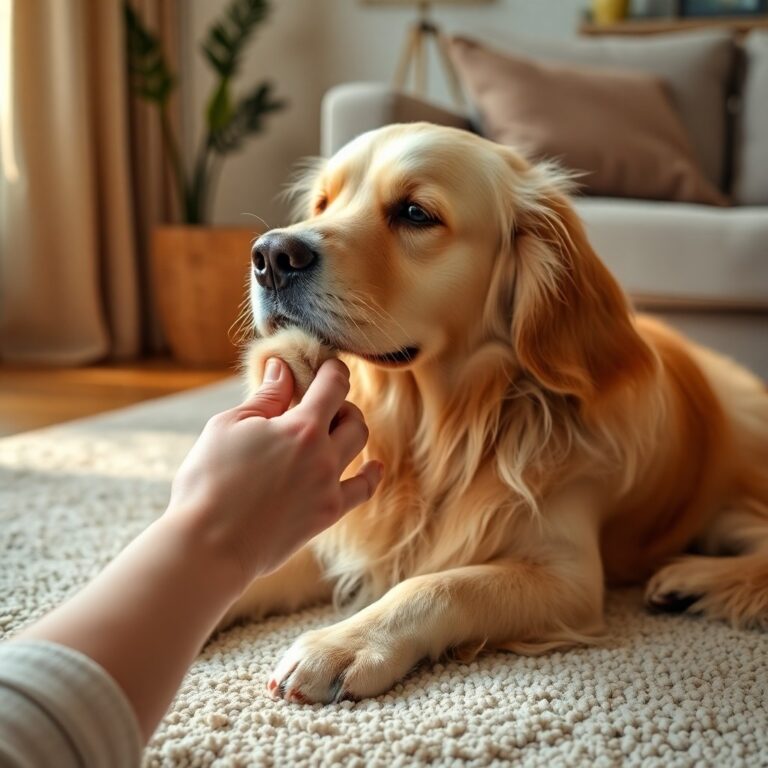
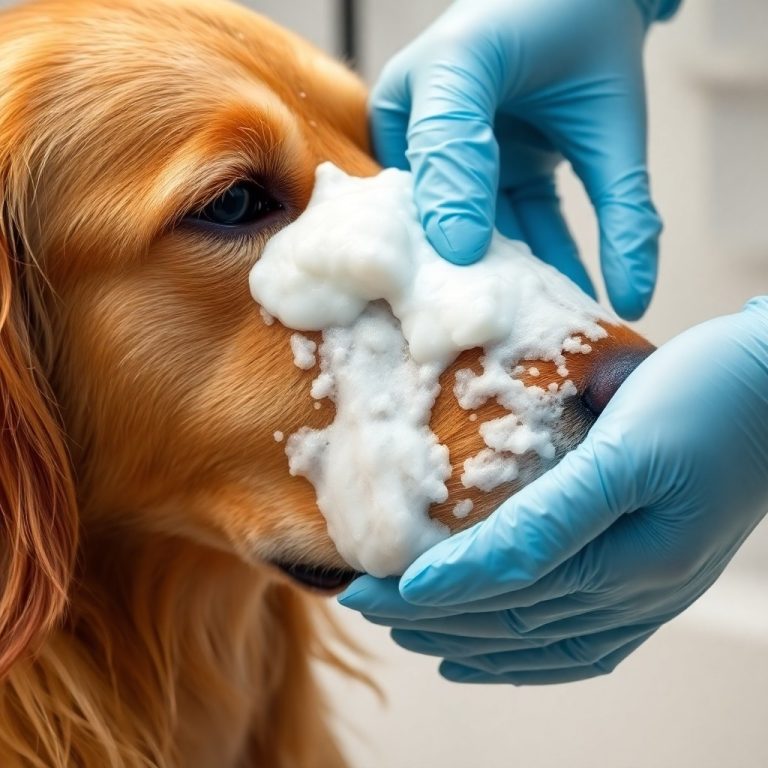
A professional groomer conducts a thorough inspection of the pet’s health during each session. They are trained to spot subtle changes that owners might miss, such as ticks, fleas, dry patches, or the development of new “lumps and bumps” (abnormal growths). Early detection of these potential health issues allows for prompt veterinary consultation and treatment at an early stage.
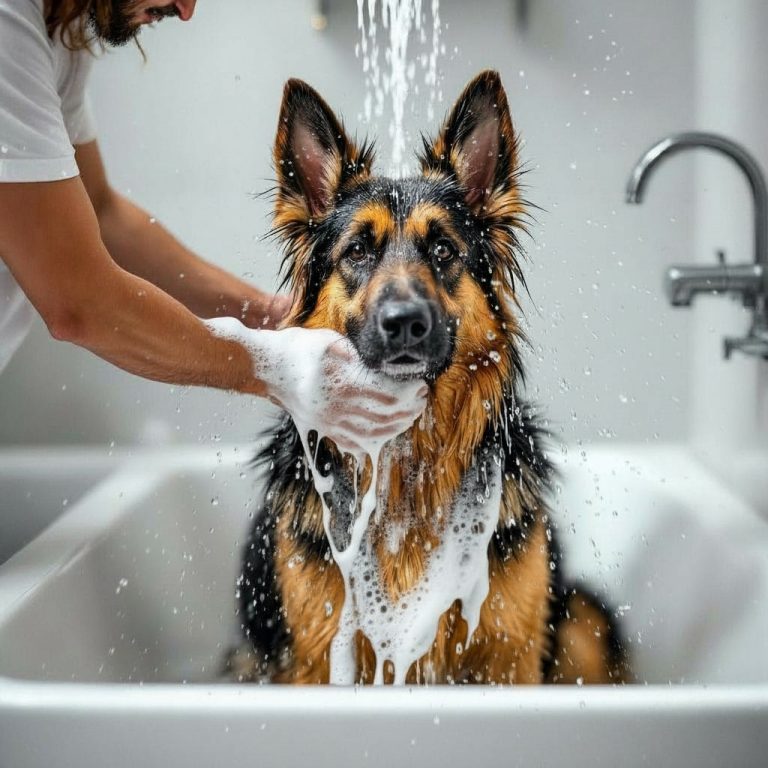
Owners must maintain daily hygiene, as well. Regular brushing removes dirt, dead hair, and debris that can cause irritation, and it helps spread the natural skin oils (sebum) evenly across the coat, preventing dryness and adding shine. The American Society for the Prevention of Cruelty to Animals (ASPCA) recommends bathing a dog at least once every three months, though frequency may increase for dogs with skin conditions, as advised by a veterinarian.
3. Coat Types, Grooming Needs, and Tool Selection
An effective grooming strategy depends entirely on the dog’s specific coat type. Using the wrong tool or technique can damage the coat, change its texture, and compromise skin health.
3.1. Short (Smooth) Coats
Breeds like Beagles and Boxers require simple, but consistent, care. Regular brushing is essential to remove loose hair and distribute natural oils for a shiny, healthy coat.
- Recommended Tools: Bristle brushes are ideal for removing surface debris and stimulating the skin. Rubber brushes (Curry Combs) are also effective for short coats.
3.2. Double Coats (Shedding Breeds)
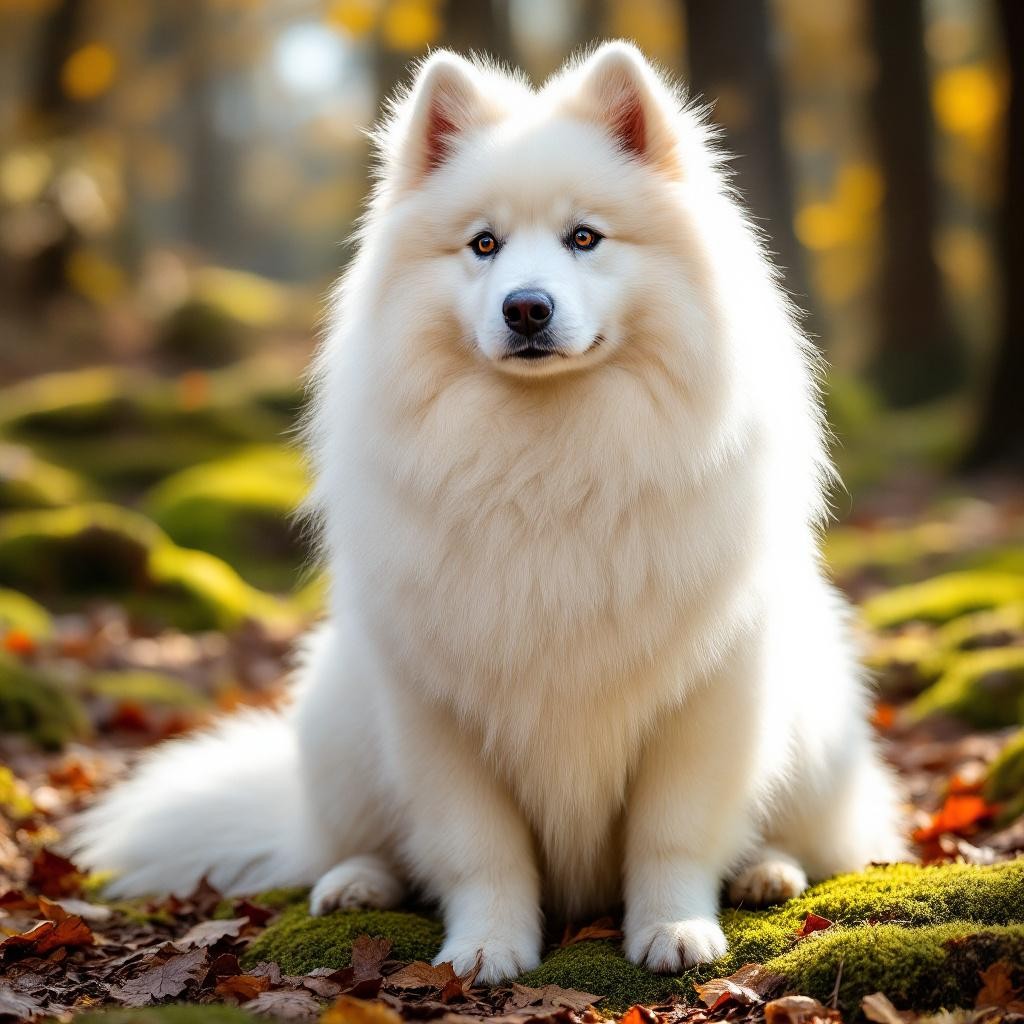
Double-coated breeds, such as Huskies, Golden Retrievers, and Corgis, have a soft undercoat and a longer, harsh topcoat (guard hair). The main challenge is removing the dead undercoat, especially during seasonal shedding. Failure to remove the dead undercoat can create a thermal barrier, leading to overheating and skin infections.
- Recommended Tools: Undercoat Rakes are vital for penetrating the dense topcoat to remove the loose, dead undercoat. Slicker brushes are also essential for medium-to-long double coats to prevent matting.
3.3. Long and Silky Coats
Breeds like Yorkshire Terriers and Maltese require frequent, often daily, maintenance because their hair mats easily.
- Recommended Tools: Pin Brushes are ideal for detangling long, silky strands without discomfort. Slicker brushes are used for removing tangles and loose fur.
3.4. Curly (Non-Shedding) Coats
Poodles and Bichon Frise typically do not shed, making them good choices for allergy sufferers. Because dead hair remains trapped in the coat, regular clipping and daily brushing are mandatory to prevent severe matting and the formation of dense, felt-like knots.
- Tool Warning: DeShedding tools (like FURminators) are strongly contraindicated for these non-shedding breeds.
4. The Grooming Arsenal: Choosing the Right Brush
Selecting the correct grooming tool is fundamental to effective and safe care.
4.1. The Universal Slicker Brush
Slicker brushes are highly versatile and feature a head covered with rows of thin, angled wire pins. They effectively remove loose hair and help detangle early mats. They are suitable for most coat types, from medium to long, curly, and wire-haired.
- Safety Note: Always use a light touch with slicker brushes. Pressing too hard can cause discomfort or irritate the dog’s skin due to the sharp ends of the wire pins.
4.2. Controversy and Risk: The Deshedding Tool Debate
DeShedding tools (e.g., T-shaped blades designed to reduce shedding by up to 90%) are highly controversial among professional groomers.
- Risk of Damage: The primary concern is that the tool’s design encourages users to apply excessive force at a perpendicular angle (90 degrees to the skin). This can cause the tool to scrape and shred the protective topcoat (guard hair), leading to a duller color, softer texture, and compromised weather-resistant properties.
- Misuse: DeShedders are intended only for double-coated, shedding breeds and must never be used on non-shedding or single-coated breeds (Poodles, Maltese, Bichons) or pets with sensitive skin.
4.3. Ergonomics and Consistency
When choosing brushes, consider the ergonomics of the handle. Grooming long-coated or heavy-shedding breeds is a frequent, labour-intensive task. A comfortable, well-fitting handle encourages the owner to adhere to the necessary daily or weekly brushing schedule, which is the best way to prevent severe matting.
5. Specialized Care: Hand Stripping vs. Clipping for Wire-Haired Breeds
Wire-haired breeds (Schnauzers, many Terriers, Brussels Griffons) have a unique coat that requires a specific procedure to maintain its texture and protective function.
5.1. Hand Stripping (Ttrimming): The Functional Requirement
Hand stripping is the manual process of pulling out the dead, coarse outer hairs (guard hairs) from the follicle, either by hand (Plucking) or with special tools (Stripping Knives/Stones).
- Purpose: Stripping allows new, coarse, brightly coloured hair to grow in, preserving the coat’s natural harsh texture, deep color, and weatherproof function.
- Pain Factor: When done correctly by an experienced groomer, hand stripping is painless because the dead hair is already loose and ready to release from the follicle. Incorrect technique, however, can be painful and damage the coat.
5.2. Consequences of Clipping
Clipping (shaving the coat with clippers) is faster and cheaper, but it only cuts the hair at the surface, leaving the soft root intact.
- Change in Texture: The soft undercoat or the soft part of the guard hair continues to grow, causing the coat to become soft, dull, fluffy, and lose its protective, wire-like harshness.
- Loss of Function: The coat loses its weatherproof qualities, which is a major issue for breeds historically bred to work outdoors. Clipping can often lead to a permanent, or semi-permanent, change in the coat structure.
6. Conclusion: A Commitment to Coat Health
Proper coat care requires dedication and the use of the right tools for the job. Regular brushing and professional grooming appointments serve a double purpose: maintaining aesthetic appeal and facilitating the crucial early detection of potential health issues. Understanding your dog’s specific coat type and avoiding common grooming mistakes (like clipping wire-haired coats or misusing deshedding tools) is fundamental to ensuring your dog’s comfort, well-being, and longevity.