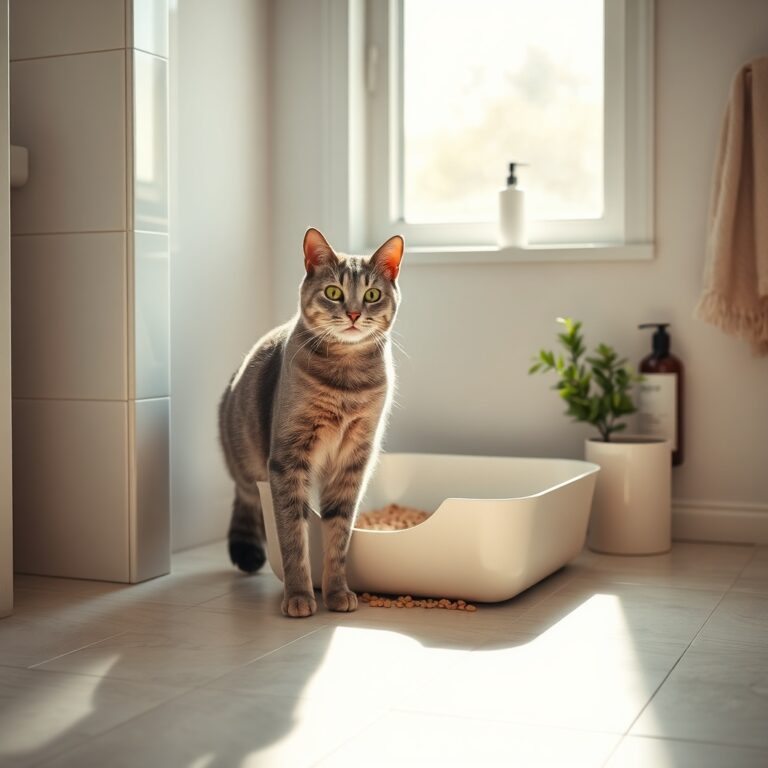

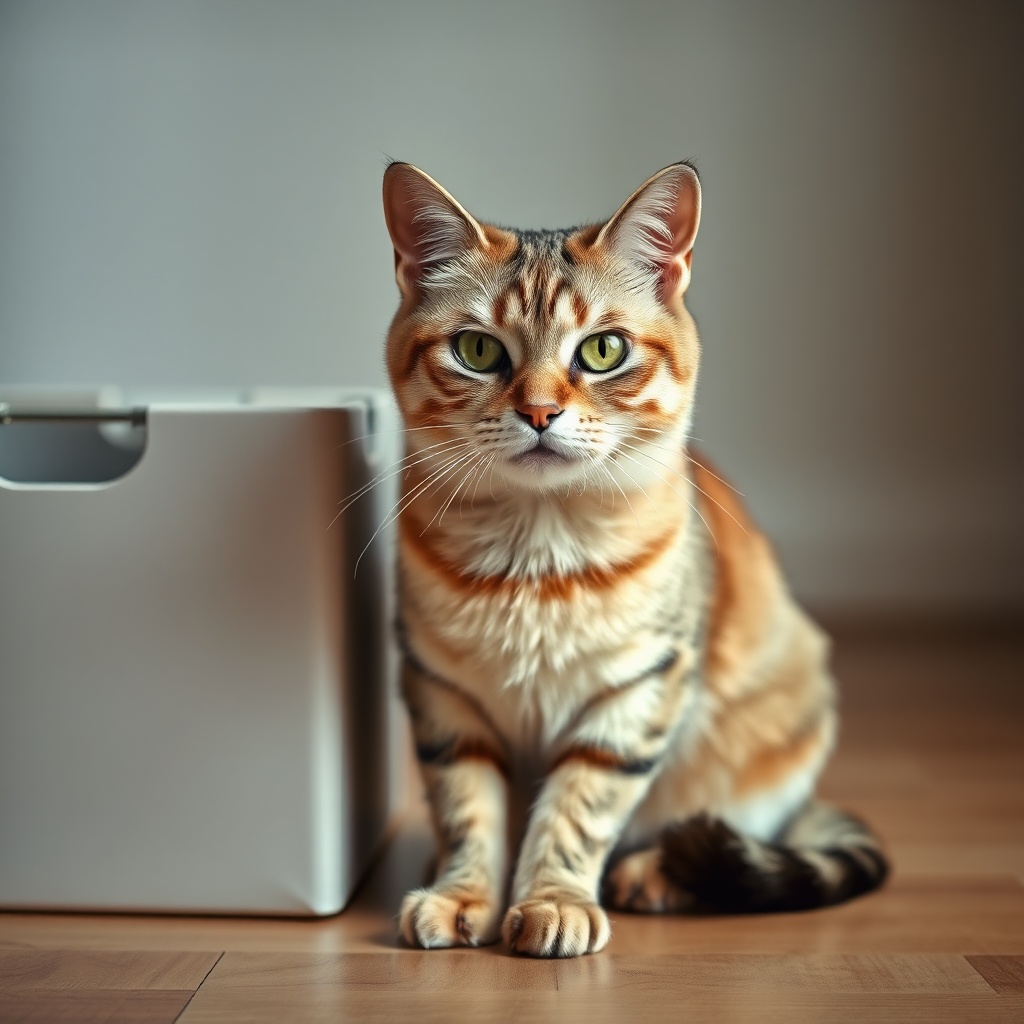
A senior cat suddenly urinating on the bathmat is not acting out of spite. For a feline living with osteoarthritis, climbing over a three-inch plastic lip to reach their litter box can feel like scaling a mountain. When joint pain strikes, the association with the litter box turns negative, leading to sudden house soiling.
To solve litter box aversion in arthritic senior cats, you must eliminate physical pain points by switching to low-entry boxes (under 3 inches high), placing facilities on a single floor to avoid stairs, using soft, fine-grained litter, and securing veterinary pain management.
Why Arthritis Causes Litter Box Avoidance
Cats are masters of hiding physical discomfort. In the wild, showing weakness makes a feline vulnerable to predators. In your home, arthritis manifests quietly. You might notice your cat hesitating before jumping onto the couch, sleeping more, or grooming less.
The physical act of elimination is highly demanding on an arthritic body. Squatting requires deep knee and hip flexion. Stepping over a high plastic barrier strains stiff hocks and elbows. If a cat experiences a sharp jolt of joint pain while inside the box, their brain instantly links the box itself to that pain. The result is aversion.
The Low-Entry Solution & Box Modifications
Standard commercial litter boxes are poorly designed for geriatric joints. Most have entryways between 5 and 7 inches high. To remove this physical barrier, try these practical modifications:
- Cut down the entry side: Use heavy-duty plastic cutters to lower one side of an existing plastic storage bin to 2 or 3 inches. Smooth the edges thoroughly with sandpaper or heavy-duty tape to protect delicate paws.
- Utilize shallow household items: Flat, shallow plastic potting trays, heavy-duty baking sheets, or under-bed storage bins make excellent low-barrier alternatives.
- Increase the surface area: Large senior cats need space to turn around without twisting their stiff spines. Upgrade to a box that is at least 1.5 times the length of your cat from nose to tail.
Substrate and Location Adjustments
Litter texture and box placement can make or break your senior cat’s bathroom habits.
Substrate Selection
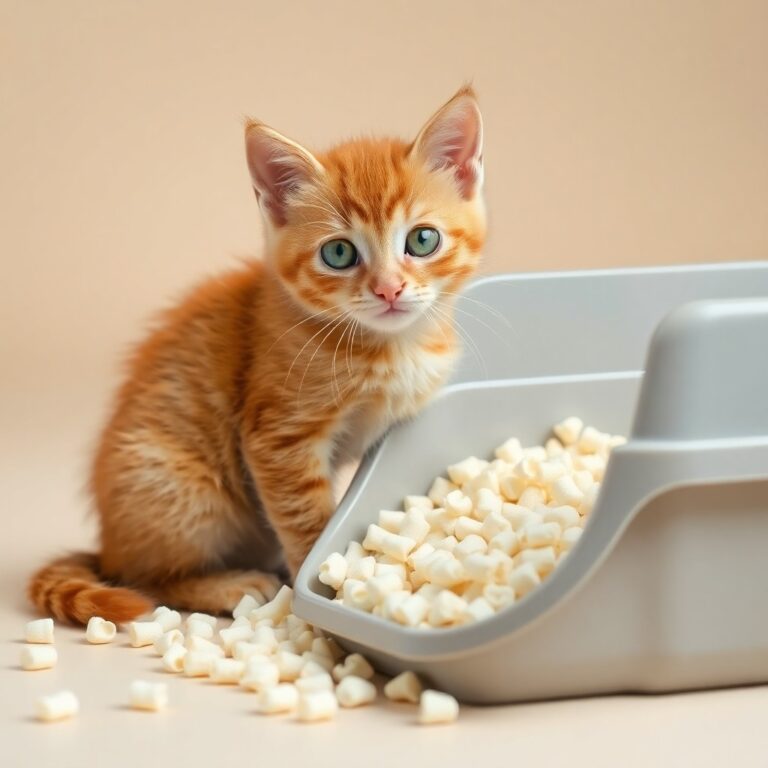
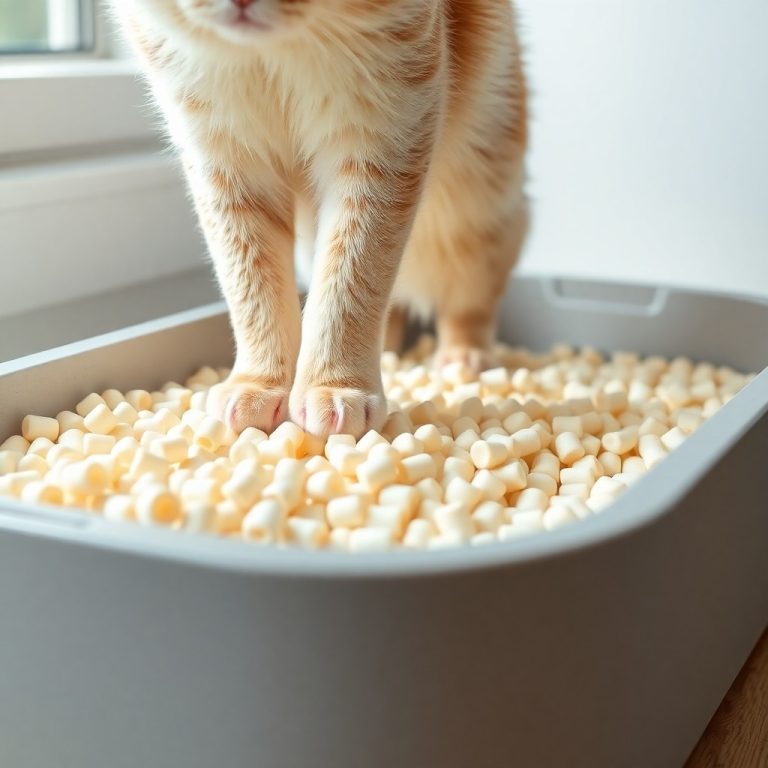
Clay pellets, recycled paper beads, or rough crystals can hurt sensitive, arthritic paws. Switch to a fine-grained, sandy clumping clay or a soft, grass-based litter. Keep the litter depth around 1 to 2 inches. Deep litter behaves like quicksand, forcing unstable joints to work twice as hard to maintain balance.
Strategic Placement
Do not make your senior cat climb stairs to relieve themselves. If your home has multiple levels, place at least one box on every floor your cat frequents. Avoid placing boxes near noisy appliances like washing machines or furnaces. A sudden vibration can startle a stiff cat, causing them to bolt and injure themselves.
Veterinary Pain Management Protocols
Environmental changes alone rarely resolve severe aversion. Medical intervention is required to break the pain-association cycle.
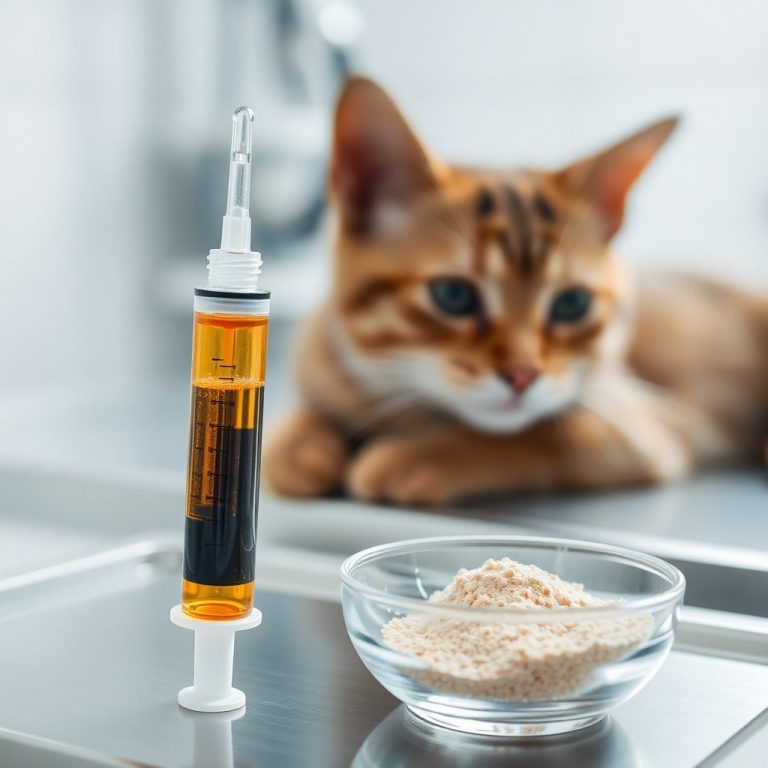
According to the American Animal Hospital Association (AAHA) and the International Society of Feline Medicine (ISFM) pain management guidelines, osteoarthritis requires a multimodal approach.
| Treatment Type | How It Helps Joint Pain | Veterinary Notes |
|---|---|---|
| Monoclonal Antibodies (e.g., Frunevetmab) | Targets Nerve Growth Factor (NGF) to block pain signals directly. | Monthly injectable, highly effective with minimal systemic side effects. |
| NSAIDs (e.g., Meloxicam, Robenacoxib) | Reduces active joint inflammation. | Requires regular blood monitoring to check kidney and liver health. |
| Joint Supplements (Glucosamine, Chondroitin, Omega-3) | Supports cartilage health and reduces mild inflammatory pathways. | Best used as preventive care or in conjunction with medical pain relief. |
How to Clean Soiled Areas Correctly
Once a cat urinates outside the box, the lingering scent acts as a biological signpost. Standard household cleaners will not work. Ammonia-based cleaners actually mimic the smell of urine, encouraging repeat offenses.
Use a high-quality enzymatic cleaner instead. These bio-enzymatic formulas physically break down the urea and proteins in cat urine, completely removing the scent markers. Saturate the area, let it sit for 15 minutes, and blot dry. Keep the cat away from the spot until it is fully dry.
Red Flags: When to See the Vet Immediately
Not all litter box avoidance is simple arthritis or behavioral aversion. Straining to urinate is a life-threatening medical emergency, particularly in male cats.
Consult your veterinarian immediately if you observe:
- Frequent trips to the box with little or no urine produced
- Crying, vocalizing, or straining while in the squatting position
- Blood visible in the urine
- Licking the genital area excessively
- Sudden lethargy, vomiting, or loss of appetite
Frequently Asked Questions
Can I use ramps to help my arthritic cat access a high litter box?
While ramps work well for dogs, cats often find them unstable or confusing. Ramps can also slip under a cat’s weight, causing a fall that worsens joint pain. Lowering the box entryway is a much safer, more reliable option.
Is my senior cat avoiding the box because of dementia?
Cognitive dysfunction syndrome (CDS) can cause memory loss and confusion, leading to house soiling. However, pain is the primary driver of sudden behavioral changes in senior cats. Always rule out physical osteoarthritis pain with your vet before diagnosing cognitive decline.
How can I make the floor around the litter box safer for my stiff cat?
Arthritic cats slip easily on hardwood, laminate, or tile floors. Place non-slip yoga mats or rubber utility mats around the entrance of the litter box to give your senior cat secure traction as they step in and out.