
A cat straining in the litter box is a quiet emergency. Healthy felines typically defecate at least once every twenty-four hours. When stools become hard, dry, and difficult to pass, intervention is necessary to prevent permanent colonic damage.
To safely relieve mild feline constipation at home, immediately transition the cat to a high-moisture wet diet, add 1/2 teaspoon of plain canned pumpkin for dietary fiber, and ensure constant access to fresh water. If the cat is vomiting, lethargic, or straining without producing stool, seek immediate veterinary care to rule out life-threatening blockages.
Safe Immediate Home Remedies for Constipation
Hydration is the primary physiological driver of hard stools. The feline colon resorbs water from digestive waste. If a cat is mildly dehydrated, the body pulls moisture from the colon, turning waste into stone-like pebbles that are incredibly painful to pass.
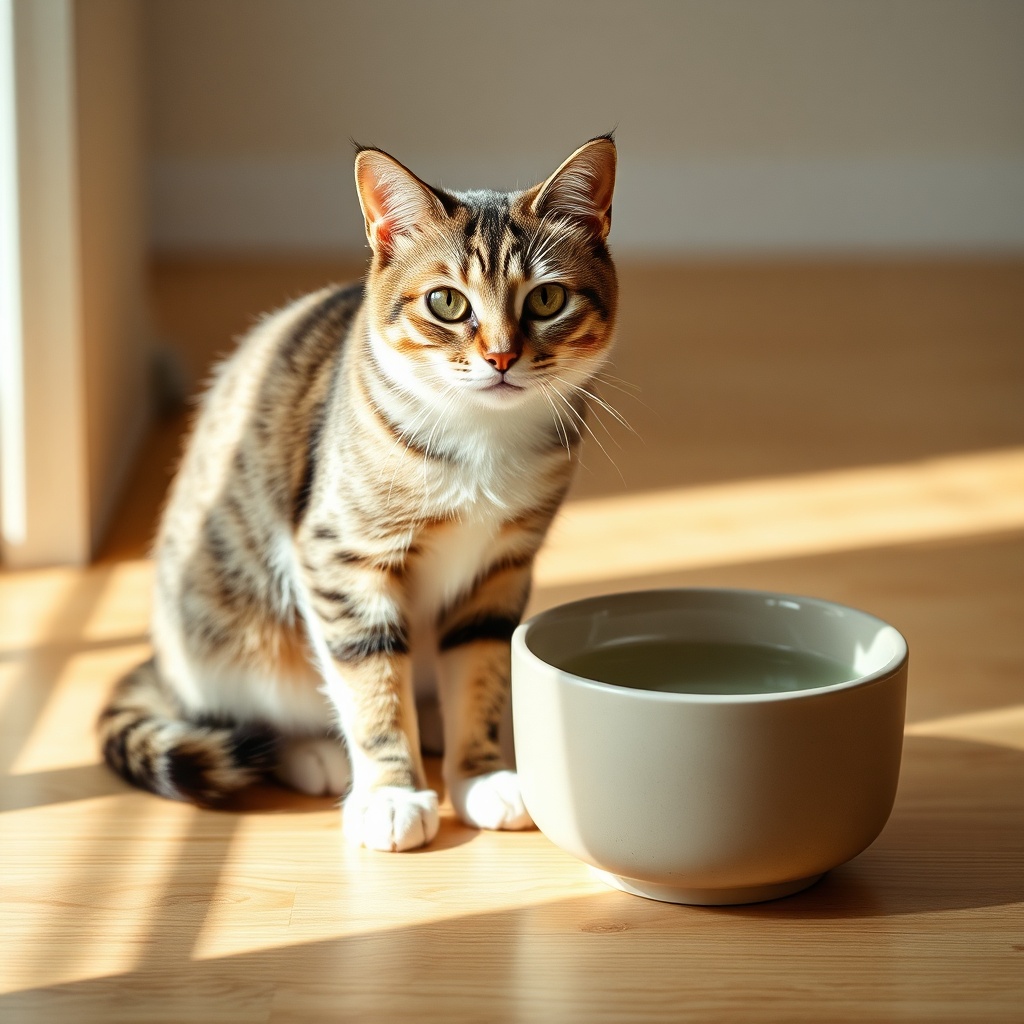
- Aggressive Hydration: Increase moisture instantly. Switch from dry kibble to wet canned food. Add a tablespoon of warm water directly to the wet food to create a slurry. Set up running water fountains, as many cats prefer drinking moving water over standing water.
- Pumpkin Fiber Therapy: Pure pumpkin puree (100% plain pumpkin, not pumpkin pie filling) is an excellent soluble fiber source. It draws water into the fecal mass. Mix 1/2 teaspoon into wet food twice daily.
- Psyllium Husk Powder: Unflavored, unsweetened psyllium husk can be used to add bulk and moisture. Mix a tiny pinch (about 1/4 teaspoon) into wet food. It must be accompanied by extra water, or it can worsen the blockage.
- Osmotic Laxatives (With Vet Approval): Polyethylene Glycol 3350 (often known as Miralax) works by pulling water directly into the bowel. The standard veterinary starting dose for a mild case is 1/8 to 1/4 teaspoon mixed into wet food daily, but this must be cleared by a vet first to avoid electrolyte imbalances.
Dietary Changes for Long-Term Management
Preventing recurrence requires systemic changes to the feline gut environment and diet structure. Cats are obligate carnivores designed to get most of their hydration directly from their prey.
Eliminating dry kibble is the most effective preventative measure. Dry foods typically contain only 10% moisture, whereas canned wet diets sit at 70% to 80% moisture. This difference alone can completely resolve chronic, mild constipation.
Incorporate feline-specific probiotics (such as those containing Enterococcus faecium) to support gut motility and normalize transit times. Highly digestible, high-protein diets also produce less bulk waste, reducing the load on a sluggish colon.
Clinical Guidance and Escalation Protocol
The American Animal Hospital Association (AAHA) warns that untreated chronic constipation can lead to obstipation. This is a severe blockage that can cause megacolon, which is an irreversible stretching and paralysis of the colonic muscles. Use the clinical guide below to determine if your cat requires immediate medical intervention.
| Symptom Severity | Clinical Signs | Action Plan |
|---|---|---|
| Mild | No stool for 24-48 hours; dry, small stools; normal energy and appetite. | Increase dietary moisture, administer 1/2 teaspoon of pumpkin, monitor litter box closely. |
| Moderate | No stool for over 48 hours; prolonged straining in the box; dry, hard pebbles. | Consult a veterinarian; consider prescribed osmotic laxatives or micro-enemas under clinical guidance. |
| Severe (Obstipation) | Over 72 hours without stool; vomiting; lethargy; crying out while straining; liquid stool bypass. | Immediate emergency veterinary visit; requires manual de-obstipation under sedation or IV fluid therapy. |
Frequently Asked Questions
Can I give my cat olive oil for constipation?
While a few drops of olive oil can temporarily lubricate the digestive tract, it is not a recommended long-term remedy. The feline liver processes fats rapidly, and excess oils can cause greasy stools, nutrient malabsorption, or acute pancreatitis. Use dietary fiber or veterinary-approved laxatives instead.
How long can a cat safely go without pooping?
A cat should not go more than 48 hours without defecating. By the 72-hour mark, the retained stool becomes dry and impacted, making natural passage extremely difficult and painful. Prompt veterinary assessment is required beyond this window.
Is cow’s milk safe to relieve a cat’s constipation?
No. Most adult cats are lactose intolerant. While milk might induce bowel movements by causing diarrhea, it does so through gut irritation. This inflammation and subsequent watery stool can cause rapid dehydration, ultimately worsening the constipation once the initial reaction passes.