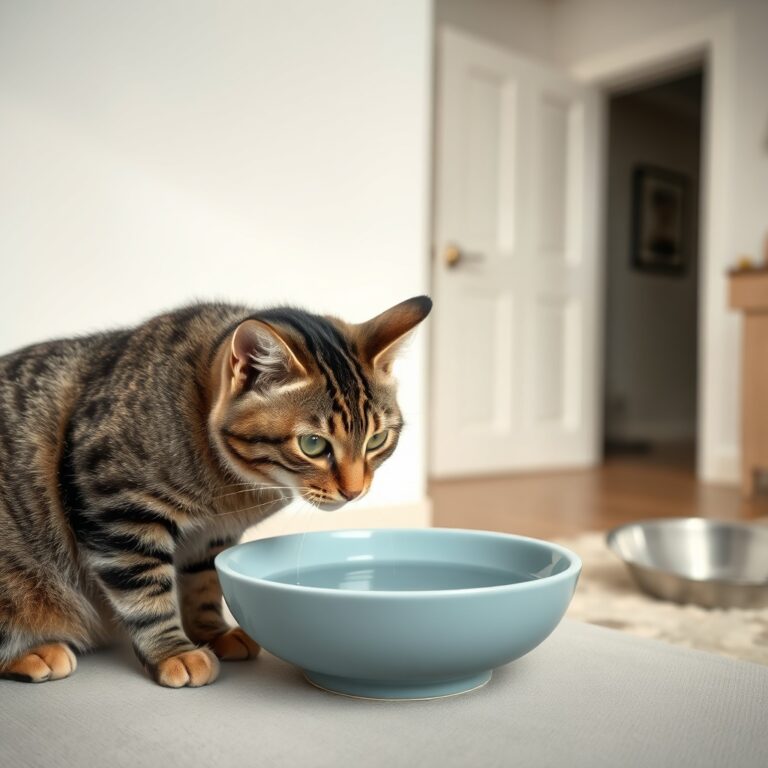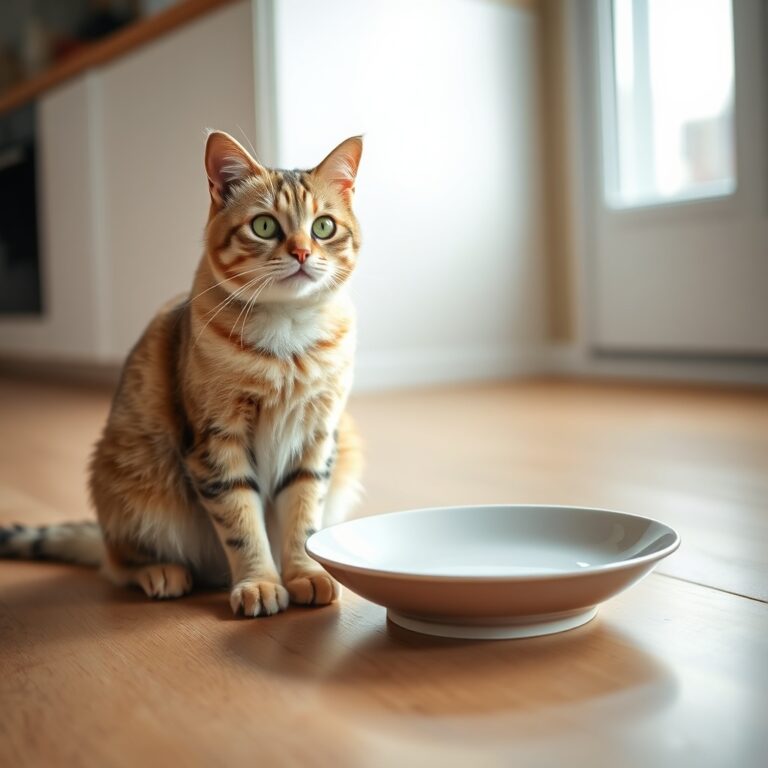


If you’ve ever spent money on a sleek, new water bowl only to watch your cat ignore it entirely and sit by the bathroom sink demanding a running faucet, you aren’t alone. It is one of those daily feline mysteries that leaves us shaking our heads while turning on the tap yet again.
Cats prefer drinking from the sink because running water is naturally appealing to their wild instincts, indicating safety and freshness, while the elevated faucet stream allows them to drink without bending low or subjecting their sensitive whiskers to whisker fatigue. Understanding these instinctual behaviors is the first step toward creating a healthier, happier home environment for your feline friend.
The Evolutionary Instincts Behind Faucet Drinking
To understand why your cat leaps onto the counter the moment they hear the plumbing hum, you have to look at their wild ancestors. Domestic cats still carry the genetic programming of African wildcats, who had to survive in harsh environments where clean water was a precious, hard-to-find resource.
1. Running Water Means Safety
In the wild, stagnant water is a breeding ground for harmful bacteria, parasites, and pathogens. Instinctively, cats associate the sound of splashing, flowing, or running water with safety. Your cat’s brain processes the dripping sink as a clean, flowing spring, whereas the still water in their bowl triggers a deep-seated caution.
2. Avoiding Whisker Fatigue
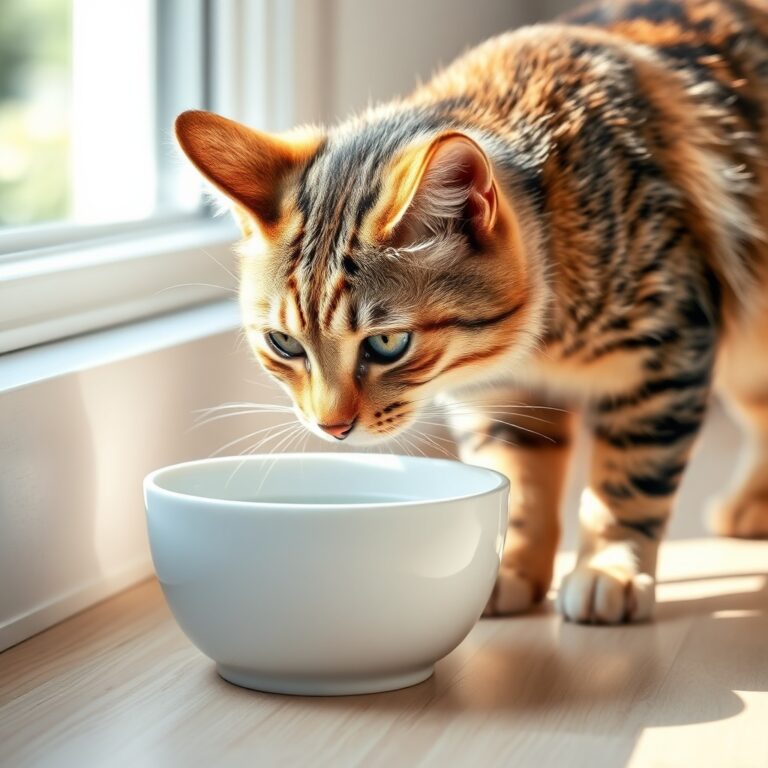
A cat’s whiskers are highly sensitive tactile sensors packed with nerve endings. When a cat has to squeeze its face into a deep, narrow water bowl, its whiskers constantly brush against the sides. This continuous sensory stimulation can cause a state of stress known as whisker fatigue. The wide, open space of a sink faucet allows them to lap up water freely without their whiskers touching a thing.
3. Better Physical Vantage Points
Cats are both predators and prey in nature. Crouching low over a bowl on the floor puts them in a highly vulnerable position, blocking their line of sight. Drinking from an elevated surface like a kitchen or bathroom sink allows them to scan the room and maintain a sense of security while satisfying their thirst.
Pros and Cons of Sink Drinking
While watching your cat drink from the faucet can be an adorable bonding moment, it is helpful to weigh the benefits against the daily realities of this habit.
The Pros
- Increased Hydration: Cats are notoriously poor drinkers. The novelty and appeal of running sink water often encourages them to drink more, supporting kidney health and preventing urinary tract issues.
- Unmatched Freshness: Water straight from the pipe is cooler, highly oxygenated, and lacks the stale taste that standing bowl water can acquire after a few hours.
The Cons
- Inconvenience and Hygiene: Having your cat on food preparation counters raises cleanliness concerns. It also requires you to manually turn the faucet on and off throughout the day.
- Potential for Dehydration: If your cat refuses to drink unless you turn on the tap, they may not get enough fluids when you are away at work or sleeping.
Simple Hacks to Encourage Healthy Drinking Habits
You do not have to leave your bathroom tap dripping all day to keep your cat hydrated. Implementing a few thoughtful adjustments to their daily setup can successfully transition them to safer, more convenient drinking stations.
Move the Water Away from the Food
In nature, cats avoid drinking water that is near their fresh prey to prevent contamination. If their water bowl is right next to their kibble, many cats will seek out water elsewhere—like the kitchen sink. Try moving their water station to a quiet corner in a completely different room.
Upgrade to a Cat Water Fountain
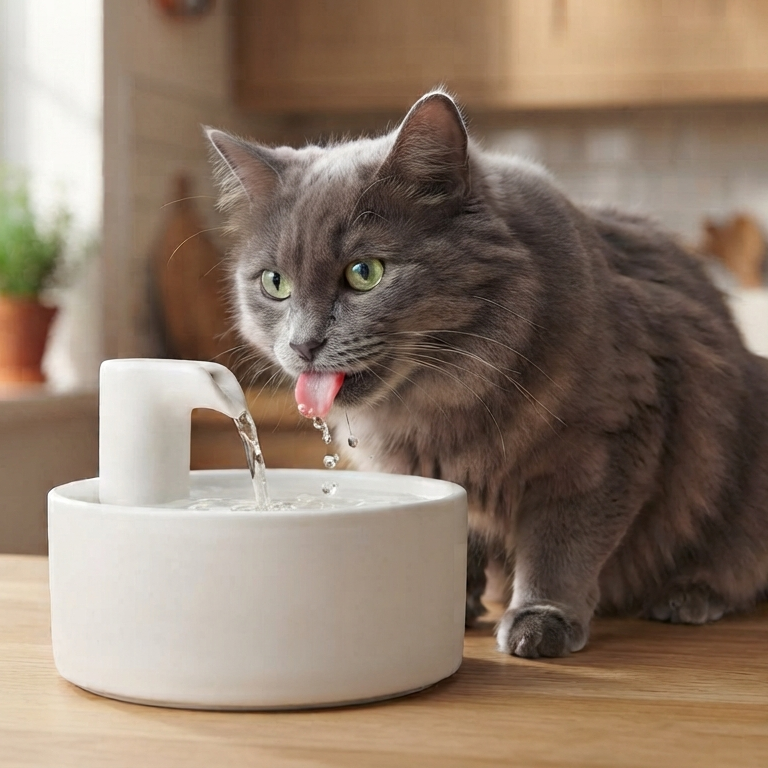
A circulating pet fountain is the ultimate tool for mimicking the faucet experience. These devices keep water continuously moving and filtered, providing the exact auditory and visual cues that attract cats to the sink. Opt for ceramic or stainless-steel fountains, as they resist bacteria buildup much better than plastic models.
Switch to Wide, Shallow Bowls
Replace deep, narrow cups with wide, shallow dishes that let your cat drink without their whiskers touching the edges. Ensure you fill the bowl to the very brim so they do not have to dip their head too far down to reach the surface.
When a High Thirst Signals a Medical Concern
While preferring the sink is usually a harmless behavioral quirk, a sudden, intense obsession with drinking water can sometimes indicate an underlying health issue. If you notice your cat visiting the sink far more frequently than usual, paired with heavy urination, it is time to consult your veterinarian. Conditions such as feline diabetes, chronic kidney disease, and hyperthyroidism often manifest as increased thirst (polydipsia) and require professional medical diagnosis and management.
Frequently Asked Questions
Is tap water from the sink safe for my cat?
Generally, if tap water is safe for human consumption in your area, it is safe for your cat. However, cats are highly sensitive to the smell of chlorine and heavy metals. Using a carbon-filtered pet fountain or offering filtered water can make the taste much more appealing to their sensitive noses.
How do I stop my cat from jumping on the counter for water?
The most effective way to stop this behavior is to provide a more attractive alternative on the floor, such as an active water fountain. Once the fountain is in place, make the counters less appealing by keeping them dry and using double-sided tape or smooth foil temporarily to discourage jumping.