
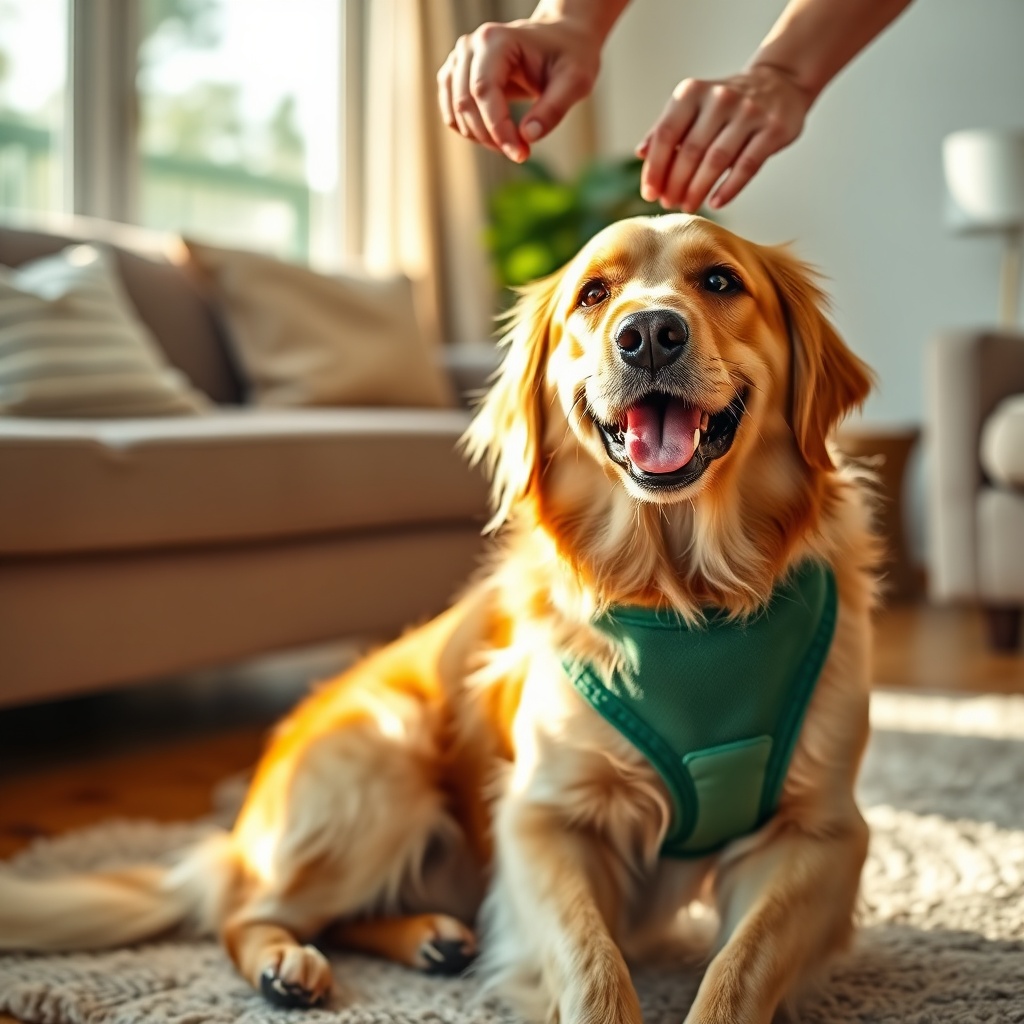
Leaving your dog’s harness on all day might seem like a harmless shortcut for those endless trips to the backyard, but that constant gear can quietly trigger some unexpected skin and coat issues before you even realize what’s happening.
No, your dog should not wear a harness every day, twenty-four hours a day. While harnesses are excellent tools for walks, training, and outdoor adventures, leaving them on continuously can cause painful skin chafing, severe fur matting, and poses a serious choking hazard if the straps get caught on household items.
The Hidden Risks of Constant Harness Wear
To understand why keeping a harness on indefinitely is a bad idea, it helps to look at how these accessories interact with your dog’s body over time. Unlike human clothing, which we change and wash daily, a harness sits tightly against a dog’s coat and skin, trapping moisture, dirt, and friction.
1. Skin Chafing and Friction Sores
Constant movement causes the straps of a harness to rub against your dog’s skin, especially in sensitive areas like the armpits, chest, and groin. Over several hours, this friction can wear away the protective layer of fur, leading to raw, red, and painful skin sores. If left unchecked, these irritated patches can easily become infected by bacteria or yeast trapped beneath the damp fabric.
2. Fur Matting and Tangles
For long-haired or double-coated breeds, friction is the ultimate enemy of a healthy coat. The continuous shifting of harness straps twists and knots the underlying fur. What starts as a small tangle can quickly escalate into tight, painful mats that pull at the skin. Removing these mats often requires painful dematting tools or shaving the affected areas completely.
3. Household Safety and Choking Hazards
One of the most dangerous aspects of leaving a harness on an unsupervised dog is the risk of snagging. Harnesses feature various rings, buckles, and straps that can easily hook onto crate wires, furniture corners, heating vents, or low-hanging branches in the yard. A trapped dog may panic, twisting violently to free itself, which can lead to severe neck injury, joint dislocation, or even strangulation.
When is it Safe to Keep a Harness On?
While 24/7 wear is not recommended, there are specific scenarios where keeping a harness on for extended periods is perfectly acceptable and even recommended for safety.
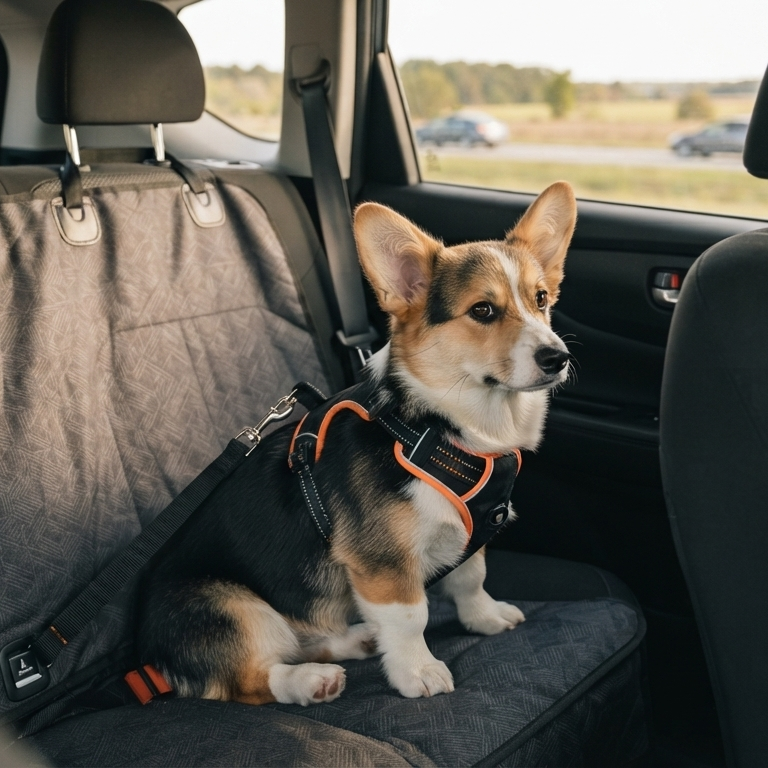
- Active Outdoor Adventures: During long hikes, camping trips, or road trips, keeping the harness on ensures you can secure your dog quickly in an emergency.
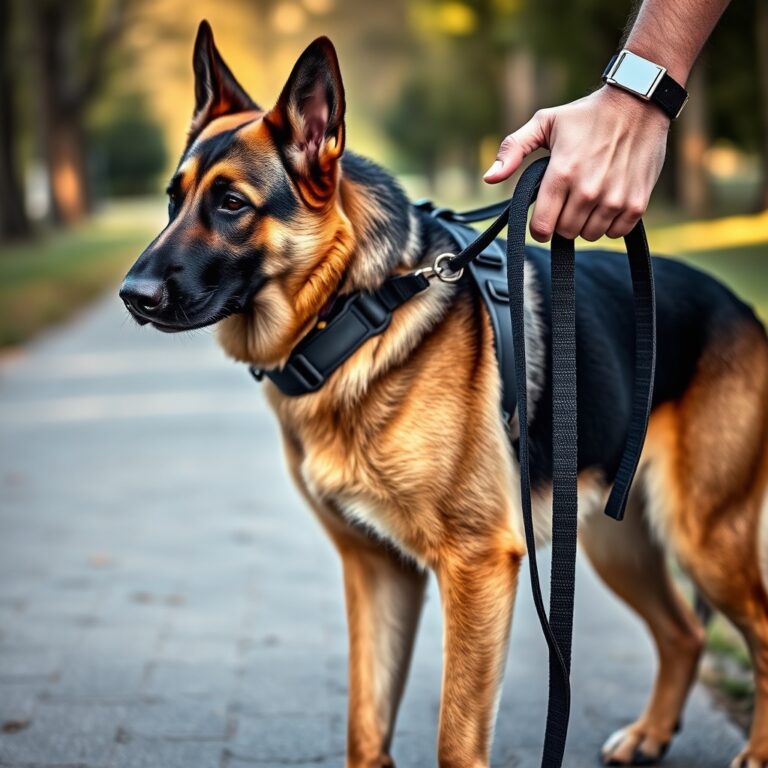
- Multi-Stop Errands: If you are running errands that require getting in and out of the car frequently, it is much easier and safer to leave the harness on during the transition periods.
- Training and Rehabilitation: If your dog is undergoing behavioral therapy or recovering from surgery and needs assistance walking, leaving the harness on during their active hours can help you assist them safely.
Establishing a Healthy Routine
To keep your dog comfortable and safe, establish a healthy gear routine. The best practice is to treat your dog’s harness like your own outdoor shoes: put it on when heading out, and take it off as soon as you return home. This simple habit allows your dog’s skin to breathe, prevents painful matting, and lets them relax completely in their natural state.
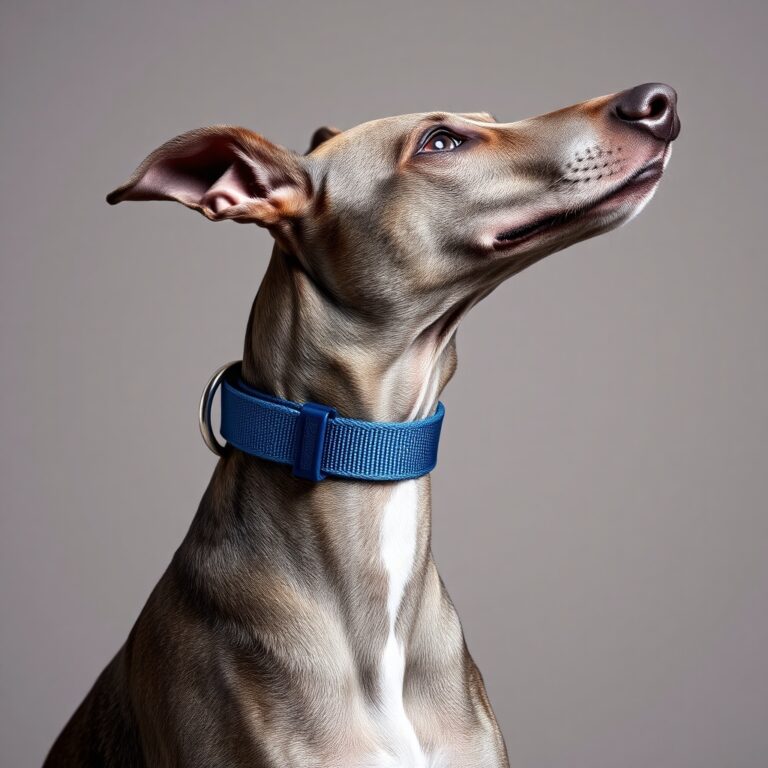
If your dog needs to wear identification tags at all times, opt for a lightweight, flat breakaway collar instead of a heavy harness. These collars are designed to snap open under tension, keeping your dog safe from snagging hazards while ensuring they still carry your contact information.
Frequently Asked Questions
Can my dog sleep in a harness?
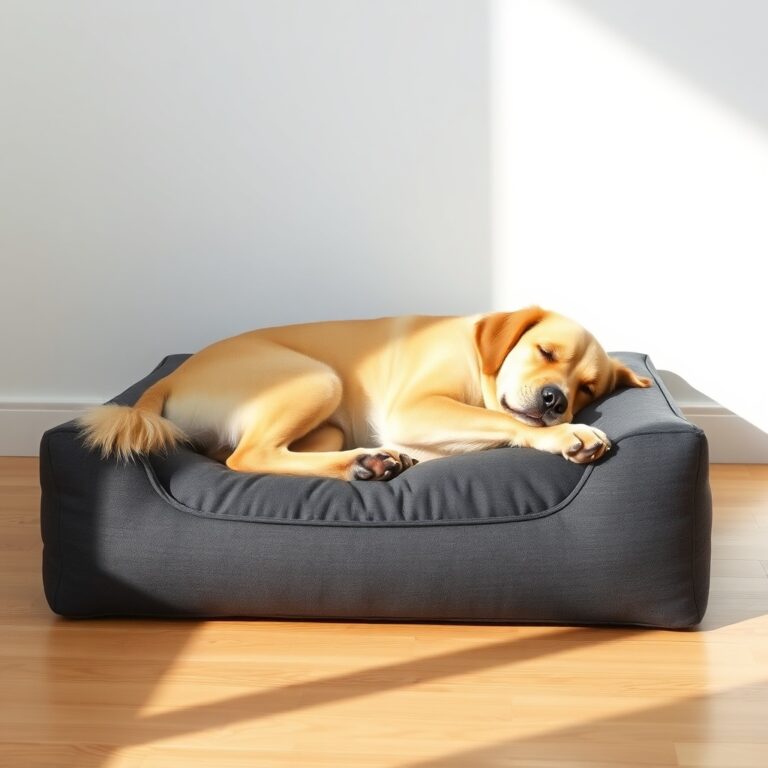
No, dogs should not sleep in a harness. Sleeping in a harness restricts their natural movement, traps moisture close to their skin, and creates a significant choking hazard if the straps get caught on bedding or crate bars overnight.
How do I know if my dog’s harness is too tight?
You can check the fit using the two-finger rule. You should be able to slide two fingers comfortably beneath any strap of the harness. If you cannot fit your fingers, it is too tight and will cause chafing. If you can fit more than two fingers, it is too loose and your dog might slip out of it.
Can leaving a harness on cause hot spots?
Yes, especially if the harness gets wet from rain, dew, or swimming. A damp harness traps moisture against the skin, creating the perfect warm, dark environment for bacteria to multiply, which quickly leads to painful, weeping hot spots.