
Walking a powerful dog means navigating sudden lunges and heavy pulls where a single snapped clip or slipped collar can instantly compromise your control. That split-second of vulnerability is exactly why a growing number of handlers are shifting away from traditional setups and turning to a two-leash system for extra security and leverage.
Yes, you should use two leashes for large dogs if they are highly reactive, prone to pulling, or if you require a redundant safety backup to prevent escape. This tactical configuration, typically pairing a collar and a harness, provides double the physical control and ensures your pet remains secure even if one piece of gear fails.
Why Two Leashes are a Game-Changer for Large Dogs
Walking a large dog requires more than just physical strength; it requires mechanical leverage. When you connect only one leash, a powerful dog can easily use its center of gravity to pull you forward. Implementing a double-leash system offers several distinct advantages:
- Redundant Safety Backup: Gear fails. Clips snap, collars slip over heads, and harnesses tear. If one connection point fails, the second leash guarantees your dog remains attached to you.
- Dual-Point Steering: By attaching one leash to a front-clip harness and another to a collar or back-clip harness, you can steer the dog’s head and body separately. This is similar to how a rider uses reins on a horse.
- Force Distribution: Instead of all the pulling force concentrating on the dog’s neck, the tension is divided between the stronger chest area and the collar, reducing the risk of tracheal damage.
How to Set Up a Double-Leash System Safely
Transitioning to two leashes requires a systematic approach to prevent tangling and maximize your physical leverage. Follow this step-by-step action plan on your next walk:
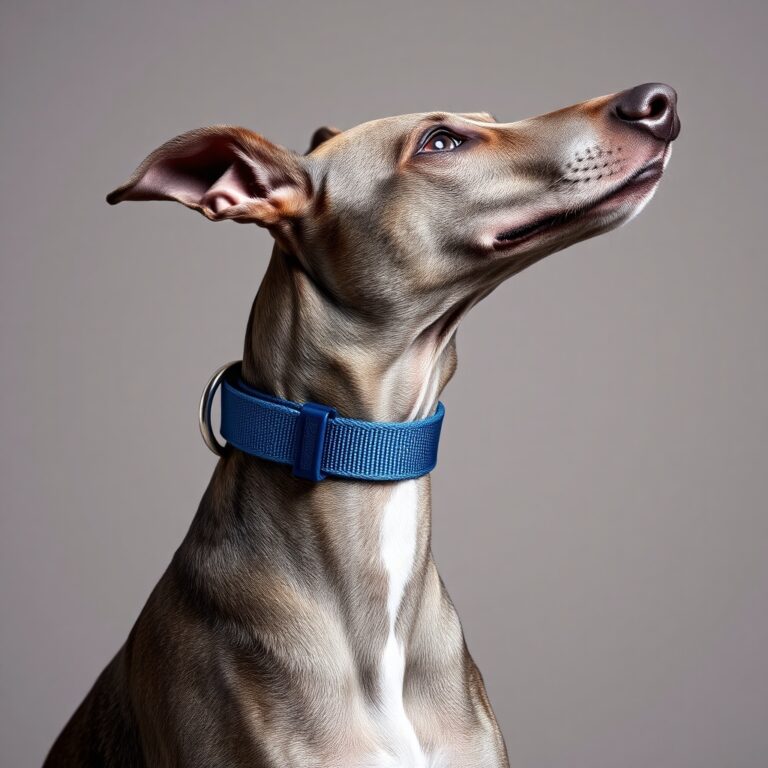
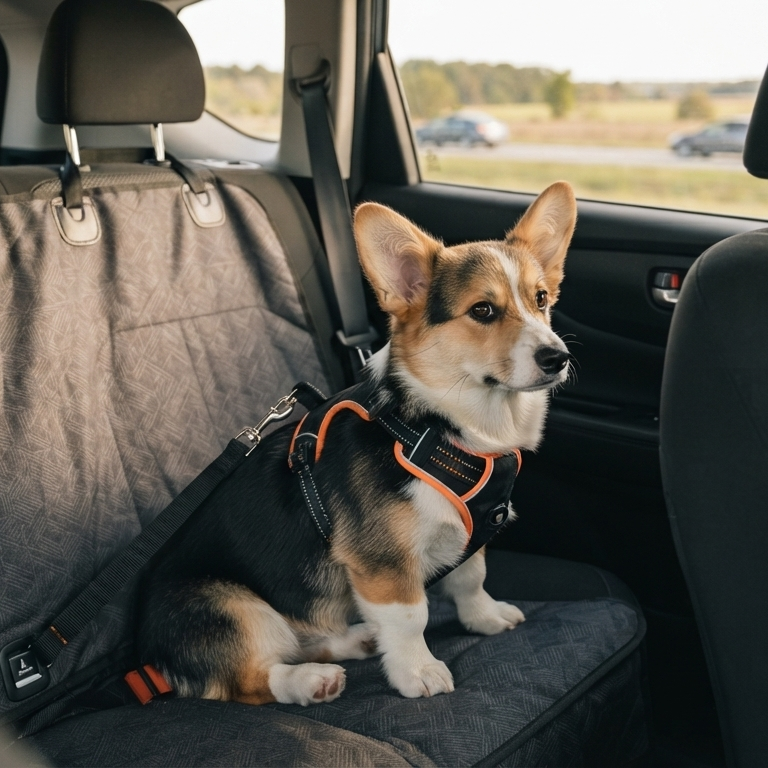
- Step 1: Choose the Right Gear. Equip your dog with a well-fitted, non-slip flat collar and a heavy-duty, multi-point harness featuring both front and back chest rings. Avoid choke chains or prong collars for this setup.
- Step 2: Select Your Leashes. Use two distinct, high-quality fixed-length leashes (four to six feet is ideal). Do not use retractable leashes. Utilizing different colors can help you visually distinguish which leash controls which point of contact.
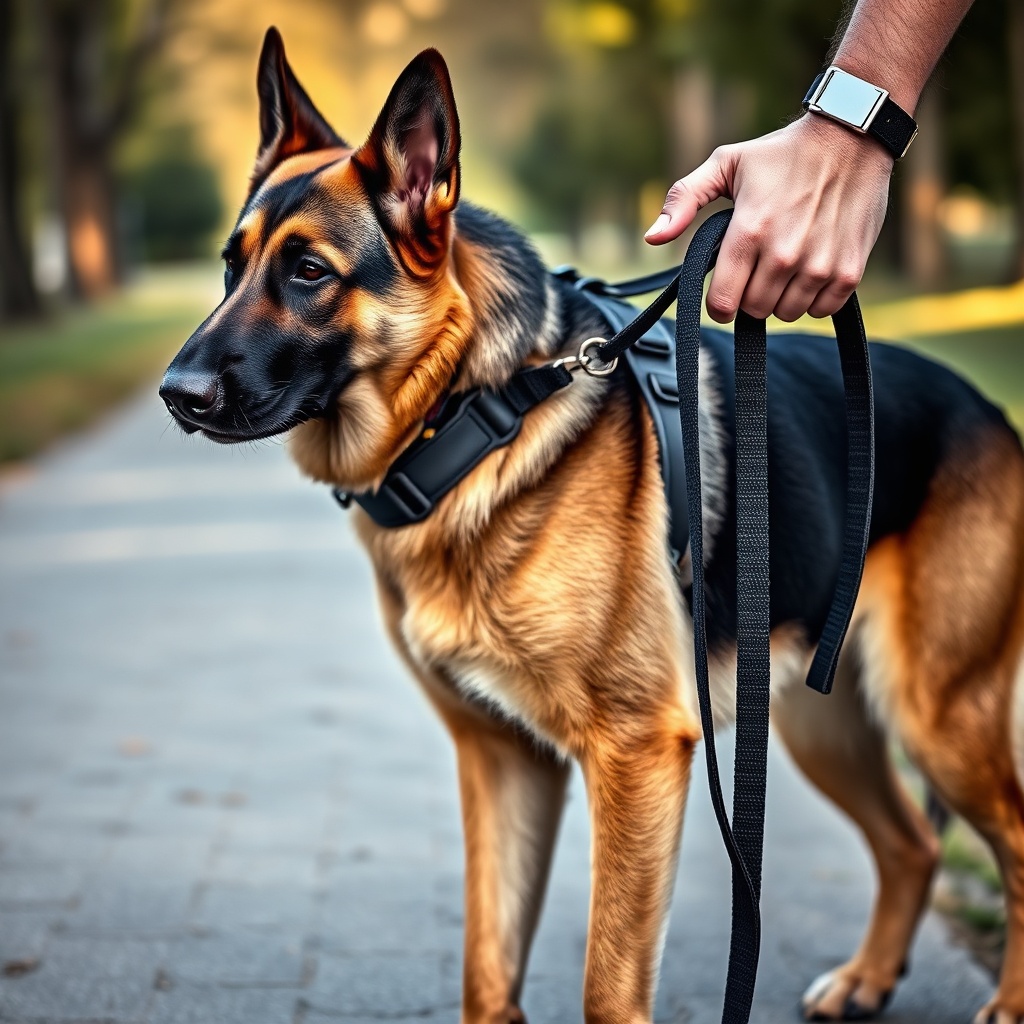
- Step 3: Establish the Connection. Clip Leash A to the dog’s collar (for emergency backup and head control). Clip Leash B to the harness’s front or back ring (for primary steering and braking power).
- Step 4: Master the Grip. Hold one leash in each hand, or hold both in your dominant hand with your fingers separating the straps to maintain independent control. Keep your arms close to your core to maximize your physical stability.
Common Mistakes to Avoid When Walking with Two Leashes
While this technique offers unparalleled control, poor execution can create safety hazards. Watch out for these common missteps:
- Wrapping Leashes Around Fingers: Never loop the leash fabric tightly around your fingers or wrists. If a large dog lunges suddenly, this can cause fractures or severe friction burns. Instead, slip your palm through the wrist loop and grasp the body of the strap.
- Using Unequal Leash Lengths: If one leash is significantly longer than the other, the shorter leash will bear all the tension, rendering the second leash useless until the first is fully stretched. Keep both leashes relatively equal in slack.
- Neglecting Hand-to-Core Positioning: Outstretching your arms reduces your leverage. Keep your elbows bent and close to your waist, using your body’s natural center of gravity to anchor yourself against sudden pulls.
Alternative Solutions: The Double-Ended Training Leash
If managing two separate leash straps feels too cumbersome, a double-ended training leash (often called a European training leash or multi-function leash) is an excellent alternative. This single piece of gear features a snap clip on both ends and multiple metal rings along its length. You can clip one end to the harness and the other to the collar, creating a unified double-connection system that you can easily hold with one hand.
Frequently Asked Questions
Will using two leashes make my dog pull more?
No. In fact, when combined with a front-clip harness, a double-connection setup naturally redirects your dog’s forward momentum sideways, discouraging pulling behavior over time.
Is a double-leash setup safe for puppies?
It is generally unnecessary for young puppies. This method is best reserved for adolescent or adult large-breed dogs that have developed significant physical power and pulling habits.
Can I attach both leashes to the same collar?
No, this defeats the purpose. The goal is to have two distinct connection points on different parts of the dog’s body (like collar and harness) to distribute weight and provide steering leverage.