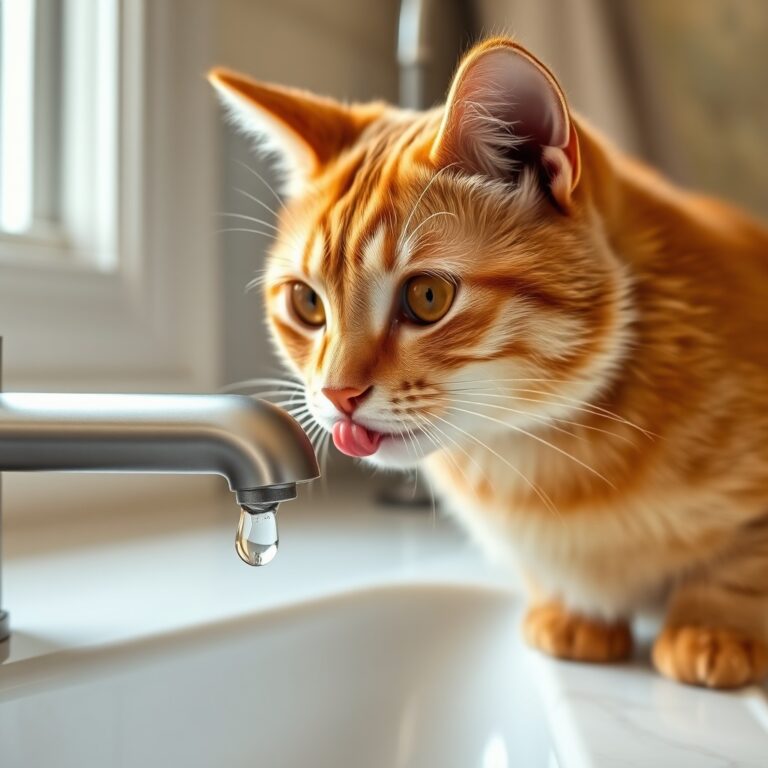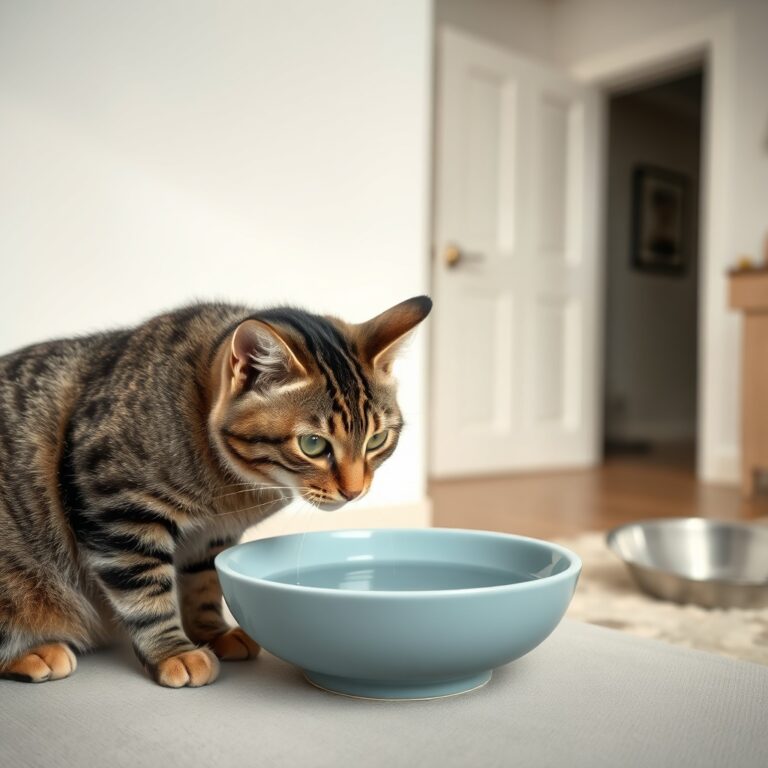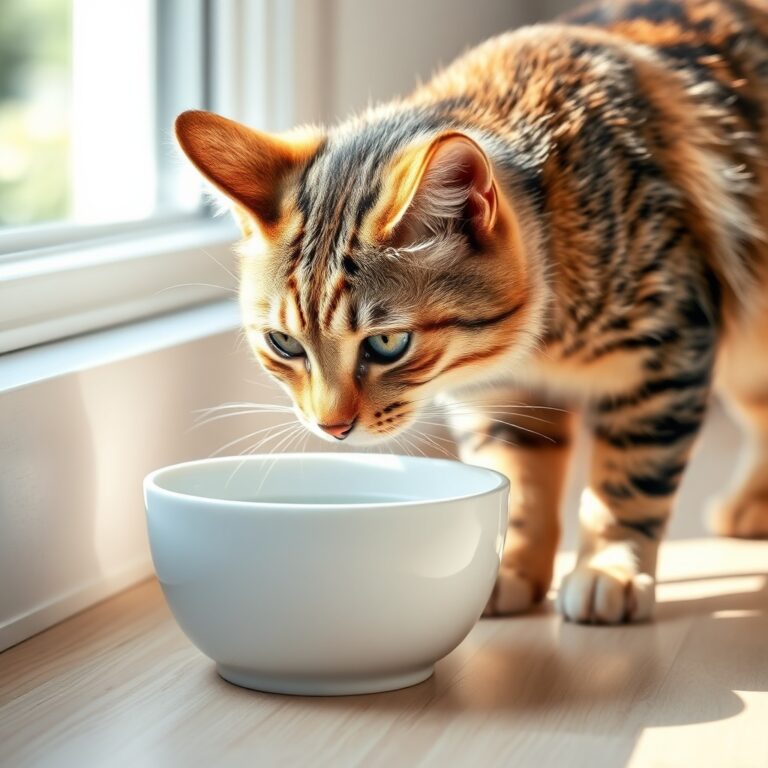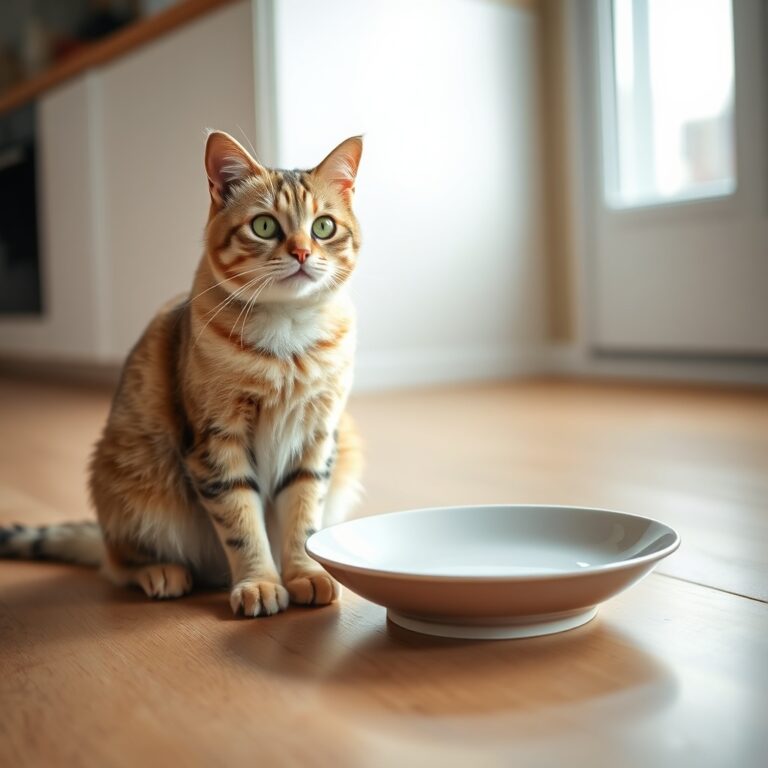

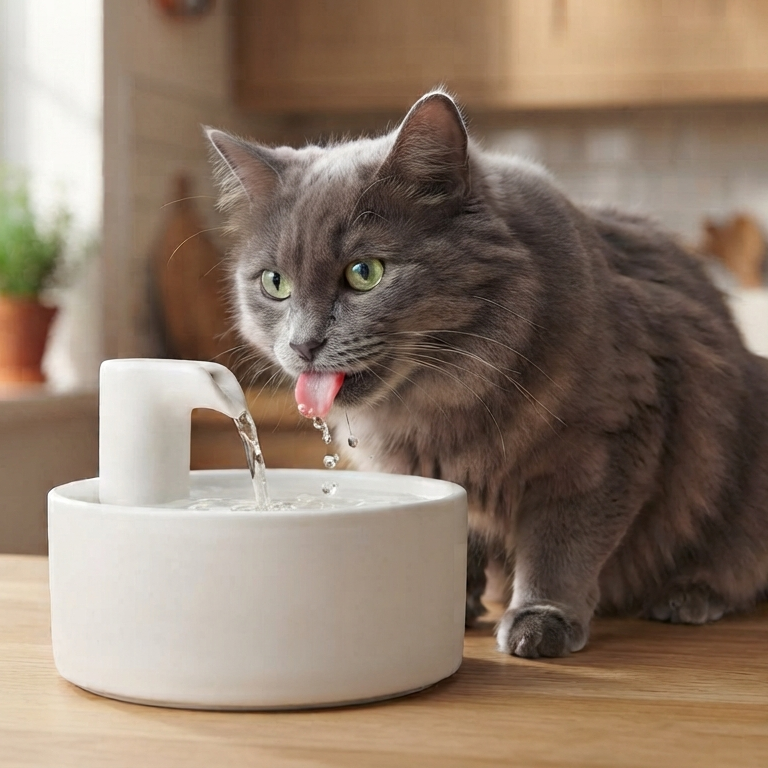
If you’ve ever watched your cat ignore a full bowl of fresh water just to beg for a stream straight from the kitchen faucet, you aren’t alone. That quirky obsession with running water isn’t just an amusing quirk—it is actually driven by deeply ingrained survival instincts.
Cats prefer water fountains because their evolutionary instincts associate running water with safety, freshness, and oxygenation, whereas still water in a standard bowl is instinctively perceived as a potential breeding ground for harmful bacteria and toxins.
The Evolutionary Pull of Flowing Water
To understand why your domestic cat turns up its nose at a clean bowl of still water, we must look at their ancestors. African wildcats, the progenitors of modern domestic felines, lived in arid environments where water was scarce. In the wild, stagnant puddles are breeding grounds for pathogens, parasites, and decaying organic material. Flowing streams and bubbling springs, however, indicate a continuously moving, self-cleaning water source. Your cat’s preference for a fountain is a direct inheritance of this life-saving survival instinct.
The Hidden Senses: Whisker Fatigue and Visual Cues
Beyond evolutionary psychology, physical and sensory factors heavily influence how cats interact with their water sources. Two primary physical reasons make traditional bowls uncomfortable for felines:
- Whisker Fatigue: A cat’s whiskers are highly sensitive tactile sensors packed with nerve endings. When a cat dips its face into a deep, narrow water bowl, its whiskers constantly brush against the sides. This continuous tactile feedback causes sensory overload, known as whisker fatigue. Fountains typically offer wide, shallow pools or elevated streams that allow cats to drink without bending their whiskers.
- Poor Near Vision: Cats have incredible motion-detection and night vision, but their close-up, static vision is surprisingly poor. It is highly difficult for a cat to see the flat, still surface of water in a bowl. They often tap the water with their paw first to create ripples so they can gauge where the surface actually is. A fountain’s moving stream creates constant visual and auditory cues (the sound of bubbling water), making it effortless for them to locate.
The Instinct of Food and Water Separation
In a natural habitat, wild felines never consume their prey next to their water source. Doing so risks contaminating the water with blood, tissue, and bacteria from the carcass. When we place a water bowl directly next to a food bowl, we trigger an instinctual alarm. Many cats will refuse to drink from a bowl situated near their food. A separate, active water fountain placed in a completely different room aligns perfectly with their natural desire to hunt in one location and hydrate in another.
Stagnant Bowls vs. Water Fountains: A Quick Comparison
Understanding the core differences between these two watering methods can help you make the best decision for your pet’s daily health routine.
| Feature | Traditional Still Bowl | Pet Water Fountain |
|---|---|---|
| Oxygenation Level | Low (water becomes flat and stale quickly) | High (continuous movement adds fresh oxygen) |
| Whisker Comfort | Poor (frequent whisker contact with sides) | Excellent (shallow, elevated drinking areas) |
| Filtration | None (collects dust, hair, and saliva) | Active (carbon and foam filters remove debris) |
| Hydration Appeal | Minimal (requires manual encouragement) | High (naturally entices cats to drink more) |
Crucial Health Benefits of Increased Hydration
Cats have a naturally low thirst drive because their wild ancestors obtained most of their moisture directly from prey. However, a modern diet of dry kibble leaves many cats chronically dehydrated. This lack of fluid intake can lead to serious medical conditions, including urinary tract infections, kidney stones, and painful Feline Lower Urinary Tract Disease (FLUTD). By appealing to their natural preferences, water fountains encourage cats to consume significantly more water daily, flushing toxins from their kidneys and promoting overall urinary health.
How to Choose the Best Fountain for Your Cat
Not all pet fountains are created equal. When selecting a fountain, keep these practical points in mind:
- Material Choice: Avoid cheap plastic fountains. Plastic scratches easily, and those microscopic crevices quickly become breeding grounds for bacteria, which can cause feline acne on your cat’s chin. Opt instead for hygienic stainless steel or ceramic models.
- Noise Level: Look for a fountain with a quiet, submersible pump. If the motor hums too loudly, it may frighten sensitive or anxious cats, defeating the purpose of the fountain entirely.
- Filter Replacement: Choose a model with readily available replacement filters to ensure you can easily maintain the carbon and foam filtration system over time.
Frequently Asked Questions
How often should I clean a cat water fountain?
To prevent the buildup of slime, bacteria, and hard water minerals, you should thoroughly clean your cat’s water fountain once a week. Take the pump apart according to the manufacturer’s instructions to remove trapped pet hair, and replace the filters every two to four weeks depending on usage.
Why is my cat still splashing water out of the fountain?
Some cats splash water because of lingering instincts to test the water’s depth or clear away surface debris. Other times, it is simply play behavior. If this is a persistent habit, placing a waterproof silicone mat underneath the fountain will protect your flooring.
Can multiple cats share one water fountain?
Yes, multiple cats can easily share a water fountain, provided it holds a sufficient volume of water. In multi-cat households, fountains are actually preferred as the constant filtration prevents the water from tasting like another cat’s saliva, keeping it appealing to every pet in the home.