
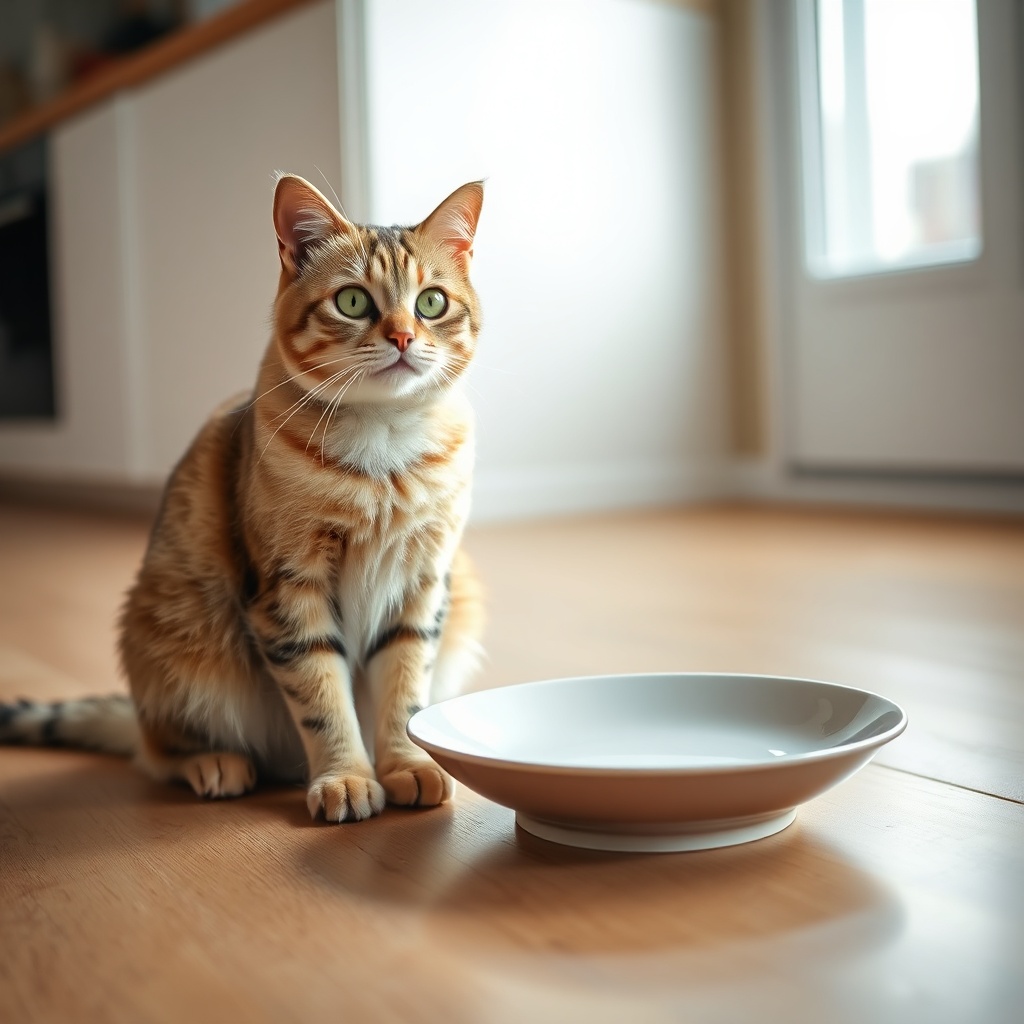
If your cat leaves half their kibble behind while pacing anxiously around the kitchen, it is easy to assume they are just being picky. But that refusal to finish dinner usually points to a hidden physical irritation rather than feline stubbornness, often coming right down to the shape of the bowl itself.
Cats avoid bowls that touch their whiskers because of a physiological phenomenon known as whisker fatigue, where the highly sensitive nerve endings in their tactile hairs become overstimulated by constant contact with the sides of deep, narrow dishes. This sensory overload transforms a routine mealtime into a stressful and uncomfortable experience for your pet.
The Science Behind Whisker Fatigue
A cat’s whiskers, scientifically called vibrissae, are not just ordinary hairs. They are specialized sensory organs deeply embedded in the feline nervous system. At the base of each whisker lies a rich cluster of highly sensitive nerve endings and proprioceptors, which are sensory receptors that detect motion, spatial orientation, and environmental changes.
These vibrissae are so powerful they can detect minute changes in air currents, helping cats navigate in the dark, judge the width of tight openings, and track prey. When a cat is forced to stick its face into a deep, narrow bowl to reach food or water, its sensitive whiskers are constantly bent, pressed, and scraped against the hard sides. This continuous tactile stimulation floods the cat’s brain with sensory information, leading to sensory overload, stress, and physical fatigue.
Recognizing the Signs of Sensory Overload at Mealtime
If your cat is struggling with its current food dish, they will communicate their discomfort through specific behaviors. Recognizing these subtle signs early allows you to address the issue before it impacts their nutritional intake or causes chronic stress.
- Food Flipping: Your cat paws food out of the bowl and eats it directly off the floor.
- Pacing and Vocalization: The cat meows loudly near the bowl, walks away, and returns repeatedly, showing hunger but hesitating to eat.
- Leaving Leftovers: Only eating the food from the very center of the bowl, leaving a perfect ring of food untouched along the edges where their whiskers would make contact.
- Aggressive or Hesitant Behavior: Guarding the bowl or showing signs of anxiety, such as looking around nervously while chewing.
Step-by-Step Plan to Eliminate Whisker Stress
Transitioning your cat to a stress-free feeding setup is straightforward and yields immediate results in their eating habits and mood.
1. Swap Deep Bowls for Shallow Dishes
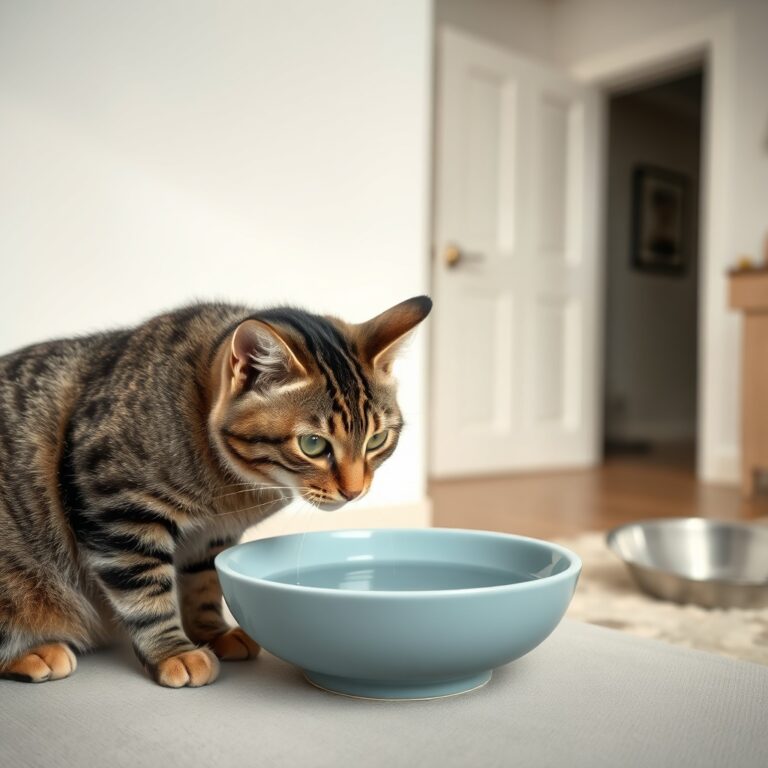
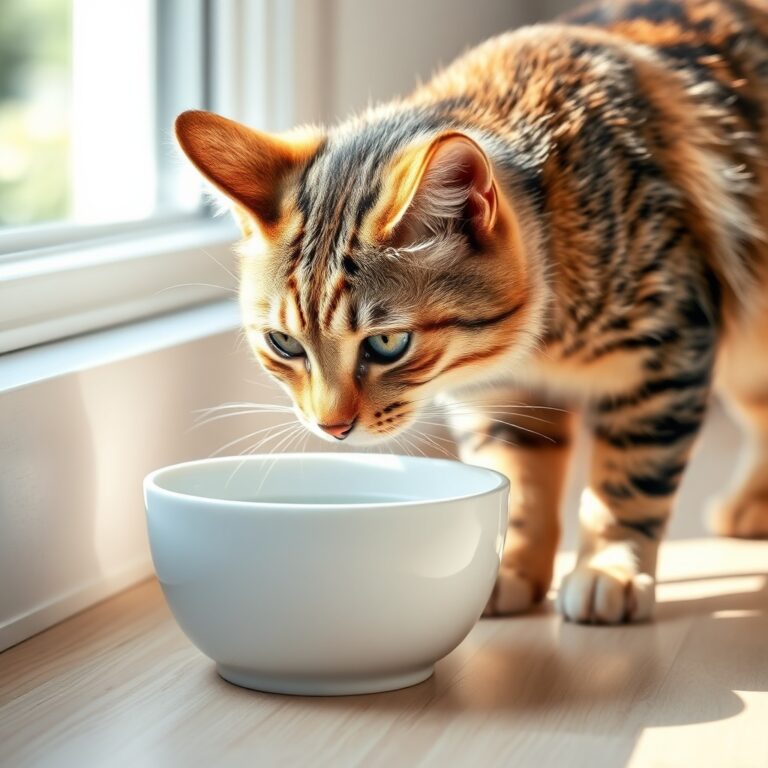
Replace your deep, narrow bowls with wide, shallow saucers or plates. The ideal dish should be completely flat or have very low, gently sloped edges. This structural design ensures that your cat can access every bite of food without their whiskers ever touching the sides.
2. Choose the Right Material
Opt for high-quality, non-porous materials. Ceramic, stainless steel, and glass are excellent choices. Avoid cheap plastic dishes, which scratch easily and harbor bacteria that can cause painful feline acne, adding further discomfort to their face.
3. Elevate the Food Station
Consider using an elevated feeding platform. Raising the dish a few inches off the ground allows your cat to eat in a more natural, ergonomic standing position. This reduces strain on their neck and spine while keeping their whiskers clear of the floor.
4. Separate Food and Water Stations
In nature, cats do not consume prey near their water sources to avoid contamination. Place water dishes in separate locations away from the food bowl. Ensure the water bowl is also wide and shallow to prevent whisker fatigue during hydration.
Common Feeding Mistakes to Avoid
Even well-meaning owners can accidentally create a stressful dining environment. Review this checklist to ensure your feline’s feeding station is optimized for comfort:
- Using deep bowls designed for dogs.
- Placing the food dish in high-traffic hallways where the cat feels vulnerable.
- Allowing food to dry and crust on the edges of the plate, reducing the usable, whisker-safe surface area.
- Overcrowding the feeding area with multiple bowls packed too closely together.
Frequently Asked Questions
How can I tell if my cat has whisker fatigue or a dental issue?
Whisker fatigue behaviors usually stop immediately once you switch to a flat plate. If your cat continues to drop food, tilt their head strangely while chewing, drool, or refuse to eat entirely even from a flat surface, they may be experiencing painful dental disease or oral inflammation. In these cases, a veterinary examination is necessary.
Do all cats experience whisker fatigue?
While all cats possess highly sensitive vibrissae, individual sensitivity levels vary. Some cats are highly resilient and eat from deep bowls without obvious signs of distress, while others are highly sensitive and will refuse to eat unless their feeding surface is completely flat.
Can whisker fatigue affect my cat’s water intake?
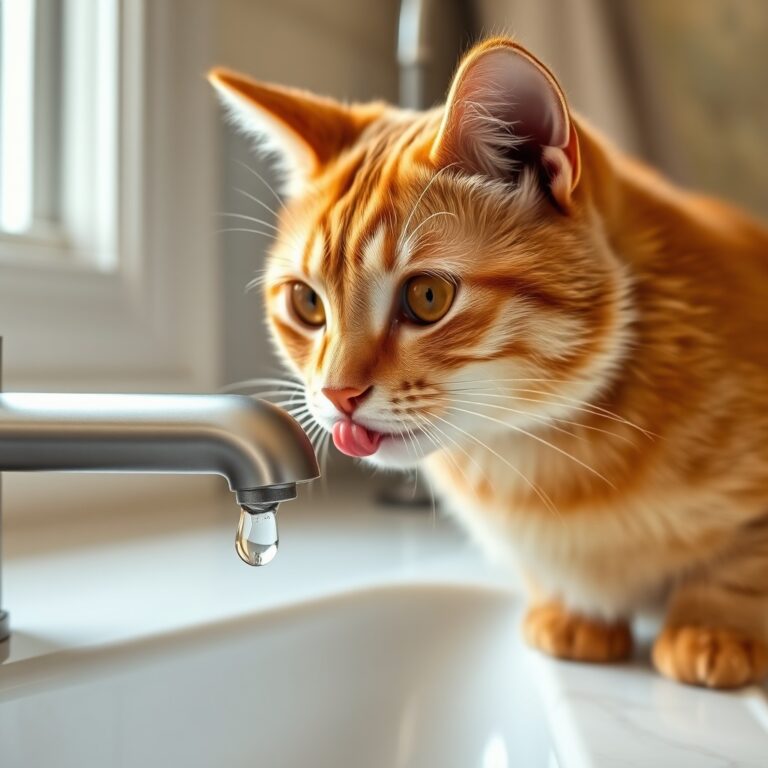
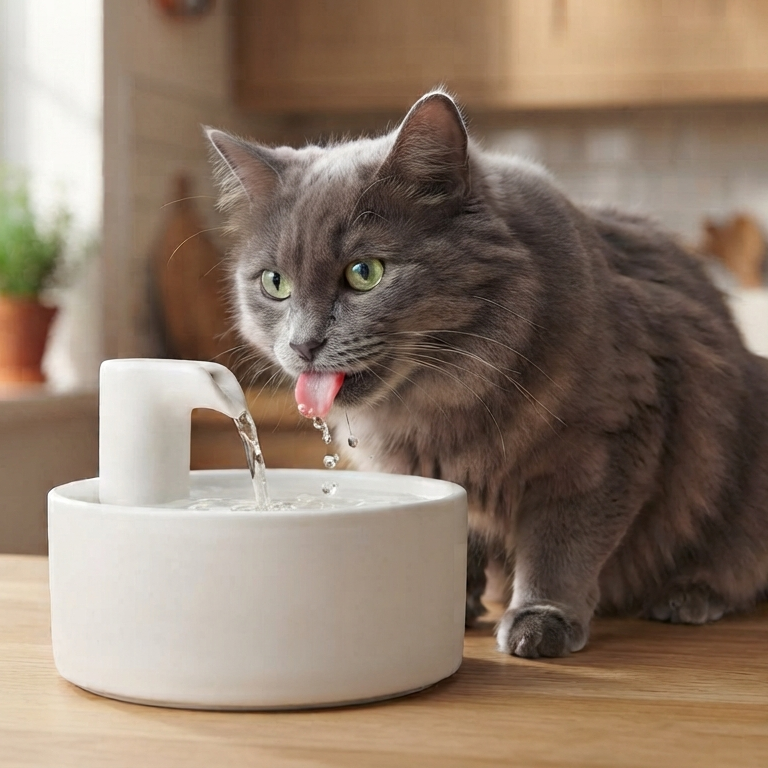
Yes. Cats are prone to dehydration, and if their water bowl is too narrow, they may drink less or resort to dipping their paws in the water to lick off the moisture. Switching to a wide water fountain or a shallow water dish can significantly increase their daily hydration.