
A sudden downpour can instantly turn a peaceful neighborhood stroll into a soggy, shivering ordeal for your four-legged companion. While dog raincoats are often brushed off as mere fashion accessories, skipping proper wet-weather gear can actually lead to chilled muscles, irritated skin, and an anxious pup that refuses to step outside. Figuring out whether your dog genuinely needs protection from the elements is the first step to keeping their body and mind happy all season long.
Whether your dog needs a raincoat depends on their coat type, size, age, and tolerance for wet weather. Short-haired, small, senior, or double-coated dogs shaved for summer benefit immensely from the thermal protection and moisture barrier a high-quality raincoat provides.
Physical Indicators: Which Dogs Actually Need Rain Gear?
Not every dog is built to handle wet weather. While some breeds are genetically equipped to swim in icy waters, others quickly succumb to shivering and distress. Analyzing your dog’s physiological profile helps determine their real need for a protective layer.
1. Single-Coated and Short-Haired Breeds
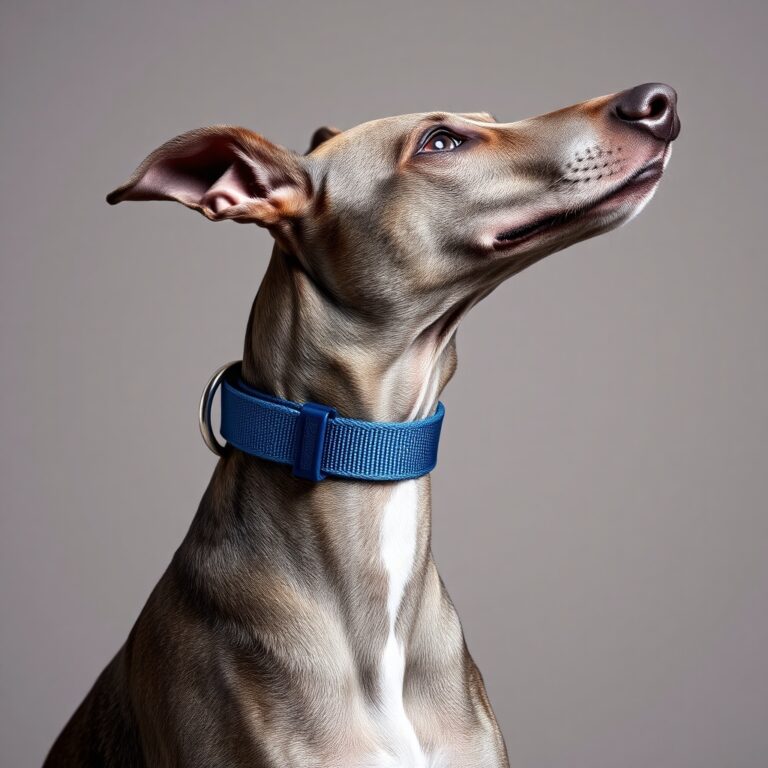
Breeds like Greyhounds, Chihuahuas, French Bulldogs, and Boxers lack a dense, insulating undercoat. Without this natural layer of protection, rain penetrates directly to their skin, rapidly dropping their core body temperature. For these dogs, a water-resistant coat acts as an artificial undercoat, shielding them from wind chill and hypothermia.
2. Low-to-the-Ground Breeds
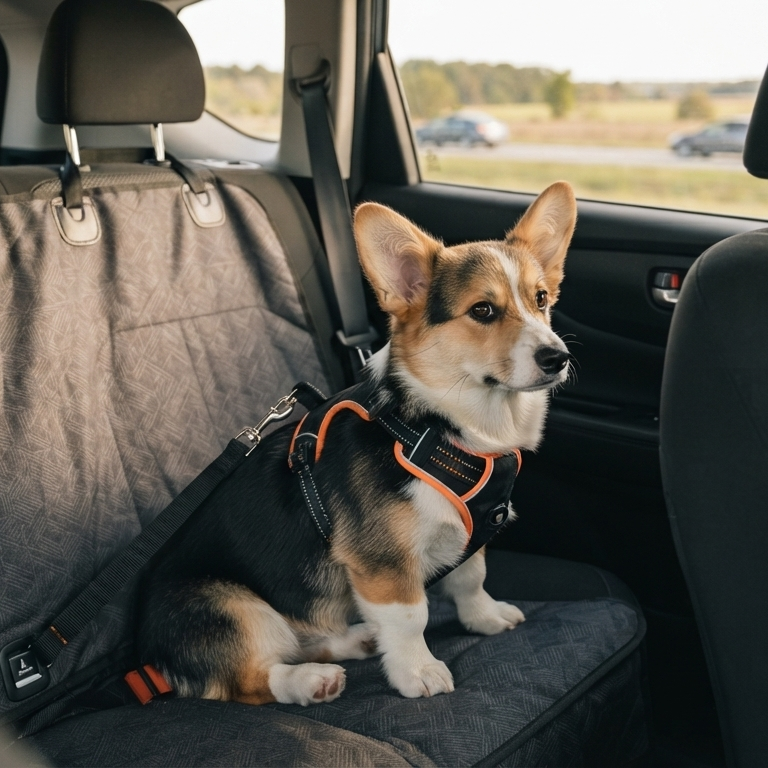
Corgis, Dachshunds, and Basset Hounds walk close to the pavement. They do not just face rain from above; they also absorb dirty splashback from puddles, mud, and street runoff directly onto their bellies. A raincoat with comprehensive underbelly coverage is essential to keep these low-riding dogs clean and warm.
3. Seniors, Puppies, and Health-Compromised Pets
Very young puppies and senior dogs struggle with thermoregulation. Arthritic dogs often experience increased joint stiffness and pain when cold and wet. Keeping these vulnerable pets dry during outdoor excursions directly preserves their comfort and mobility.
4. Heavy-Coated Breeds (The Exception)
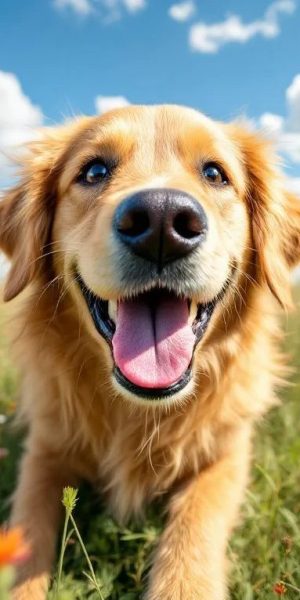
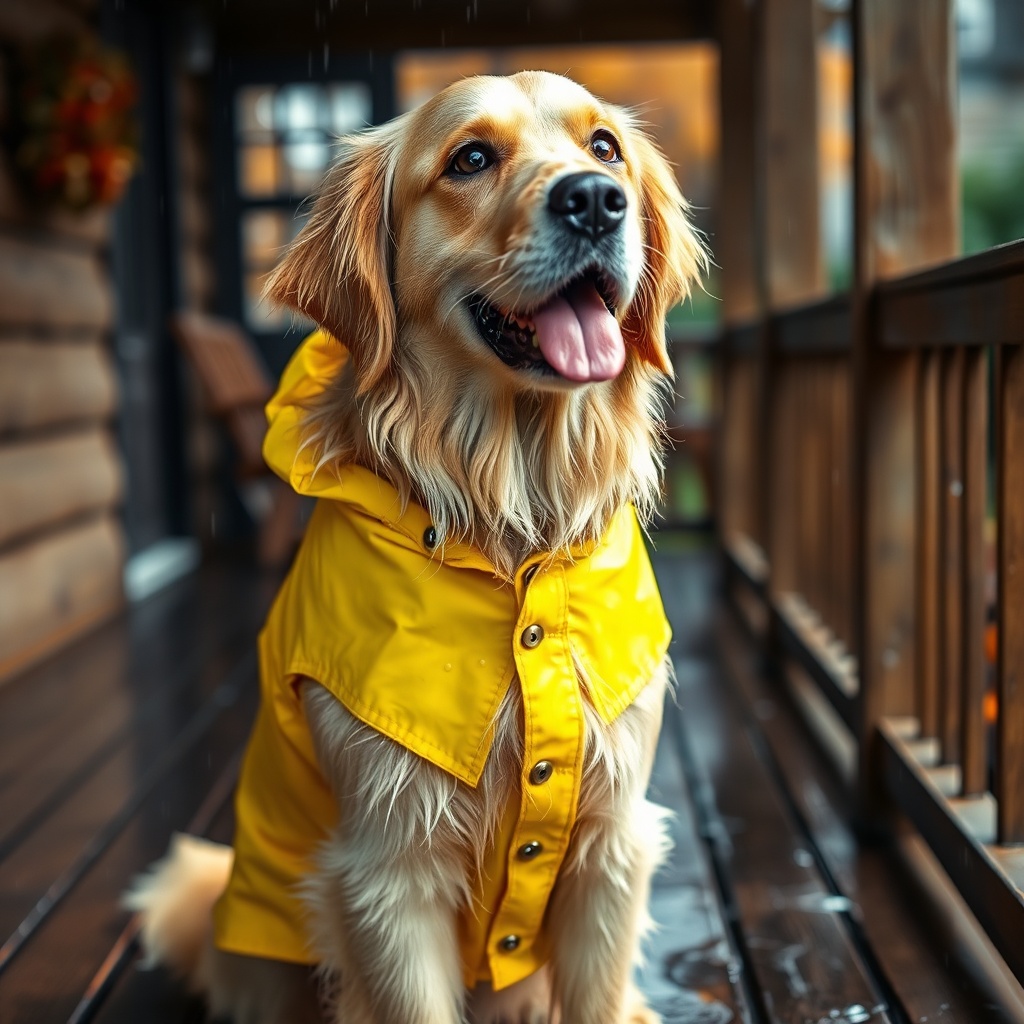
Double-coated water retrievers, such as Newfoundlands, Golden Retrievers, and Siberian Huskies, have water-repellent outer guards and dense undercoats designed to lock out moisture. For these dogs, a raincoat is rarely a biological necessity, though it can still be a convenient tool to minimize post-walk cleanup.
The Hidden Benefits Beyond Staying Dry
A high-quality dog raincoat serves several functional purposes that extend far beyond simply keeping the fur dry. Investing in the right gear offers practical advantages for both pet and owner.
- Reduced Walk Anxiety: Many dogs dislike the sensation of raindrops hitting their back or ears. A hooded or high-collar raincoat dampens this tactile sensory input, making them feel safer and more willing to relieve themselves outdoors.
- Protecting Skin Health: Trapped moisture in a dog’s coat creates a warm, dark environment perfect for yeast and bacterial infections. Keeping the fur dry prevents the development of painful hot spots and damp-induced dermatitis.
- Eliminating the ‘Wet-Dog’ Smell: The signature damp dog odor is caused by volatile organic compounds released when water evaporates from a dog’s fur. Keeping the coat dry means your home and carpets remain free of this persistent smell.
- Saves Grooming Time: Instead of spending twenty minutes blow-drying and brushing out a wet, matted coat after every walk, you can simply remove the raincoat and dry off their paws.
A Quick Guide to Selecting the Perfect Raincoat
When shopping for canine rain gear, look for specific design elements that optimize comfort, protection, and safety. A poorly designed coat can restrict movement or cause chafing.
| Feature | What to Look For | Why It Matters |
|---|---|---|
| Material | Breathable, waterproof nylon or polyester | Prevents sweating and overheating while keeping rain out |
| Underbelly Strap | Wide, adjustable belly coverage | Protects against wet puddle splashes and mud |
| Harness Attachment | Built-in leash portal or zipper slit | Allows you to easily clip a leash to a harness underneath |
| Reflective Trim | High-visibility strips or piping | Ensures your dog is visible to drivers on gloomy, dark days |
Pros and Cons of Dog Raincoats
To help you decide if a raincoat is the right fit for your daily routine, consider this quick comparison of the benefits and potential drawbacks.
Pros:
- Prevents wet-weather shivering and hypothermia in vulnerable breeds.
- Cuts post-walk drying and grooming time by up to 80%.
- Protects the dog’s chest and belly from road salt, mud, and dirty runoff.
- Improves low-light visibility for safer walks.
Cons:
- Some dogs require slow training to feel comfortable wearing clothes.
- Poorly fitting coats can cause friction burns in the armpits or groin.
- Thick, insulated raincoats can cause heavy-coated dogs to overheat in warm, humid weather.
Frequently Asked Questions
How do I know if my dog hates wearing a raincoat?
If your dog freezes, refuses to walk, tucks their tail, or continuously tries to rub the coat off against furniture, they are feeling uncomfortable or anxious. Introduce the coat slowly indoors using positive reinforcement, rewarding them with high-value treats just for sniffing and wearing it for short periods.
Can my dog wear a raincoat in warm summer rain?
Yes, but you must choose an unlined, highly breathable waterproof shell. Avoid fleece-lined or insulated coats in warm climates, as dogs do not sweat through their skin and can easily overheat even while walking in the rain.
How do I measure my dog for a proper raincoat fit?
Use a soft measuring tape to find three key dimensions: the length of the back (from the base of the neck to the base of the tail), the girth (the widest part of the chest), and the neck circumference. Always prioritize the chest measurement to ensure comfort and freedom of movement.