

When a dog burrows beneath the duvet, it looks like a charming habit borrowed straight from their humans. But that cozy habit actually runs much deeper, connecting straight back to ancient canine instincts and evolutionary history.
Do dogs like sleeping under blankets? Yes, many dogs love sleeping under blankets because it mimics the warm, dark, and secure feeling of a wild canine den, offering physical warmth and a psychological sense of safety.
The Psychology of the Den: Why Dogs Burrow
To understand why your dog loves to disappear beneath your sheets, you have to look at their ancestral roots. Wild canids are den animals. Mother dogs raise their puppies in small, dark, enclosed spaces that protect them from predators and the elements. This early association with confined spaces translates to a lifelong comfort with draft-free, secure micro-environments.
When your dog burrows under a blanket, they are recreating this denning experience. The pressure of the blanket mimics the close contact of littermates, triggering the release of comforting hormones like oxytocin. For anxious or sensitive dogs, this dark retreat functions as a sensory deprivation chamber, helping them calm down from household noises, bright lights, or separation anxiety.
Which Breeds Love Blankets the Most?
While any dog might enjoy a snuggle, certain breeds are biologically hardwired to burrow. This behavior is particularly common in:
- Dachshunds: Bred to hunt badgers in underground tunnels, these dogs have an intense genetic urge to burrow into any soft, tunnel-like structure.
- Terriers: Many terrier breeds were developed to go to ground, chasing rodents and quarry into tight subterranean spaces.
- Chihuahuas: Originating from warm climates, these tiny dogs have exceptionally high heat-seeking behaviors and rely on blankets to maintain their body temperature.
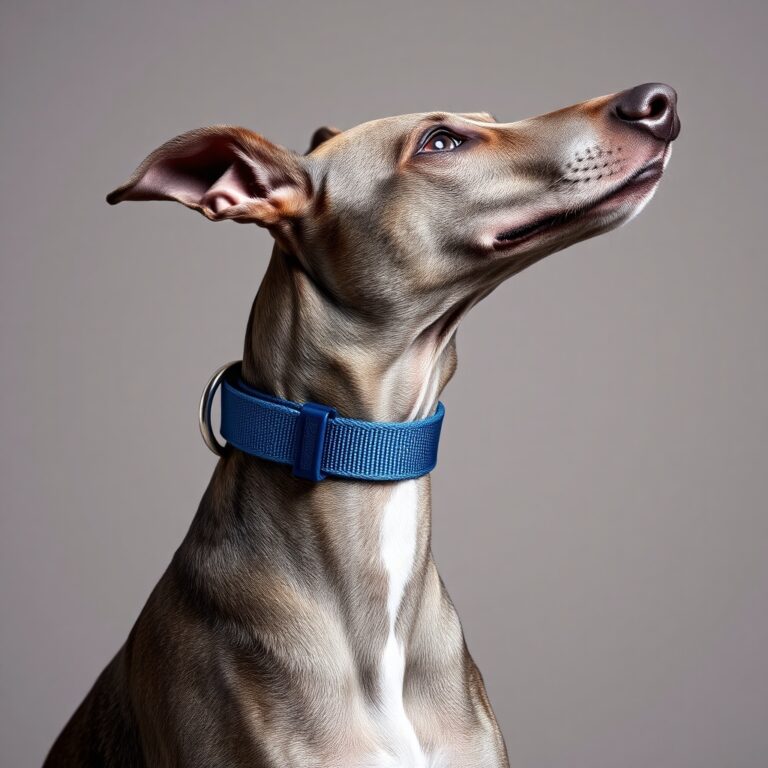
- Sighthounds (Whippets, Greyhounds): With very low body fat and thin coats, these dogs easily get cold and actively seek out insulated sleeping spots.
Is It Safe for Your Dog to Sleep Under Covers?
For the vast majority of healthy, adult dogs, sleeping under the blankets is perfectly safe. Dogs have a natural ability to monitor their own oxygen levels and temperature. If they become too hot or find it difficult to breathe, their natural instincts will prompt them to wake up, adjust their position, or crawl out of the bed.
However, safety depends heavily on the materials you use and your dog’s physical capabilities. There are several critical risk factors that every pet owner must consider.
Red Flags: When Blanket Sleeping Is Dangerous
- Brachycephalic Breeds: Flat-faced dogs like Pugs, French Bulldogs, and Boston Terriers already have compromised airways. They struggle to regulate their body temperature and are highly susceptible to overheating and suffocation under heavy covers.
- Puppies and Senior Dogs: Very young or frail dogs may lack the physical strength or coordination to free themselves if they get tangled or overheated.
- Weighted Blankets: You should never let your dog sleep under a human weighted blanket. The heavy glass beads or dense fabric can restrict their chest expansion, making it incredibly difficult for them to breathe.
- Tight or Intricate Weaves: Blankets with loose, looped threads or knit patterns can snag your dog’s claws, leading to panic, injury, or restricted circulation.
Blanket Sleeping Checklist: Quick Facts & Safety Rules
To ensure your dog can indulge in their denning instincts without risk, follow this safety checklist:
- Choose breathable fabrics: Opt for lightweight cotton, fleece, or specialized dog blankets. Avoid heavy down duvets or thick wool.
- Always leave an exit: Ensure the blanket is loosely draped so your dog can easily nudge their way out. Never tuck the edges of the blanket tightly under the mattress.
- Monitor room temperature: If your bedroom is warm, your dog is much more likely to overheat under the covers. Keep the room at a comfortable, cool temperature.
- Wash bedding regularly: Blankets trap dander, dirt, and moisture from your dog’s paws, creating a breeding ground for bacteria and dust mites. Wash bed linens at least once a week.
How to Create the Ultimate Safe Nest
If you prefer not to share your own bed but want to accommodate your dog’s burrowing instinct, you can easily set up a dedicated nesting spot. Invest in a hooded dog bed or a ‘burrow bed’ which features a built-in, canopy-like blanket that stays propped open. Alternatively, drape a lightweight baby blanket over a high-walled donut bed. This provides the physical compression and security of a den while ensuring your dog has a permanent, safe, and easily accessible retreat of their own.
Frequently Asked Questions
Can dogs suffocate under blankets?
Healthy adult dogs rarely suffocate under blankets because they will instinctively move or wake up if oxygen levels drop. However, brachycephalic breeds, puppies, injured dogs, or dogs under the influence of sedation are at a much higher risk and should not be left unsupervised under heavy bedding.
Why does my dog burrow under blankets suddenly?
If your dog suddenly starts burrowing, it could be a sign of environmental stress, such as cold drafts, loud noises (like thunderstorms or construction), or a sudden onset of anxiety. Monitor their behavior for other signs of stress or consult your veterinarian if the behavior is accompanied by lethargy.
Should I let my puppy sleep under my heavy duvet?
No, it is not recommended to let young puppies sleep under heavy human duvets. Puppies cannot regulate their body temperature efficiently and may lack the strength to escape if they become trapped beneath heavy blankets.