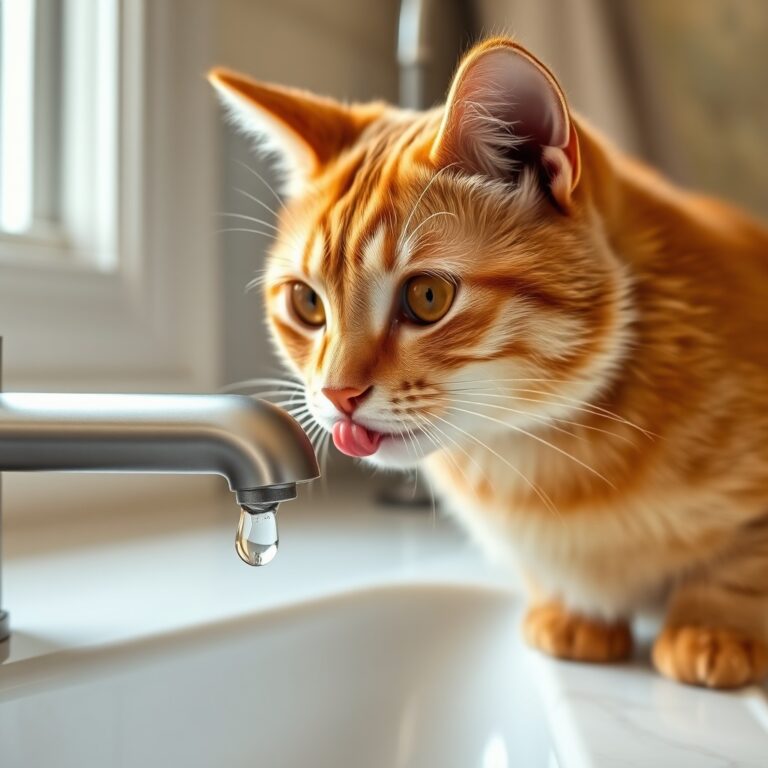

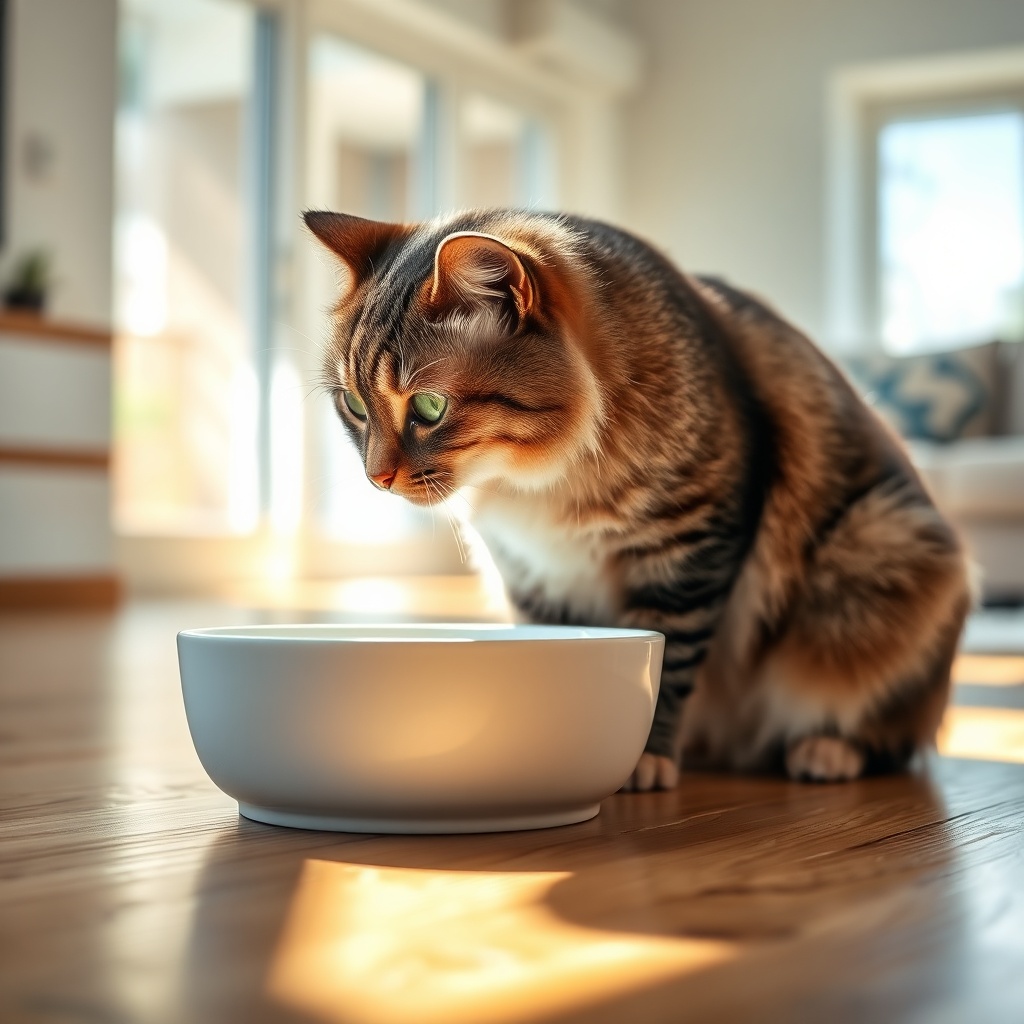
If you have ever watched your cat turn their nose up at a freshly filled water bowl only to sprint toward the bathroom for a sip from the dripping faucet, you are not alone. In the wild, drinking water right next to a fresh kill risks bacterial contamination, and that ancient survival instinct is still very much alive in your modern living room.
Yes, cats should absolutely have more than one water bowl. Feline behaviorists and veterinarians recommend the ‘N+1’ rule: providing at least one more water source than the number of cats in your home. This simple adjustment satisfies their natural instincts, reduces territorial stress, and significantly boosts their daily moisture intake to prevent chronic kidney disease and urinary tract issues.
The Evolutionary Science Behind Your Cat’s Drinking Habits
To understand why a single water station fails most domestic cats, we must look at their ancestry as desert dwellers. The African wildcat (Felis lybica) obtained the majority of its moisture directly from prey. When they did seek standing water, they actively avoided water sources near their hunting sites, as decomposing prey could easily contaminate the water.
For your cat today, this translates to a strong preference for keeping their dining area and hydration area completely separate. If their only water source sits right next to their kibble, they may perceive it as unsafe and refuse to drink, leading to chronic, low-level dehydration.
The ‘N+1’ Rule: How Many Bowls Do You Actually Need?
If you have one cat, you should ideally have two water bowls. For multi-cat households, the formula remains the same: the number of cats plus one extra water station.
In homes with multiple felines, resources are a constant source of unspoken tension. Even if your cats appear to get along perfectly, one dominant cat can silently block access to a single water bowl simply by resting nearby. By scattering multiple water stations throughout your home, you eliminate resource guarding, lower environmental stress, and ensure every cat has safe, uninterrupted access to fresh water.
Strategic Placement: Where to Put the Bowls
Where you place your cat’s water bowls is just as important as how many you provide. To maximize the chances of your cat actually using them, follow these strategic placement rules:
- Separate Food and Water: Keep water bowls at least three to five feet away from feeding stations.
- Avoid the Litter Box: Never place water bowls in the same room or near your cat’s litter box. Felines have an incredibly sensitive sense of smell and will refuse to drink water they perceive as contaminated.
- Choose Escape-Friendly Spots: Place bowls in areas where your cat has a clear 360-degree view of their surroundings. Avoid tight corners where another pet could sneak up on them.
- Multi-Level Access: If you live in a multi-story home, place at least one water bowl on every level so your cat does not have to travel far when the urge to hydrate strikes.
Pros and Cons of Multiple Water Stations
While establishing a multi-bowl setup is highly recommended, it is helpful to look at the practical daily realities of managing multiple hydration stations.
The Benefits
- Encourages Opportunistic Drinking: Cats are lazy drinkers. If they happen to walk past a water bowl while exploring, they are much more likely to take a quick sip.
- Reduces Medical Risks: Increased water intake dilutes urine, directly reducing the risk of painful Feline Lower Urinary Tract Diseases (FLUTD), bladder stones, and kidney stress.
- Peace in Multi-Pet Homes: Spreading out resources minimizes competition and territorial friction between cats and dogs.
The Drawbacks
- Higher Maintenance: More bowls mean more surface areas to wash. Water must be changed daily to prevent dust, hair, and bacteria buildup.
- Spill Potential: Active kittens or playful cats might treat unattended water bowls as toys, leading to wet floors in multiple rooms.
Choosing the Right Bowl Material
Not all water bowls are created equal. The material of the bowl can greatly influence whether your cat accepts it or rejects it:
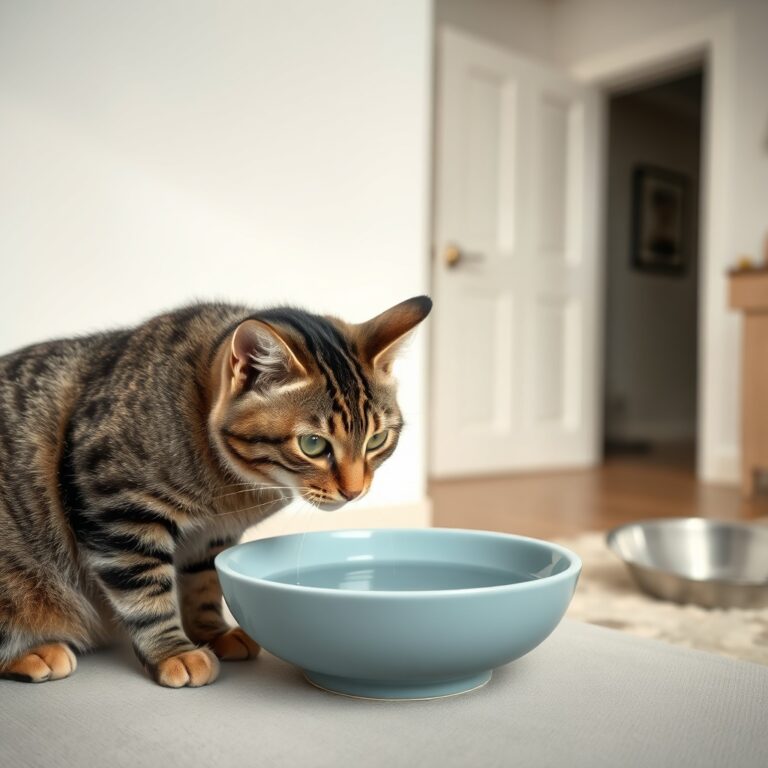
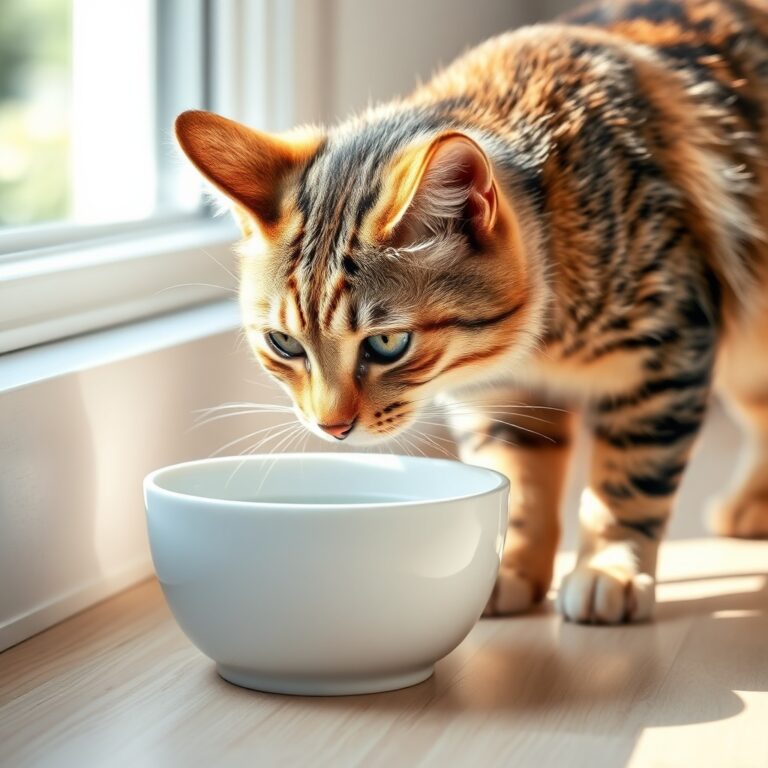
- Ceramic and Glass: These are the best options. They do not leach chemicals, are easy to sanitize, and keep the water naturally cool.
- Stainless Steel: Highly durable, hygienic, and easy to clean. However, some cats are startled by their own reflection or the clinking of their collar tags against the metal.
- Avoid Plastic: Plastic scratches easily. These microscopic scratches quickly become breeding grounds for bacteria, which can cause feline acne (black chin specks) and leave unpleasant odors that deter your cat from drinking.
Frequently Asked Questions
Should I get a cat water fountain instead of multiple bowls?
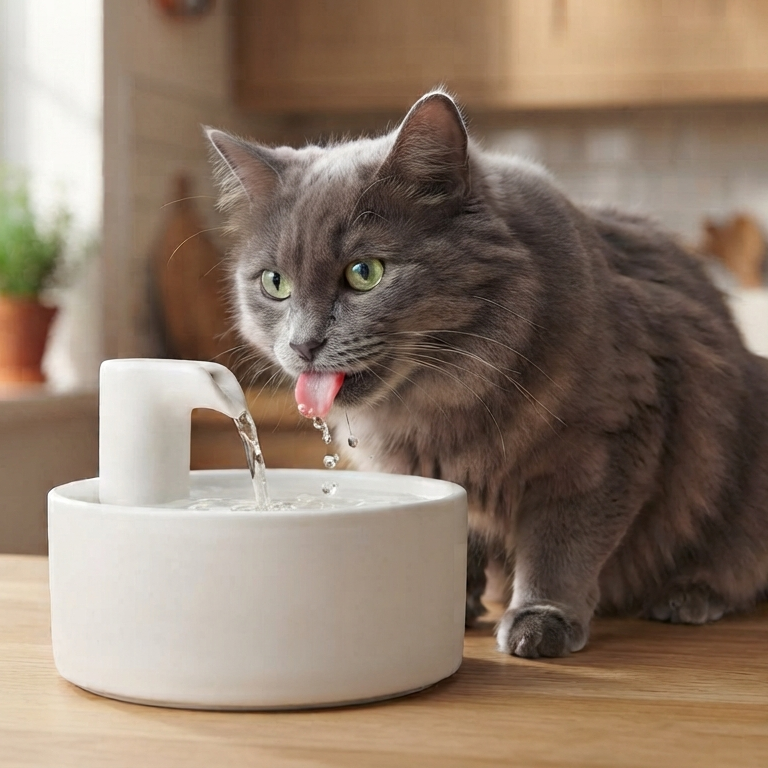
Many cats prefer running water because their instincts tell them moving water is fresher and safer. Combining one or two traditional ceramic bowls with a circulating pet water fountain is an excellent way to provide sensory variety and encourage healthy hydration habits.
How often should I clean and refill the water bowls?
You should rinse and refill each bowl daily with fresh, cold water. Additionally, wash the bowls thoroughly with mild soap and hot water at least twice a week to remove saliva buildup (known as biofilm), which can harbor harmful bacteria.
Why does my cat scratch the floor around the water bowl?
This is a natural instinctual behavior. In the wild, wildcats scratch the ground around their water source to clear away debris, cover up their scent so predators cannot track them, or ‘bury’ the water to keep it safe for later.