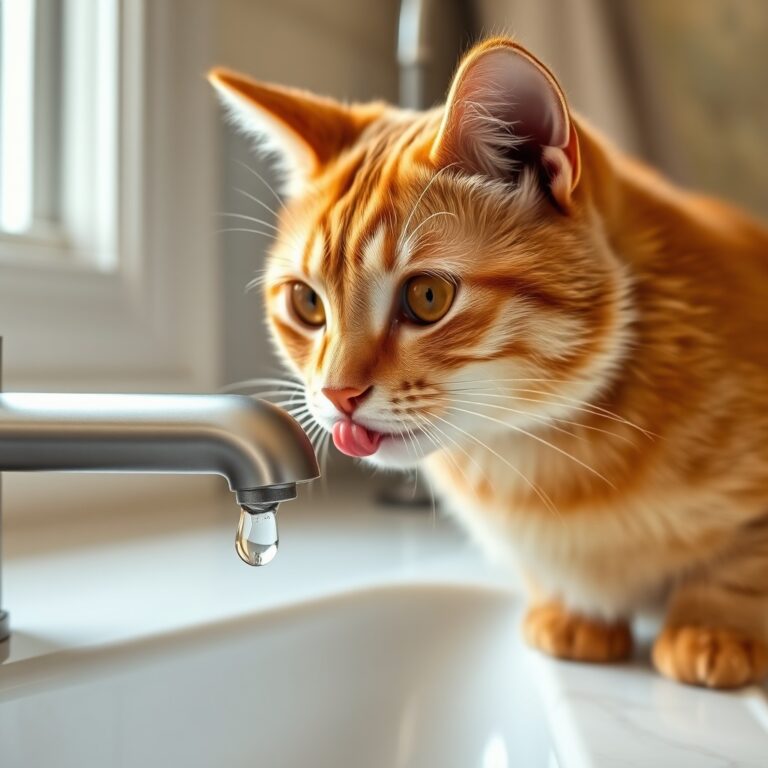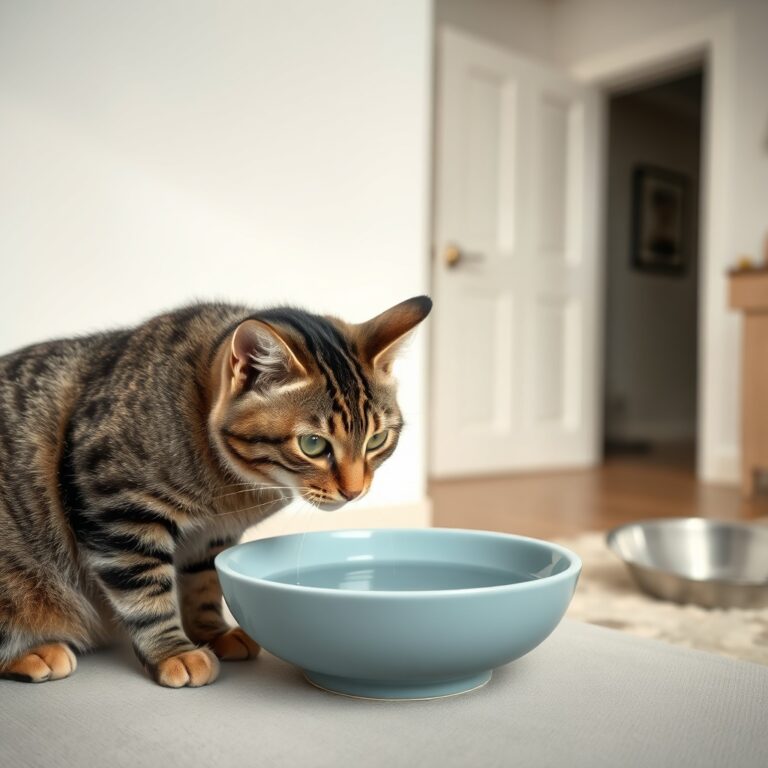

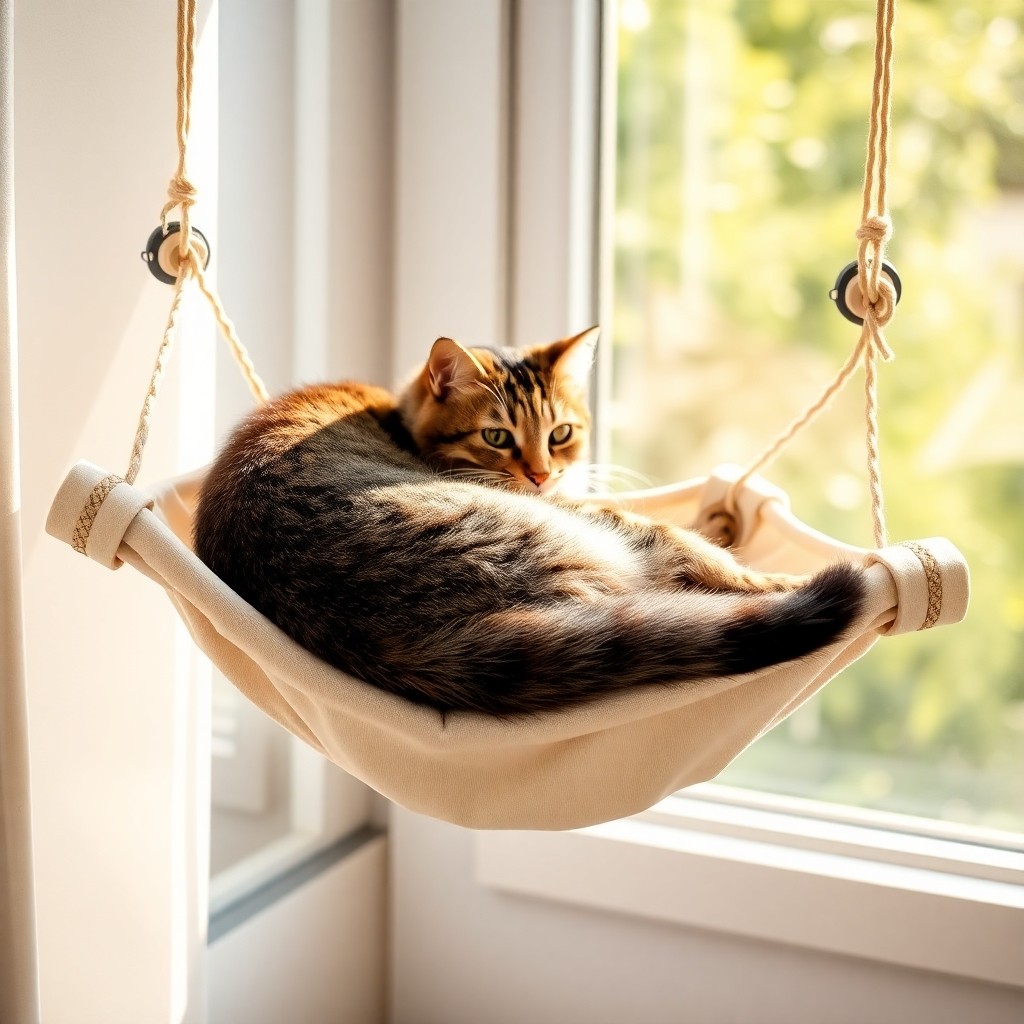
If you have ever watched your cat glue themselves to the living room glass for hours, you already know how fascinated they are by the outdoor world. Giving them a dedicated spot right at the window does much more than just offer a cozy place for an afternoon nap—it completely transforms a flat indoor space into an active, stimulating habitat that keeps boredom and anxiety at bay.
Do Indoor Cats Really Need a Window Perch?
Yes, indoor cats benefit immensely from a window perch. It serves as a vital tool for environmental enrichment, satisfying their instinctual needs for elevation, warmth, and visual stimulation (often called ‘Cat TV’) which helps reduce stress and prevent behavioral problems in confined spaces.
For owners, this means that providing a window perch is not merely about pampering your pet; it is about addressing their fundamental biological drives. Unlike dogs, cats navigate their world three-dimensionally, seeking out high vantage points to feel secure and monitor their territory.
The Behavioral Science Behind ‘Cat TV’ and Height
To understand why a window perch is so impactful, we must look at feline evolutionary biology. In the wild, wildcats climb trees to hunt, escape predators, and survey their surroundings. This hardwired instinct persists in our domesticated companions today.
- Territorial Surveillance: Elevated spots allow cats to observe their home and the outdoors without feeling vulnerable. This is especially crucial in multi-pet households, where vertical territory reduces conflict.
- Mental Stimulation: The outdoor world is a dynamic tapestry of shifting shadows, fluttering birds, passing cars, and insects. This visual input keeps a cat’s brain active, mimicking the cognitive engagement of a wild hunt.
- Thermoregulation: Cats have a higher baseline body temperature than humans. They actively seek out warm spots, and a window perch positioned in the path of direct sunlight provides the ultimate sunbathing platform.
Pros and Cons of Common Window Perch Types
Choosing the right setup depends on your home’s architecture and your cat’s size. Here is a breakdown of the most popular options available to pet parents:
Suction-Cup Window Hammocks
These perches use heavy-duty industrial suction cups to adhere directly to the glass pane, suspended by thin wire cables.
- Pros: Extremely space-saving; can be placed at any height; fabric covers are usually machine washable.
- Cons: Suction cups can degrade over time due to temperature fluctuations; not suitable for very heavy or active jumping cats.
Sill-Mounted Wooden Shelves
These sturdy platforms attach directly to the existing window sill, often supported by adjustable legs that brace against the wall.
- Pros: Highly stable and secure; can easily support heavy breeds like Maine Coons; no risk of suction cup failure.
- Cons: Requires a sturdy, deep window sill; may require minor drilling or clamping that could mark rental properties.
Freestanding Cat Trees by the Window
If you prefer not to attach anything to your windows or walls, placing a tall cat tree directly flush against a window is an excellent alternative.
- Pros: Zero installation on glass; combines scratching posts, climbing steps, and sleeping quarters in one unit.
- Cons: Takes up significant floor space; can block natural light in smaller rooms.
Essential Safety and Installation Checklist
Before installing a perch, safety must be your top priority. A falling perch can cause physical injury and psychologically traumatize your cat, making them fear the window area permanently.
1. Test the Glass Integrity
Never mount heavy-duty suction cups on double-paned windows that are old, cracked, or fragile. Ensure the glass is thoroughly cleaned with rubbing alcohol before applying suction cups to guarantee a vacuum seal.
2. Verify Weight Limits
Always choose a perch rated for at least double your cat’s actual weight. When a cat leaps onto a perch, the force applied is significantly higher than their static weight.
3. Secure Your Window Screens
If you plan to crack the window open to let your cat enjoy outdoor smells and fresh air, ensure your window screens are made of heavy-duty claw-resistant mesh and securely locked into the frame.
Frequently Asked Questions
Do cats need a window perch if they already have a cat tree?
While a cat tree provides excellent vertical space, it may not offer the direct, unobstructed view of the outdoors that a window perch provides. Combining both offers the ultimate enriched environment for an indoor feline.
How can I encourage my cat to use a new window perch?
Place a familiar, scent-marked blanket on the perch, sprinkle a small amount of organic catnip on the surface, or reward them with high-value treats whenever they explore the new platform voluntarily.
Are window perches safe for heavy cats?
Yes, but you should avoid suction-cup designs. Instead, opt for solid wood sill-mounted perches that screw into the window frame or use heavy-duty metal brackets for maximum weight capacity.