
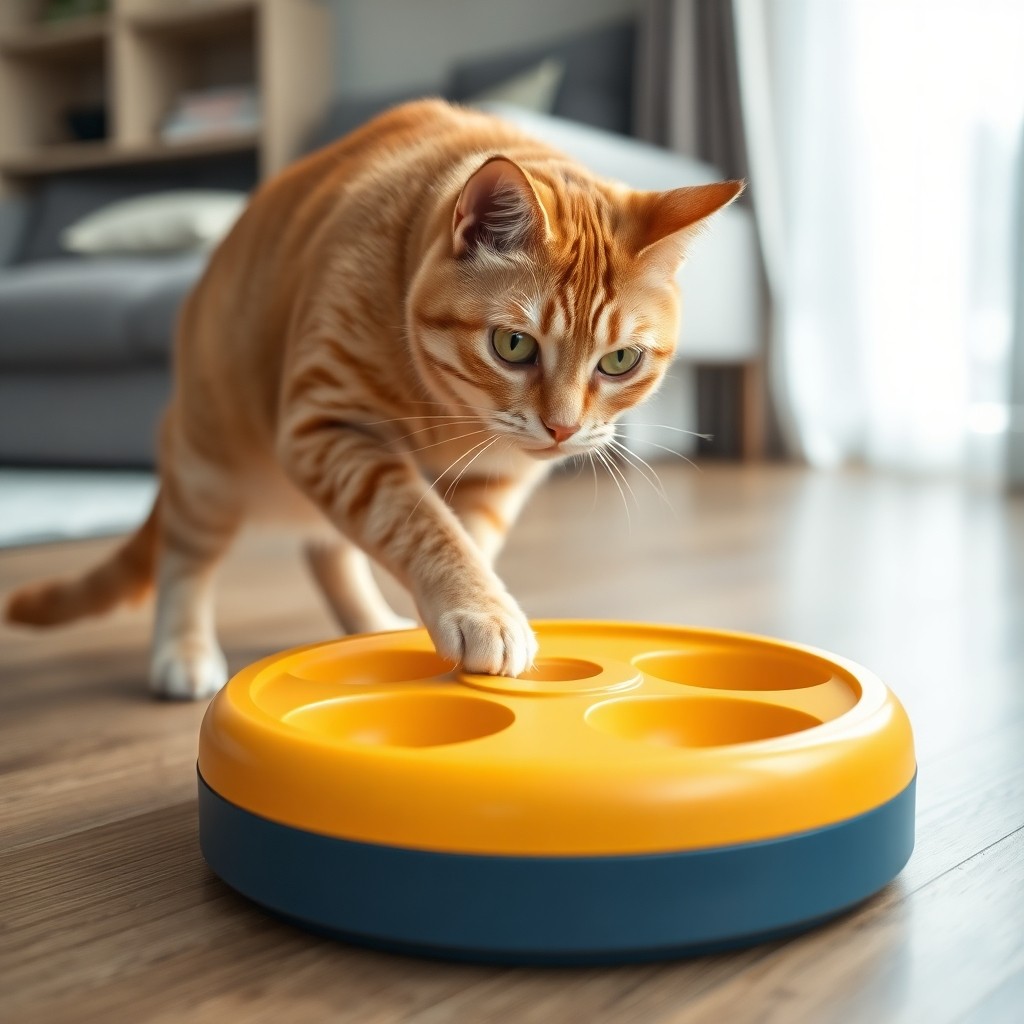
When the 3 a.m. meowing starts or the begging at the food bowl becomes relentless, the usual reflex is simply to pour a fresh scoop of kibble. But standard bowls strip away the natural challenge of the hunt, leaving indoor cats prone to boredom, rapid weight gain, and restless behavior. Puzzle feeders bridge this gap by transforming everyday meals into an engaging, instinct-driven challenge that satisfies both body and mind.
Yes, puzzle feeders are exceptionally good for indoor cats because they mimic natural hunting behaviors, prevent rapid eating (which causes vomiting), and provide critical mental stimulation that reduces stress and destructive behavior. By forcing cats to work for their food, these devices satisfy their innate predatory drive in a safe, controlled indoor environment.
The Behavioral Science Behind Feline Puzzle Feeders
In the wild, a cat’s day is dominated by the predatory cycle: stalk, pounce, kill, and eat. House cats still possess this deep-seated biological drive. When we present them with a static bowl of dry food, we eliminate the first three steps of the cycle. This lack of mental and physical exertion often manifests as anxiety, obsessive grooming, aggression, or depression.
Veterinary behaviorists note that ‘contrafreeloading’—the phenomenon where animals choose to work for food rather than eat freely available food—is highly active in felines. Working for their meals triggers dopamine release in a cat’s brain, providing a sense of accomplishment and natural satisfaction. This mental workout is just as exhausting and rewarding as physical play, making it a cornerstone of modern feline environmental enrichment.
Key Benefits of Puzzle Feeders for Indoor Cats
- Weight Management and Prevention of Obesity: Puzzle feeders slow down food consumption, allowing the cat’s brain to register satiety signals before they overeat. They also encourage physical movement during meals.
- Reduced ‘Scarf and Barf’ Episodes: Many cats eat too quickly and immediately vomit. Puzzle feeders restrict the volume of food swallowed at one time, dramatically improving digestion.
- Anxiety and Boredom Alleviation: Redirecting a cat’s focus onto a puzzle reduces frustration-fueled behaviors, such as scratching furniture, wall-climbing, or bullying other pets.
- Cognitive Preservation: Just like puzzles keep human brains sharp, food puzzles help maintain cognitive function in senior cats, delaying the onset of feline cognitive dysfunction.
Types of Feline Food Puzzles
Choosing the right feeder depends on your cat’s physical ability, frustration threshold, and whether they eat dry kibble or wet food.
Stationary Board Puzzles
These are flat boards featuring various cups, pegs, tunnels, and wells. Cats must use their paws to scoop, slide, or lift kibble out of the compartments. These are ideal for beginners and can often accommodate both dry food and small portions of wet food or treats.
Mobile and Rolling Feeders
These are egg-shaped, spherical, or cylindrical toys with adjustable holes. As the cat nudges, rolls, or kicks the toy across the floor, kibble falls out. These promote the highest level of physical exercise and simulate the chasing phase of the hunt.
Tactile and Licking Mats
Designed primarily for wet food, these textured silicone mats require the cat to lick food out of grooved patterns. This repetitive licking action releases calming hormones in the cat’s brain, making them excellent for highly anxious felines.
Step-by-Step Action Plan: How to Introduce a Puzzle Feeder
Forcing a cat to use a difficult puzzle overnight can cause extreme frustration and food refusal. Follow this gradual training plan to build your cat’s confidence.
Step 1: Start with Extreme Simplicity
Choose an easy, level-one stationary puzzle. Place highly enticing, smelly treats inside without hiding them. Let the cat see the treats. Do not restrict their normal food bowl yet. The goal is simply to help them associate the new object with high-value rewards.
Step 2: Increase the Difficulty Slightly
Once your cat easily eats the exposed treats, begin using their regular kibble. Hide a few pieces slightly deeper in the cups or adjust the rolling toy’s opening to its largest setting. The food should fall out with the slightest touch.
Step 3: Transition Away from the Standard Bowl
Gradually reduce the amount of food in the regular bowl while increasing the portion size inside the puzzle feeder. Within two weeks, your cat should receive at least half of their daily caloric intake through interactive feeding.
Step 4: Rotate and Challenge
Cats are highly intelligent and will eventually master any puzzle, reducing the cognitive benefit. Rotate between three or four different types of feeders weekly to keep the challenge fresh and engaging.
Common Mistakes to Avoid
- Starting with a puzzle that is too difficult: If a cat cannot figure out the puzzle within the first few minutes, they may walk away and reject it entirely.
- Ignoring cleanliness: Saliva and food oils build up quickly, attracting bacteria. Wash plastic and silicone puzzles daily with warm, unscented soapy water.
- Using them in multi-cat households without supervision: Resource guarding can occur. If you have multiple cats, place puzzles in separate rooms to prevent dominant cats from stealing food or intimidating others.
- Forgetting to account for calories: Treats used during the training phase must be deducted from your cat’s daily caloric budget to prevent unwanted weight gain.
Frequently Asked Questions
Can kittens use puzzle feeders?
Yes, kittens can begin using simple puzzle feeders as soon as they transition to solid food. Starting early builds excellent cognitive habits and prevents rapid-eating patterns from developing in adulthood.
What should I do if my cat refuses to use the puzzle?
If your cat gives up, the puzzle is likely too difficult or the food inside is not enticing enough. Go back to step one: use a simpler toy, fill it to the brim so food falls out effortlessly, and mix in highly fragrant treats like freeze-dried chicken.
Are puzzle feeders safe to leave unsupervised?
Most commercial plastic and silicone puzzle feeders are safe for unsupervised use. However, always inspect the toys regularly for cracked plastic, loose parts, or chewed edges that could pose a choking hazard.